
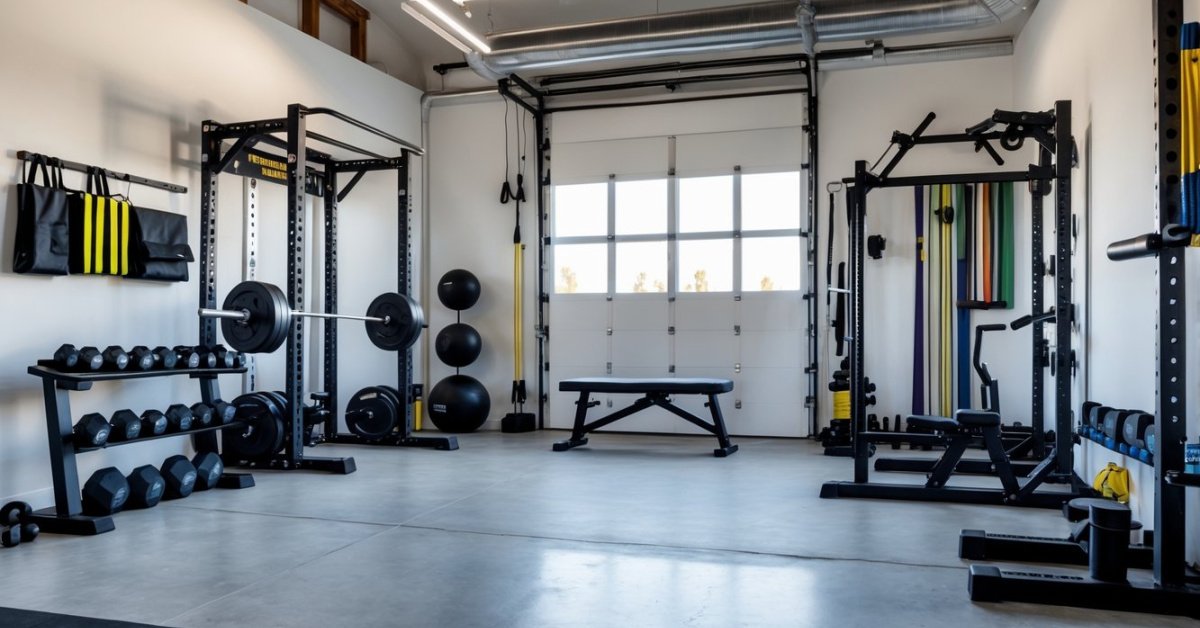
Every time I walk into my garage and see bikes leaning against the wall or tangled up with garden tools I know there has to be a better way. Bikes are great for getting around but they can quickly turn any garage into a cluttered mess. I’ve spent way too much time untangling handlebars and trying not to trip over pedals.
That’s when I started looking into overhead bike storage solutions. Lifting bikes off the ground not only frees up precious floor space but also keeps everything a bit more organized. If you’re tired of the chaos and want your garage to feel bigger and tidier you’re in the right place.
Why Choose Overhead Bike Storage Solutions for Garages
Overhead bike storage removes clutter from garage floors, letting me reclaim usable square footage instantly. By shifting bikes above head height, I can work or store other gear below, like lawn equipment, tool chests, or bins.
Lifting bikes overhead prevents damage, since bikes no longer lean against each other or other objects. I’ve found that mounted hooks and pulley systems, like RAD Cycle hoists and Gladiator GearTrack, keep frames and wheels untouched and protected from scratches.
Installing overhead systems creates a visual difference, making garages feel more open. Clients mention their garages feel twice as large once bikes sit suspended and walls appear unobstructed.
Lockable overhead storage improves security. Models with locking mechanisms, such as Koova ceiling racks or Steadyrack overhead rails, deter opportunistic theft if a garage is accessed.
Flexible ceiling racks maximize adaptability for families. Adjustable arms and customizable layouts let me accommodate adult and kids’ bikes, cargo bikes, or even e-bikes within the same ceiling track system.
Using overhead storage means I optimize airspace—an area often forgotten in home garages. Every vertical inch counts when I design garages for versatile use, whether for home gyms, workbenches, or seasonal storage rotation.
Types of Overhead Bike Storage Solutions
Overhead bike storage transforms underused ceiling space into functional zones for bike organization. I use several main types in my garage conversion projects for homeowners aiming to maximize usable garage square footage.
Pulley Systems
Pulley systems let me lift bikes vertically by attaching ropes to ceiling-mounted brackets. I recommend these when my clients have heavier bikes or limited wall access. Products like the RAD Cycle Products Hoist use mechanical advantage to raise up to 100 pounds, so single users can store even adult mountain bikes or e-bikes with little effort. I install pulley sets above parked cars, ensuring the bikes hang over the hood or trunk instead of the walking path.
Ceiling-Mounted Racks
Ceiling-mounted racks provide fixed rails or hooks that suspend bikes horizontally from joists. I choose these racks, such as Gladiator GearTrack and Koova ceiling rails, for families with multiple bikes since they hold 2-6 bikes securely. These solutions keep handlebars away from each other, cutting scratches and frame damage. I organize bikes in parallel rows to keep aisles open below and optimize ceiling height clearance for vehicles or garage doors.
Motorized Hoists
Motorized hoists automate bike lifting and lowering with a wall-mounted switch or remote control. I use these for clients with limited upper body strength, high ceilings (over 10 feet), or premium e-bike storage. Systems like Garage Gator lift up to 220 pounds, making them useful for storing multiple heavy bikes. I always plan wiring to meet code and design hoist placements based on headroom and traffic patterns, so bikes never become an obstacle.
Key Factors to Consider When Selecting an Overhead Solution
Selecting the right overhead bike storage keeps garages organized, safe, and easy to use. I recommend focusing on the three main criteria below to maximize storage and protect your investment.
Garage Ceiling Height and Space
Ceiling height sets the stage for overhead bike storage. For example, a standard 8-foot garage ceiling can fit most pulley or rack systems, but spaces under 7 feet may limit options or bike sizes. I always measure from floor to ceiling, then check for garage doors, lights, or attic access that could block overhead solutions. Wide garages offer more flexibility for multi-bike racks like the Gladiator GearTrack, while narrow bays might only allow for single pulleys or rails.
Weight Capacity and Durability
Weight capacity matters to ensure racks or pulleys hold the load safely. Heavier bikes—like electric or mountain models—average 45-70 lbs, so I check each product’s specs. For example, the RAD Cycle hoist supports up to 100 lbs per unit, and the Koova ceiling rack covers most household bikes. I only use hardware and ceiling mounts rated for at least 25% more than the heaviest bike to prevent sagging. Corrosion-resistant, powder-coated steel and reinforced brackets last longest in fluctuating garage temperatures.
Ease of Installation and Use
Ease of installation shapes every project’s success. Pulley systems with color-coded ropes, like RAD’s, speed up mounting when I’m tight on time. Modular racks—such as Steadyrack or Gladiator—let me adjust hook spacing for different frame styles without much effort. I always look for features like integrated safety locks, low-friction pulleys, or wireless remote controls if owners want to avoid climbing ladders. For DIY projects, clear manufacturer guides and templates save hours. If a client isn’t confident using a ladder or drill, I always suggest professional installation to keep bikes stable and overhead storage safe.
Top Overhead Bike Storage Solutions Reviewed
I’ve tested dozens of overhead bike storage products in DIY and full-service garage conversions. My clients often want to protect their investments and gain back every inch of floor space. By lifting bikes overhead, I’ve unlocked entire corners of garages for workbenches and gym equipment. Here’s how the leading solutions stack up for heavy bikes, budget buyers, and large families or collectors.
Best for Heavy Bikes
When I need to lift e-bikes or mountain bikes weighing 45-70 lbs, I choose the RAD Cycle Products Heavy Duty Bike Hoist. Its steel hooks and 100-pound weight rating hold almost any bike confidently. The locking pulley prevents accidental drops, making it safer for families. In garages with tall ceilings over 9 feet, I’ve found the 12-foot rope more than enough. For bikes with wider handlebars, the adjustable spacing on the hooks fits everything from cruisers to fat-tire models.
Best Budget Option
For clients who want affordable storage without sacrificing reliability, the StoreYourBoard Ceiling Mount Bike Pulley stands out. I’ve installed dozens of these for bikes up to 50 lbs, from kids’ BMX bikes to vintage cruisers. Its basic design uses nylon cords and powder-coated steel hooks, making it ideal in garages with ceilings between 8-10 feet. Most installations take less than 30 minutes with standard tools, and the included mounting hardware supports joists or beams directly.
Best for Multiple Bikes
Garage conversions for families or cycling enthusiasts often need storage for three or more bikes. The Monkey Bars Overhead 3-Bike Rack is my go-to for these projects. Its steel rail mounts directly to the ceiling joists, supporting up to 150 lbs total. I’ve configured these racks in tandem for six or more bikes in one bay, keeping spaces organized and damage-free. Sliding hooks let users adjust spacing for adult and kids’ bikes, and powder-coated finishes resist corrosion in humid garages.
| Product Name | Best For | Weight Capacity | Max Bikes | Ceiling Height Range | Notable Feature |
|---|---|---|---|---|---|
| RAD Cycle Products Heavy Duty Bike Hoist | Heavy Bikes | 100 lbs | 1 | Up to 12 ft | Locking safety pulley |
| StoreYourBoard Ceiling Mount Bike Pulley | Budget Option | 50 lbs | 1 | 8-10 ft | Quick DIY installation |
| Monkey Bars Overhead 3-Bike Rack | Multiple Bikes | 150 lbs | 3 | 8-12 ft | Adjustable sliding hooks |
Tips for Safe and Effective Use
I always prioritize safety and performance with overhead bike storage solutions in any garage project.
- Inspect mounting points before installation to confirm ceiling joists or beams can handle the load—unsupported drywall won’t support overhead racks.
- Distribute bike weight evenly across multiple hooks or rails, especially for systems like Monkey Bars or GearTrack. This prevents sagging and maximizes hardware lifespan.
- Use locking mechanisms on pulley hoists, such as those on the RAD Cycle or StoreYourBoard models, to secure bikes in the raised position, reducing risk of accidental drops.
- Check cable and strap conditions before every use. Frayed lines or loose fasteners compromise both safety and the rack’s load rating.
- Maintain clear lift and lowering zones under racks, keeping pathways free of obstructions like tool chests or boxes, to prevent collisions or trip hazards.
- Follow manufacturer limits for bike weight and size closely—don’t exceed the labeled maximum to avoid hardware failure.
- Lower bikes slowly and steadily, using controlled movements rather than quick releases or jerking, which can unbalance the system.
- Store helmets, pumps, and bike accessories separately from the overhead racks. Avoid hanging non-bike items from the same hardware to preserve balance and function of the storage solution.
My clients consistently tell me that applying these best practices creates a safer and more streamlined garage environment, while preserving both bike condition and household workflow.
Conclusion
After transforming my own garage with overhead bike storage I can honestly say it’s made a world of difference. My bikes are now out of the way yet always easy to access and the space feels bigger and more organized than ever.
If you’re tired of tripping over tangled bikes or struggling to find a spot for your gear I highly recommend looking up—literally. The right overhead solution can turn a cluttered garage into a functional and inviting space for the whole family.


