
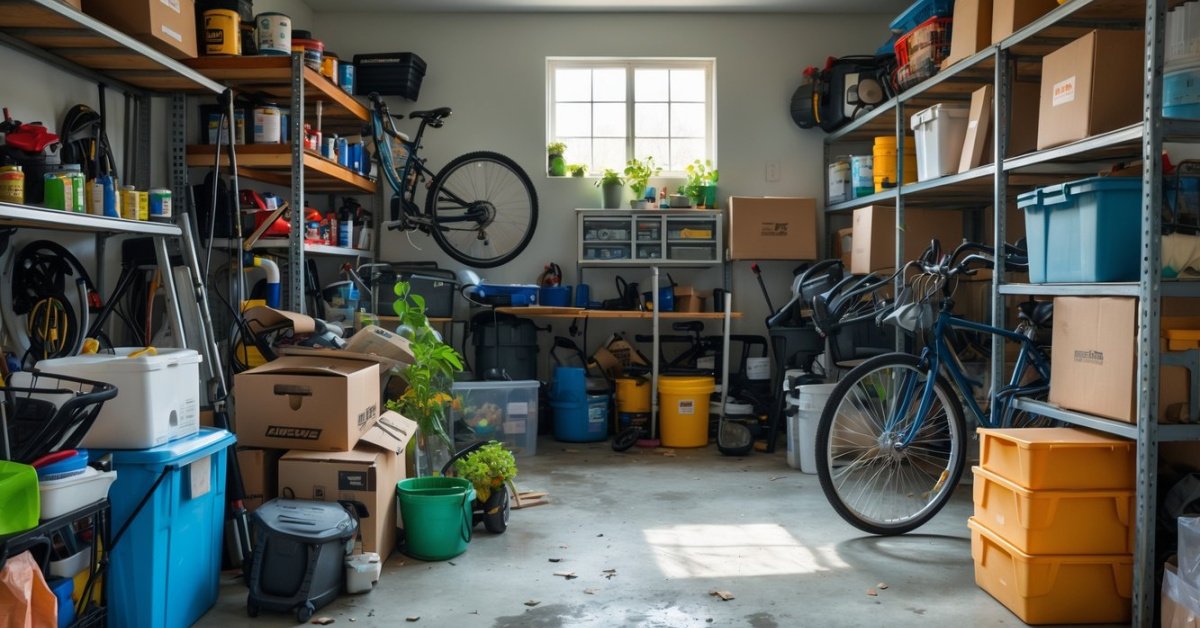
I’ve always believed that a great workshop doesn’t need a ton of square footage—it just needs smart planning. If you’re like me and your garage feels more like a closet than a workspace, you know the struggle of trying to fit all your tools and projects into tight quarters.
I’ve learned that with a little creativity and the right layout, even the smallest garages can become efficient, inspiring workshops. Whether you’re a weekend tinkerer or a DIY enthusiast, making every inch count can turn your cramped space into a hub for creativity and productivity. Let me share some ideas that have worked for me and might just help you transform your own garage.
Key Factors to Consider for Small Garage Workshop Layouts
Efficient Layout Planning
I always start by mapping out each zone to make sure every square foot gets used efficiently. Work areas, storage, and tool access all line up so nothing blocks movement or workflow in tight garage footprints.
Vertical Space Utilization
Tall shelves, wall-mounted racks, and pegboards boost storage without spreading out. I prefer mounting ladders, power tools, and bins upward to free up valuable floor space.
Multipurpose Work Surfaces
Fold-down benches, rolling carts, and stackable tables help create flexible zones. I design surfaces that switch quickly between woodworking, mechanical, and hobby projects.
Smart Storage Solutions
Mobile cabinets, labeled drawers, and modular bins sort supplies for easy grabbing. I incorporate tool chests on wheels, wall rails for clamps, and magnetic strips for hand tools.
Lighting and Electrical Planning
Bright LED overheads, under-shelf strips, and task lamps target shadowy corners. Outlets, surge-protected strips, and retractable cords make sure I never trip over tangled wires.
Ventilation and Safety
High-flow fans, vented windows, and dust collection units keep air clear during woodworking or painting. Storage for flammable materials always stays far from electrical panels and heat sources.
Access and Traffic Flow
Clear paths to garage doors and entrances beat clutter and accidents. I plan wide aisles for project movement, even in tight one-car garages of about 200 square feet.
Custom Fit for Owner Needs
Every client uses their garage differently, so I ask about their tools, hobbies, and vehicle parking needs. Layouts evolve around those priorities—sometimes parking takes a back seat to creativity.
Space-Saving Layout Ideas
Small garage spaces become far more efficient with targeted layout strategies. I use specific techniques to increase both functionality and comfort for homeowners who want more from their garage workshops.
Wall-Mounted Storage Solutions
Wall-mounted storage increases usable floor space in compact garages. I install adjustable shelving tracks, sturdy pegboards, and vertical racks to secure hand tools, paint cans, and gardening supplies. Magnetic strips hold metal tools within easy reach. Ceiling-mounted racks add overhead zones for rarely used items like seasonal bins or backup lumber. Organizing heavy-duty bins by task keeps projects streamlined and work areas clutter-free.
Foldable and Mobile Workbenches
Foldable and mobile workbenches offer maximum flexibility in tight garages. I build wall-hinged workbenches that fold up after use, opening floor space for vehicles or other activities. Heavy-duty locking casters let mobile benches roll to the center during projects and tuck away when not in use. Some clients request utility carts with stowable vices and built-in tool cradles to support every step of the workflow without needing extra floor real estate.
Vertical Tool Organization
Vertical tool organization elevates both storage and accessibility. I mount slotted panels for hanging large power tools like jigsaws, circular saws, and sanders. Multi-level hooks, pocket systems, and magnetic holders group fasteners, clamps, and measuring tools, all in dedicated zones. Ladder-style racks keep extension cords, hoses, and lumber off the floor, preventing tangles and preserving workspace. With these systems, every tool gets a visible, reachable spot—even in the smallest garage footprint.
Zoning Your Small Workshop for Maximum Efficiency
Every inch in a small garage counts, so I break the space into dedicated zones that match the way you work. Deliberate zoning prevents workflow bottlenecks and keeps clutter from building up.
Work Zones for Different Tasks
Distinct work zones support common activities such as assembly, cutting, finishing, and storage. I set up a primary workbench near natural light, then group related tasks closely so you can transition quickly between operations. For example, I cluster sanding and painting supplies near ventilation and place power tool stations on rolling carts to move as projects demand. Vertical shelves between zones hold only task-specific items, streamlining reach so you don’t lose focus or waste time searching.
Safe and Accessible Tool Placement
Smart tool placement ensures safety and accessibility. I hang frequently used hand tools on wall-mounted pegboards right above the workbench, using outlines for fast returns. Less-used tools go on higher shelves or mobile racks along outer walls. Heavier power tools get stored at waist height to reduce strain when lifting. I avoid placing power cords or tool racks near doorways to prevent tripping. If tools require lockable storage, I install cabinets with clear labeling so everything stays secure but easy to find.
Essential Tips for Maintaining an Organized Workshop
I keep small garage workshops functional and stress-free by focusing on careful maintenance routines and smart upgrades. Order brings freedom, so I rely on strict decluttering, regular upkeep, and the right comfort-enhancing features.
Decluttering and Regular Maintenance
I schedule quick cleanups at the end of each day to keep surfaces and storage zones clear. I sort hand tools, fasteners, and materials into labeled bins or drawers every week, cycling out anything unused for more than six months—examples include old paint cans and duplicate wrenches. I wipe down benches monthly and check for dust buildup on vents, fans, and outlets. I make it a point to deep-clean every quarter to prevent clutter creep, separating anything for donation or recycling. This routine creates room for new ideas and projects, especially in small garage spaces often crowded by ongoing repairs and hobbies.
Smart Lighting and Ventilation Choices
I mount bright LED strips and adjustable task lights at workbenches for direct, shadow-free illumination. I pick daylight-adjusted bulbs to boost visibility and reduce eye strain, especially when the garage lacks windows. I add under-shelf lighting for hard-to-reach drawers and install motion sensors to save energy. Proper airflow matters for safety, so I install vent fans or window exhausts near sanding and painting areas, and use compact air cleaners for dust control if bigger ventilation projects aren’t possible. Weather-sealing garage doors and using oscillating fans help keep the workspace comfortable year-round, maximizing both focus and safety in tight layouts.
Conclusion
Creating a garage workshop in a small space has always inspired me to think outside the box. With a little imagination and some thoughtful planning, even the tiniest garage can become a productive and enjoyable place to work.
I love seeing how small changes—like smarter storage or better lighting—make such a big difference. Every workshop is unique, so don’t be afraid to experiment and adjust your layout as your needs evolve. Your perfect setup is closer than you think.


