
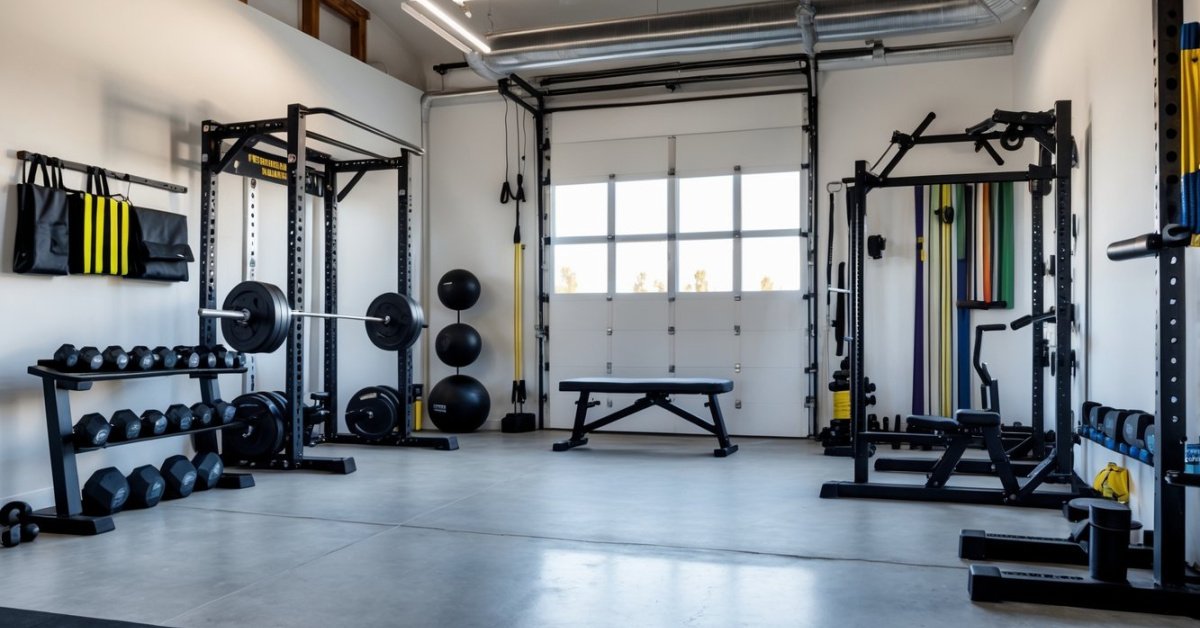
Every time I step into my garage workshop I want to see every detail of my projects without squinting or guessing. Good lighting doesn’t just make things easier—it keeps me safer and helps me work more precisely. Whether I’m tinkering with tools or tackling a big DIY project I’ve learned that the right lights can completely transform the space.
Finding the best lighting for a garage workshop isn’t just about picking the brightest bulbs. It’s about creating a setup that fits my space and the way I work. Let me share what I’ve discovered about making any garage workshop shine.
Why Proper Lighting Matters in a Garage Workshop
Proper lighting transforms a garage workshop into a more productive, comfortable space. Bright, even lighting maximizes visibility so I can see every tool, fastener, and workpiece clearly, even in windowless or cluttered garages. Balanced illumination minimizes sharp shadows, making precise cuts, measurements, and assembly much easier. Detailed tasks like woodworking or electronics need direct task lighting right at the work surface to reveal fine details, reducing eye strain after hours of work.
Safe movement in a workshop depends on strong general lighting. I eliminate dark corners and blind spots to prevent trips, slips, or accidental contact with sharp tools. Proper color rendering, measured by CRI (Color Rendering Index), means paints, stains, and electrical wires show their true colors—important for repairs or custom finishes. Energy-efficient lighting, like LEDs, cuts down on electricity bills and produces less heat. When I plan a lighting upgrade, I aim for layered lighting that adapts to different projects, seasons, and garage layouts.
Flexible fixtures let me adjust and refocus beams as project needs change. Portable LED work lights and suspended shop lights give me the freedom to reconfigure the garage as storage or working conditions shift. Smart lighting controls, such as motion sensors or dimmers, help me optimize light use and energy savings without sacrificing performance. Proper lighting isn’t just a finishing touch—it drives the entire function and flow of an optimized garage workspace.
Key Factors to Consider When Choosing Workshop Lighting
Lighting design in a garage workshop directly impacts workflow, safety, and space usability. I always focus on these critical lighting factors during every garage optimization project.
Brightness and Lumens
Adequate brightness in a garage workshop requires high-lumen output. I target at least 100 lumens per square foot for bench areas and 50 lumens per square foot for open zones. Fixtures like 4,000-lumen LED panels produce even coverage and reduce shadows in woodworking and auto repair spaces. For example, replacing two dim bulbs with four 4,800-lumen LED strips transformed a 2-car garage into a consistent, shadow-free work area for one client.
Color Temperature
Proper color temperature enhances visibility and task accuracy. I specify 4,000K to 5,000K “cool white” or “daylight” ratings for garage workshops, since this range closely resembles daylight and improves detail distinction on tools, finishes, and materials. In paint touch-up or small parts repair, this spectrum reduces eye strain and reveals truer colors compared with yellow-toned lighting.
Energy Efficiency
Selecting energy-efficient lighting options lowers ongoing costs and supports sustainability. I recommend integrated LED fixtures with ENERGY STAR ratings, since these use at least 75% less energy and last 25x longer than incandescent bulbs. For example, I installed motion-sensor LED shop lights in a 400-square-foot workspace—cutting the owner’s annual lighting bill by over 60% while maintaining full output.
Installation and Placement
Effective light installation requires strategic placement for full coverage and adaptability. I mount LED panels or strip lights parallel to main workbenches and stagger fixtures down the center of the ceiling, which eliminates shadow pockets. Installing task lighting—like articulating arm lamps above tool stations—ensures owners can adjust focus lighting for detailed tasks. In a recent project, I positioned plug-in under-cabinet LEDs along storage shelves, making fasteners easy to find and freeing overhead fixtures to illuminate large floor zones.
Types of Lighting for Garage Workshops
Selecting the best lighting type for garage workshops transforms any project area into a precise, inviting workspace. I focus on layered lighting plans that match the variety of tasks a home garage owner might face. Each lighting type plays a critical role.
Overhead Fixtures
Overhead fixtures deliver general illumination across a garage. I recommend flush-mount LED panels or high-output shop lights for their even distribution and efficiency. In garages with ceilings above 8 ft, I install linear LED fixtures for wide-area brightness. This approach reduces dark spots and supports everything from auto repairs to storage organization.
Task Lighting
Task lighting improves visibility for fine work on benches or at machinery. I mount adjustable LED arm lamps or clamp lights directly above workstations. I choose color temperatures of 4,000K–5,000K for true-to-life color accuracy. These placements ensure tool use or assembly tasks happen with fewer shadows and less eye strain.
Portable Work Lights
Portable work lights provide flexibility that fixed fixtures can’t. I keep rechargeable LED floodlights or corded work lamps ready for vehicle undersides or mobile repairs. I choose units with magnetic bases or hanging hooks for hands-free control so clients always have direct light wherever work moves.
Under-Cabinet and Strip Lighting
Under-cabinet and strip lighting add targeted light to counters, wall storage, or cabinets. I install LED strips beneath shelves and inside tool storage for shadow-free access to parts and tools. This solution keeps every small item visible, which prevents errors during material selection or assembly.
Top Recommended Lighting Options for Garage Workshops
Optimal lighting setups unlock the true potential of any garage workshop. My top recommendations cover the latest solutions for clear visibility, efficiency, and enhanced task performance.
LED Shop Lights
LED shop lights deliver strong, consistent illumination that’s ideal for most garage workshops. I install integrated LED panels and linear fixtures because they offer up to 120 lumens per watt, lasting over 50,000 hours—much longer than traditional bulbs. Cool color temperatures between 4,000K and 5,000K help me minimize eye strain, while the high Color Rendering Index (CRI 80+ on most top brands) accurately displays colors for paint, hardware, and wiring. LEDs also use less energy, so I see a significant drop in utility bills for clients.
Fluorescent Fixtures
Fluorescent fixtures remain common for budget-friendly overhead lighting in many garages. I recommend T8 and T5 fluorescent tubes for users who want widespread coverage and decent brightness at a lower upfront cost. These tubes reach about 80–100 lumens per watt and work well in larger spaces, but fluorescent options flicker more in cold conditions, show lower CRI values (usually below 80), and require more maintenance compared to LEDs. I tend to use them in spaces that already have compatible wiring or as an interim solution before upgrading.
Smart Lighting Solutions
Smart lighting solutions introduce new levels of flexibility and customization in garage spaces. I configure Wi-Fi or Bluetooth-enabled LED fixtures for voice or app control, letting users quickly adjust brightness and color temperature for each project. Motion sensors or smart timers ensure lights only run when needed, boosting energy savings. With segmented control zones, I set up lighting to shift between full-coverage general illumination for cleaning and focused task lighting when working at specific benches or tool stations. This adaptability supports creative use of the garage for both hobbyists and DIY enthusiasts.
Tips for Optimizing Your Garage Workshop Lighting
Upgrade existing fixtures
I always recommend replacing dated fluorescent tubes with high-CRI LED fixtures, since these provide better color accuracy and up to 60% higher efficiency. In garages with old fixtures, I find that retrofitting LED shop lights instantly boosts brightness and reduces maintenance.
Layer lighting zones
I plan general, task, and accent lighting when I convert a garage. Overhead LED panels give broad illumination, adjustable task lights over benches increase precision, and strip lights under shelves target storage areas. Dividing lighting into zones lets me tailor brightness to every activity.
Choose adjustable fixtures
I select lighting with adjustable arms or heads for benches and project areas, since being able to angle light onto detailed projects, like wiring or woodwork, eliminates shadows and eye strain. For flexible workstations, I prefer clamp-on or magnetic LED lamps.
Add controls and automation
I install dimmers and motion sensors to fine-tune lighting. Clients often want lights that turn on automatically when they enter with hands full, or dim for evening work. I use smart plugs and Wi-Fi-enabled bulbs for lighting scenes controlled by app or voice commands.
Consider wall and ceiling color
I’ve seen light-colored walls and ceilings amplify available lumens by up to 25%. When I repaint garage interiors with bright white or light gray, it reduces shadows and makes every fixture more effective.
Eliminate glare and hotspots
I like using diffused LED fixtures and frosted lens tube lights to provide soft, uniform coverage. In garages with shiny floors or metals, diffusers help prevent glare that can make projects uncomfortable.
Maximize energy savings
I select ENERGY STAR–rated LEDs and encourage clients to switch off zones not in use. In larger garages, I break up lights into independently controlled areas to save energy while ensuring full visibility where it counts.
Regularly clean and maintain
I clean lenses and dust fixtures quarterly, since dirty bulbs reduce output by 20% or more. I also check for damaged wiring or flickering LEDs, replacing parts promptly to keep everything reliable and bright.
Conclusion
When I upgraded my own garage workshop lighting I was amazed at the difference it made in both comfort and productivity. The right setup really does turn a dark cluttered space into an inspiring place to work. With a bit of planning and the right fixtures it’s easy to create a bright safe and efficient workshop that suits any project.
If you’re ready to take your workspace to the next level don’t overlook the power of great lighting. Your eyes—and your projects—will thank you every time you flip the switch.


