
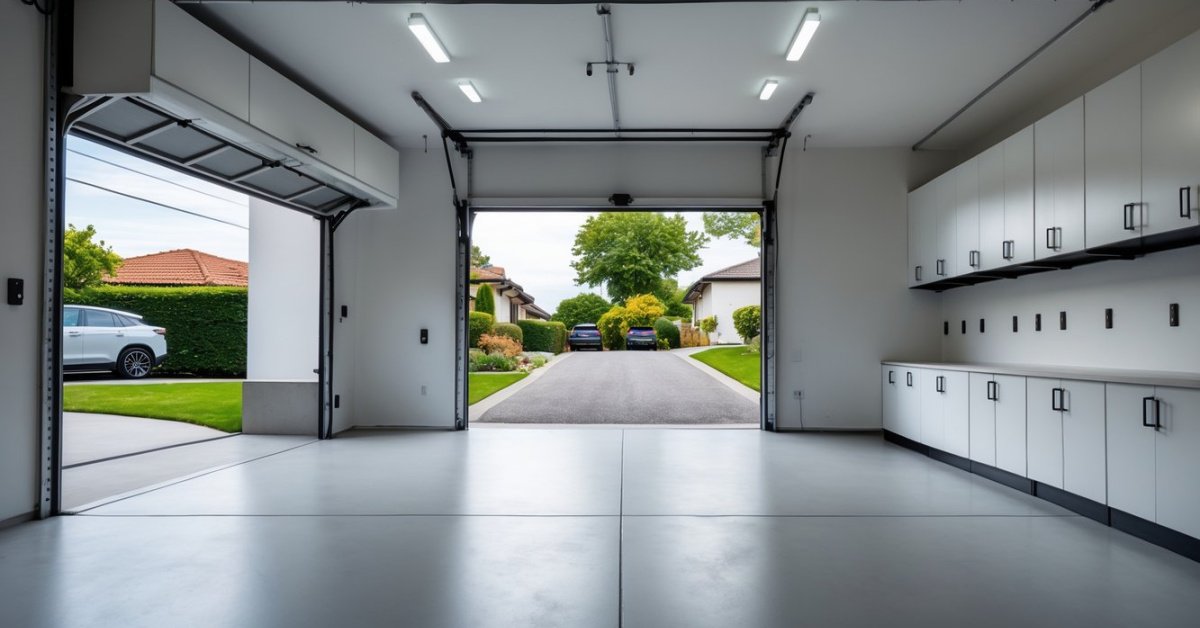
Whenever I’m working in my garage workshop I notice how quickly the air can get stuffy. Sawdust lingers paint fumes build up and before I know it I’m opening the door just to catch a breath of fresh air. A comfortable workspace isn’t just about having the right tools—it’s also about keeping the air clean and safe.
Finding the right ventilation solution makes all the difference. Whether I’m tackling a big project or just doing some quick repairs I want to know I’m breathing easy. Let’s explore some practical ways to keep garage workshops fresh and healthy so every project feels a little more enjoyable.
Importance of Proper Ventilation in Garage Workshops
Proper ventilation in garage workshops supports cleaner, safer air by filtering out dust, fumes, and airborne particles from tools and materials. When I design solutions for clients, I prioritize airflow because enclosed spaces like garages often trap contaminants, especially during sanding, painting, or using solvents.
Adequate airflow maintains comfortable temperatures and humidity, which reduces the risk of tool corrosion, material deformation, and mold growth. Respiratory health stays protected as constant air exchange limits exposure to allergens and harmful chemicals, according to the Centers for Disease Control and Prevention (CDC).
Consistent ventilation also extends the life of equipment. Fans, air exchangers, or filtered intake systems prevent buildup on tool surfaces and around storage areas. Homeowners who want to convert garages for multi-purpose use, such as hobby rooms or gyms, benefit from fresh air circulation, making the space more versatile and enjoyable for family activities.
Project outcomes depend on air quality consistency, since finishes like paints or stains cure best with proper airflow. Noise and odors get reduced by venting systems, which makes working more pleasant and inviting for extended sessions.
Common Ventilation Challenges in Garage Workshops
Limited airflow affects garage workshops, especially older residential garages with minimal or no built-in vents. I see many converted spaces where single-pane windows or gaps in the garage door don’t bring in enough fresh air, leading to trapped dust and fumes.
Accumulated contaminants build up quickly during woodworking, painting, or engine work—activities that release particles and gases. Particle size varies by material; for example, sanding MDF produces finer dust than hardwood. Without proper exhaust, these particles settle on surfaces and equipment, contributing to unhealthy conditions and more frequent cleaning.
Inconsistent temperature and humidity levels become a problem in garages without mechanical ventilation. I’ve worked on garages that rely only on open doors or portable fans, making it tough to keep temperatures stable. This inconsistency affects paint drying, adhesive curing, and, over time, the condition of tools and stored items.
Obstructed airflow from stacked storage or tightly packed workbenches further complicates ventilation. I’ve noticed shelving, tool cabinets, and tall storage bins block air from reaching problem spots, especially corners and under tables.
Odor retention creates another challenge in garages used for projects with oil-based paints, solvents, or gasoline engines. Strong smells linger in stagnant air, making the space less pleasant and harder to use for other household needs.
Local building codes may also limit ventilation upgrades. In some neighborhoods, exterior ducting or wall fans require permits. I always check regional regulations to avoid noncompliance and rework.
If multiple projects happen simultaneously, airflow decline worsens. Simultaneous use of power tools and chemical finishes in confined spaces multiplies airborne pollutants faster than passive air exchange systems can handle.
Types of Ventilation Solutions for Garage Workshops
I use several types of ventilation solutions when optimizing garage workshops to keep air quality high and make the space more practical for any home project. Each option fits different layouts, project needs, and budgets.
Natural Ventilation Options
I maximize natural ventilation by adding windows or louvered vents along opposing walls. Opening garage doors, side doors, and windows together creates cross-ventilation, letting fresh air replace fumes and dust. I also recommend installing roof or wall vents when the garage layout allows, especially for older garages with poor airflow. Natural solutions suit garages with moderate climate exposure and minimal chemical use.
Mechanical Ventilation Systems
I install mechanical ventilation when natural airflow doesn’t provide enough air changes per hour for bigger projects or more enclosed garages. This includes inline duct fans, ceiling-mount ventilators, and wall-mounted blowers. I choose systems rated for at least 6 air changes per hour in spaces exposed to wood dust or chemical fumes. These options automate airflow, maintain consistent temperatures, and work year-round regardless of outdoor conditions.
Exhaust Fans and Air Purifiers
I mount exhaust fans directly above workbenches or paint stations to rapidly draw out particulate and fumes. I prefer models with adjustable speeds and high CFM ratings for targeted air extraction, for example, 400-600 CFM fans for medium-size garages. I complement these with HEPA air purifiers that trap fine dust and irritants in high-activity spaces. I suggest using multiple smaller fans or purifiers over a single oversized unit for broad coverage without dead zones.
| Ventilation Option | Example Placement | Key Benefit | Typical Application |
|---|---|---|---|
| Natural cross-ventilation | Windows, roof, door vents | Energy-free air exchange | Seasonal project use |
| Mechanical ventilation | Inline, ceiling, wall fans | Automated, consistent flow | Year-round heavy work |
| Exhaust fans/purifiers | Over benches, central area | Fume/dust extraction | Painting, sanding, finishing |
Factors to Consider When Choosing a Ventilation Solution
Airflow solutions in garage workshops need careful consideration for optimal results. I focus on pairing effective products and placement strategies to each unique workspace.
Workshop Size and Layout
Workshop dimensions and room shape play a major role in ventilation choices. For single-car garages, I suggest basic window vents or compact wall-mounted exhaust fans because smaller volumes clear quickly. In larger three-car garages or expanded workspaces, I often use multiple fans or ducted systems to maintain consistent air exchange across the entire area. Narrow, cluttered, or L-shaped spaces limit air movement, so I add blowers in strategic zones—like workbenches and corners—to prevent dead spots where fumes and dust accumulate.
Types of Activities and Pollutants
Workshop activities and the pollutants they generate guide my ventilation recommendations. Woodworking generates heavy sawdust and fine particulates requiring high-capacity exhaust and HEPA-rated filtration. Metalworking introduces fumes from welding and grinding which need targeted extraction hoods above benches. Painting or using solvents produces volatile organic compounds (VOCs), so I choose powerful fans with direct-outdoor venting to minimize lingering odors and chemical exposure. If a garage serves mixed functions—storage, automotive maintenance, and crafting—I typically mix general-purpose fans with spot extractors to manage all contaminant types.
Budget and Installation Requirements
Budget and installation options determine which ventilation solutions best suit a project. For lower-cost upgrades, I often retrofit existing windows with louvered vents and portable exhaust fans, completing most installations in under an hour. With higher budgets or full conversions, I recommend integrated ducted systems and automated controls, especially for owners prioritizing air quality and minimal maintenance. I always consider electrical capacity, building code limits, and the owner’s ability to maintain equipment—hard-wired solutions provide lasting value if installation and power upgrades are feasible. Simple plug-in fans and air purifiers work well where easy DIY setups or rental-friendly changes are preferred.
Maintenance Tips for Effective Ventilation
Regular Filter Checks
I inspect and replace filters in exhaust fans and air purifiers at least every three months, more often when I tackle woodworking or painting projects that generate fine dust or fumes. Clogged filters restrict airflow and reduce system efficiency.
Duct and Vent Cleaning
I clean ductwork and vent grills every six months, ensuring dust buildup or debris from garage activities like sanding or grinding doesn’t block air movement. I use a vacuum or a damp cloth for best results.
System Performance Testing
I test airflow using an anemometer at vent outlets quarterly, confirming that ventilation meets recommended air changes per hour for a garage workspace—typically 6–8 ACH for heavy use, as cited by ASHRAE standards for workshops.
Seal and Insulate
I inspect seals around vent edges and duct joints to prevent leaks that reduce ventilation performance. I use weather-resistant caulk or foil tape, especially in temperature-variable climates.
Check for Obstructions
I clear storage bins and materials away from ventilation intakes and exhausts during every major garage re-organization, preventing blockages that can trap contaminants.
Monitor Humidity and CO Levels
I keep a digital hygrometer and a carbon monoxide detector installed near the workshop’s main working area, checking humidity (30–50%) and safe air readings each month.
Upgrade When Needed
I upgrade fan motors or filters every few years based on manufacturer guidance to match evolving power tools, paint types, and project intensity. Up-to-date mechanical parts help maintain air quality in busy multipurpose garages.
By integrating these ventilation maintenance habits into every garage optimization project, I keep the air cleaner, equipment running longer, and spaces friendlier for any use—whether it’s woodworking, car repairs, or creative projects.
Conclusion
Creating a well-ventilated garage workshop has made a huge difference in how much I enjoy my time working on projects. Breathing easier and knowing my workspace is safer lets me focus on what I love instead of worrying about lingering fumes or dust.
Every garage is a little different so it’s worth taking the time to find the right ventilation setup for your needs. Once you do you’ll notice how much more comfortable and productive your workshop can be.


