
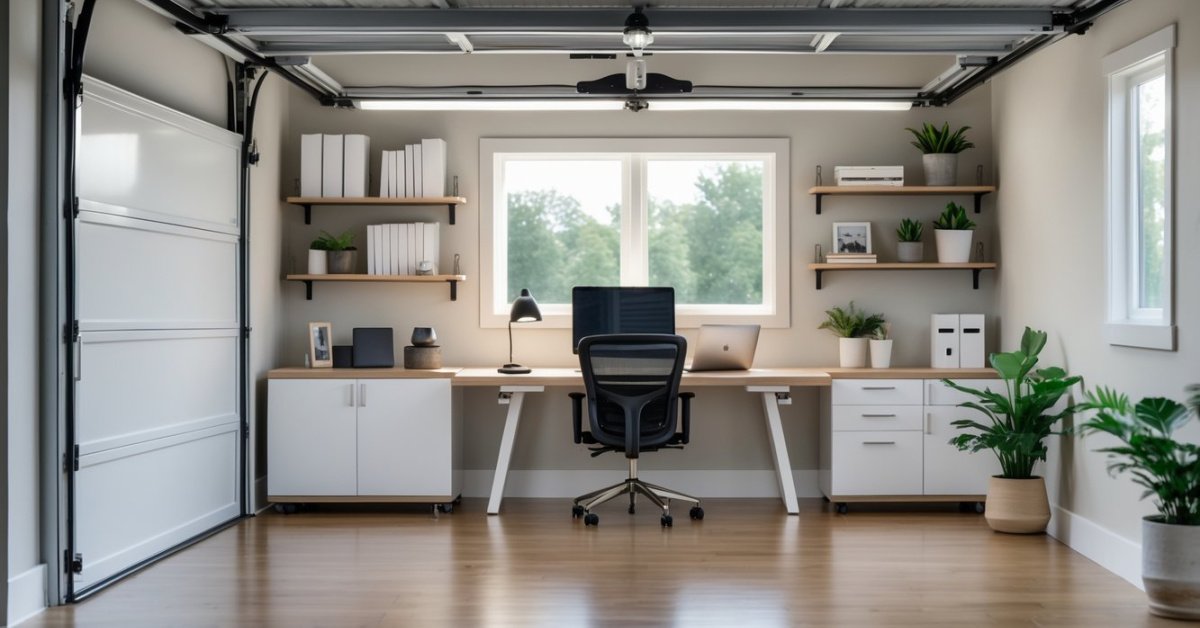
Every time I open my garage door I’m reminded of how easy it is for things to get out of hand. Tools pile up boxes multiply and suddenly there’s barely enough space to park my car. If you’ve ever felt overwhelmed by garage clutter you’re definitely not alone.
Getting organized doesn’t have to be complicated or expensive. With a simple storage plan I found that even the messiest garage can turn into a neat and functional space. Let’s dive into some easy steps that helped me reclaim my garage and find everything I need without the usual frustration.
Understanding the Importance of Garage Organization
Maximizing garage space gives any household more room for storage, projects, and vehicles. When I optimize garage layouts, I focus on freeing up floor area and adding dedicated zones for tools, sports equipment, and seasonal items. Reducing clutter means finding items faster, spending less time searching, and avoiding duplicate purchases. According to the National Association of Professional Organizers, 50% of homeowners say the garage is the most disorganized area in the home.
Maintaining a system in the garage directly impacts the safety of your home. Storing ladders or chemicals off the floor prevents tripping hazards or dangerous leaks. I’ve seen fire risks go down when people lock up gasoline, paint, and batteries in ventilated cabinets or on higher shelves, protecting kids and pets.
Improving organization can raise the value of your property. Finished, tidy garages boost buyer interest—especially in markets where storage matters most. Recent surveys from Zillow show homes with upgraded garages attract 20% more interest from buyers compared to similar properties.
Prioritizing a garage storage plan helps every household get the most from their investment, whether they use the space for hobbies, car care, or general storage. Clear zones, visible shelving, and smart overhead storage all play key roles, making daily routines smoother and the garage a true asset to the home.
Assessing Your Garage Storage Needs
I always start garage storage plans by pinpointing my available space and defining exactly what I’d like to store. My focus on these basics lets me create efficient, customized storage solutions for any home garage.
Evaluating Available Space
I measure floor area, ceiling height, and wall length before any design work begins. For example, single-car garages usually offer less than 200 square feet, while two-car garages often reach 400 square feet or more. I check for obstacles like water heaters, electrical panels, or door swings since these limit accessible areas. I note natural light sources and power outlets to determine where storage won’t block essential access or visibility. Every inch counts when I map out a garage.
Identifying Items to Store
I list all categories stored in the garage, using specifics like power tools, sporting gear, lawn equipment, paint cans, camping supplies, and bulky bins with seasonal decor. I count large items such as bikes, mowers, or freezers and estimate how much space each needs. If I’d like garage access for cars, I measure required dimensions for safe vehicle parking. I group similar items together since this streamlines future storage and retrieval. My results ensure the storage plan fits both daily use and long-term goals.
Essential Garage Storage Solutions for Beginners
I see most garages waste valuable space simply because the right systems aren’t in place. My favorite projects always start with accessible, flexible options anyone can install quickly.
Shelving and Cabinets
I recommend shelves and cabinets for storing bulky bins, paint cans, and cleaning supplies. Adjustable metal shelving lets me fit different item heights, while deep wall cabinets keep chemicals or valuables locked away from kids or pets. Typical garage shelves support up to 800 lbs per unit—enough for heavy power tools or car gear.
I always anchor tall cabinets to studs for stability and use closed doors for a tidier appearance.
Wall-Mounted Systems
I use wall-mounted racks and pegboards to keep hand tools, sports gear, and hoses off the floor. Slatwall panels let owners rearrange hooks and baskets when storage needs change. One 4-foot pegboard, for example, stores a dozen tools, while bike hooks hold up to 50 lbs each.
I mount these systems at eye level or higher to maximize floor space for vehicles or work tables. Anchoring to wood framing ensures strong support.
Step-By-Step Guide to Creating a Garage Storage Plan for Beginners
I approach every garage project with a practical process that transforms cluttered chaos into structured, accessible space. Here’s how I create a solid storage plan that works for any home garage.
Mapping Out Your Garage
I always start by mapping the garage on paper or a digital sketch. I measure floor dimensions, ceiling height, and wall lengths, recording locations of doors, windows, electrical panels, and built-in obstacles like water heaters. I include marked-off zones for parked cars to visualize real walkable and workable areas. This detailed map helps me avoid surprises and ensures every inch of space gets considered in the plan.
Categorizing and Grouping Items
I sort belongings into clear categories such as tools, sporting equipment, gardening supplies, and seasonal items. I use labeled bins or temporary piles to keep materials organized during this process. For example, I keep all garden tools together, group sports gear by type, and separate paint cans and chemicals for safe storage. Categorizing makes it easier to identify what needs priority access and what can be stored longer-term.
Designing Your Storage Layout
I design the storage layout once I know my garage map and categories. I use shelving along long walls for bins, cabinets for hazardous or valuable items, and wall-mounted pegboards near the workbench for hand tools. I position larger items, like lawnmowers or bikes, closest to the door or outer edge for fast access. I always leave central floor areas open to accommodate vehicles and movement. I combine custom storage zones, like overhead racks for seasonal boxes or ball racks for sports equipment, to maximize every dimension of the garage.
Tips for Maintaining an Organized Garage
- Schedule Regular Cleanouts
I recommend setting a quarterly calendar reminder for basic garage cleanouts. This keeps dust, debris, and unused items from accumulating. I remove empty boxes, dispose of expired chemicals, and check for duplicate tools during each cleanout.
- Return Items to Designated Zones
Storing items in their assigned zone is the fastest way to keep the garage functional. After any project or errand, I put tools, sports gear, and seasonal decor back in their labeled bins or on designated racks.
- Label Everything Clearly
Labeling bins, drawers, and shelves eliminates confusion about storage spots. I use adhesive labels with bold text for plastic bins, stackable drawers, and tool holders. This saves me time searching for small hardware, garden tools, or sports balls.
- Review and Update Storage Systems Annually
I review my plan each year and adjust shelving, hooks, or bins as my storage needs change. For example, I swap out bike racks for garden shelves each spring or add extra bins for growing tool collections. Consistent reviews help keep my storage layout efficient as household needs evolve.
- Ensure Floor and Pathway Clearance
I prioritize keeping main pathways clear for safety and access. I check after every organizing session that bins don’t block garage doors, cabinets don’t limit walking space, and cords stay secured, since crowded floors create tripping hazards.
- Monitor for Pests and Moisture
I inspect corners, shelves, and storage bins for signs of pests or water intrusion during each cleanout. Early detection of rodent droppings, insect activity, or moisture damage lets me intervene quickly with traps, seals, or repairs, preserving the integrity of storage and stored items.
- Rotate Seasonal Items
I rotate holiday decor, sports gear, and landscaping tools according to the current season. I move unused seasonal categories to high shelves or rear cabinets and bring relevant items to accessible zones.
- Involve Household Members
I make storage guidelines clear to everyone by posting simple instructions on cabinet doors or next to storage systems. This helps everyone use and maintain the system, so the space stays organized.
- Stay Flexible with Storage Solutions
I remain open to rearranging components as new storage needs arise. Modular shelves, stackable bins, or adjustable tool walls allow me to reconfigure zones rapidly without disrupting the whole system.
These habits and routines maximize garage space and keep the area reliable for storage, projects, and vehicles.
Common Mistakes to Avoid
Overcrowding storage zones slows garage access and reduces visibility for stored items. Stacking too many boxes in one area or ignoring weight limits for shelves causes frequent accidents or damage.
Ignoring vertical space wastes valuable storage options. Leaving walls and ceilings bare eliminates chances for adding hooks, racks, or overhead shelves, which I often install for bulky or seasonal gear.
Mixing categories in storage disrupts organization and makes it hard to find tools or sports gear when needed. Keeping gardening tools with auto supplies or holiday decor together with hardware confuses retrieval and creates clutter quickly.
Skipping detailed measurements leads to misfitting shelves, blocked doors, or inaccessible outlets. Buying storage units before mapping garage dimensions commonly ends in wasted purchases or blocked pathways.
Storing hazardous items like chemicals or sharp tools without dedicated, secure locations risks injury. Placing these materials in easily accessible areas or mixed with everyday supplies invites safety issues, especially for families with children.
Relying only on floor space eliminates room for vehicles or projects. Letting storage creep across the garage floor removes flexibility and often results in parking outside unnecessarily.
Delaying regular cleanouts lets clutter build up, negating any initial organization. Waiting too long to reassess leads to storage systems that don’t match current needs, which I see often in DIY projects gone stale.
Conclusion
Taking the first steps toward an organized garage might feel daunting but it’s so rewarding once you see the difference. I’ve found that a little planning and consistency go a long way in keeping things tidy and accessible.
Remember your garage doesn’t have to be perfect—it just needs to work for you and your household. With a bit of effort and the right mindset you’ll turn your garage into a space you actually enjoy using. Happy organizing!


