
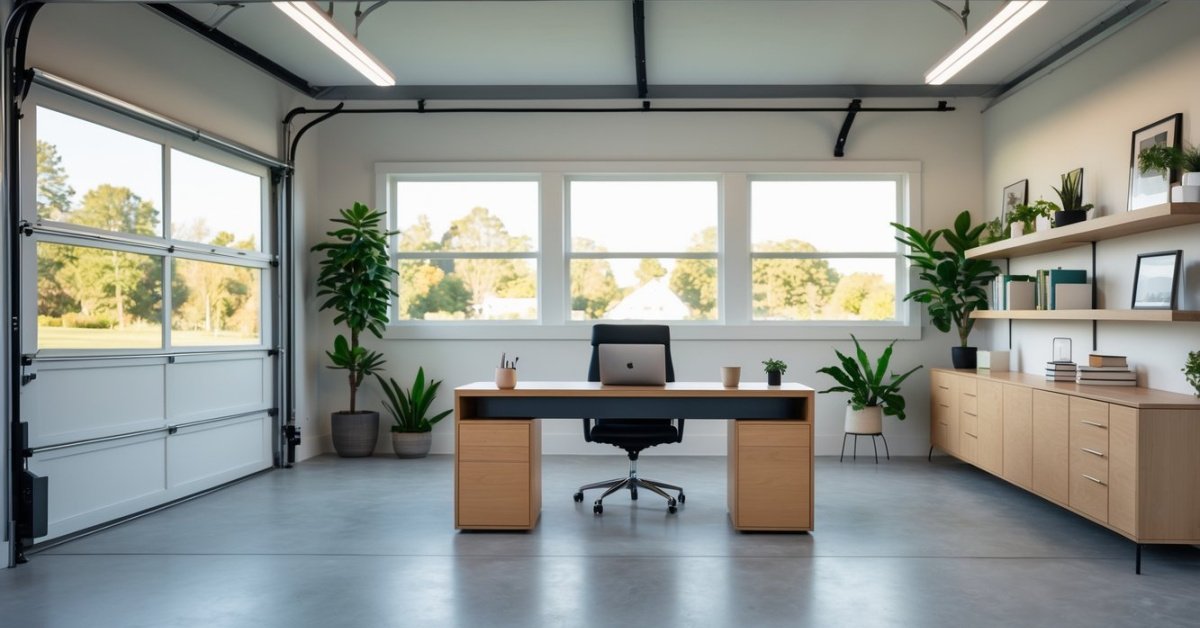
Every time I walk into my garage workshop I’m reminded how much easier projects go when my power tools are organized. There’s nothing more frustrating than wasting time searching for a missing drill or tripping over tangled cords when I’m eager to get started on a new project.
I’ve learned that a tidy workspace isn’t just about looks—it’s about making every job smoother and safer. With a little planning I can turn my cluttered bench into a space where every tool has its place and I can find what I need in seconds. Organizing power tools might seem like a big task but I’ve discovered it’s totally doable and absolutely worth it.
Benefits of Organizing Power Tools in a Garage Workshop
Maximizing Efficiency
I create organized zones to maximize workflow efficiency. I place drills, saws, and sanders within reach, which streamlines project transitions. I track each tool’s location with labeled storage, so I avoid unnecessary searches that interrupt focus.
Enhancing Safety
I position power tools such as circular saws and jigsaws with safety in mind. I separate blades, batteries, and cords using wall-mounted racks and bin systems for easy access and minimal risk. I keep cables detangled and sharp accessories covered so accidental injuries rarely occur.
Preserving Tool Longevity
I control dust and moisture by installing ventilated cabinets and sealed storage bins for routers and impact drivers. I use shelf liners and hooks to keep tools off concrete floors, which reduces rust and wear.
Saving Time on Every Project
I set up a dedicated space for tool charging and maintenance, which saves time. I schedule checkups and cleaning intervals for my power tools, using organizers to group related pieces together—such as drill bits and attachments—so prep and clean-up move faster.
Increasing Available Workspace
I optimize storage vertically with pegboards and overhead racks, so benches stay clear for active projects. I reclaim square footage by customizing drawers and modular walls, which opens up more room for crafting or parking.
Boosting Project Satisfaction
I find that a well-organized garage boosts confidence and inspiration. I can tackle bigger builds, more repairs, and creative projects more often when my workspace supports productivity and easy access to every power tool.
Assessing Your Power Tool Collection
I always start garage transformations by making sure every power tool gets accounted for, since knowing what’s on hand supports efficient layouts and storage planning.
Conducting an Inventory
I lay out all power tools, including drills, saws, grinders, and sanders, to get a complete picture. I write down the brand, model, condition, and accessories for each tool, creating a clear list. Grouping tools by type—corded, cordless, specialty—helps me spot duplicates or rarely used items. I photograph the whole collection for digital records, so I can refer back as needed when planning new storage or making upgrades.
Evaluating Tool Usage Frequency
I sort tools into categories: frequently used, occasionally used, and rarely used. I rank each item based on project needs, with drill drivers, orbital sanders, and impact wrenches usually landing on top for most homeowners. I flag specialty tools—such as biscuit joiners or rotary hammers—that see seasonal or project-specific use. These usage insights help me recommend the best placement in any garage workshop: high-access storage for essentials and out-of-the-way options for less-used gear.
Storage Solutions for Garage Workshops
Maximizing garage space for power tool storage brings efficiency and order. For every client, I match storage solutions to both tool variety and workshop layout, balancing accessibility with smart use of square footage.
Wall-Mounted Racks and Pegboards
Wall-mounted racks and pegboards keep tools visible and within reach. I install heavy-duty steel pegboards for corded drills, saws, and sanders, arranging hooks and brackets to fit tool shapes. For example, I group drills and their bits together, while dedicating a row for circular saws and jigsaws. Open wall systems free up floor space and allow for easy inventory checks, which streamlines project prep.
Cabinets and Shelving Units
Cabinets and shelving units provide dust-free, enclosed storage for delicate or rarely used power tools. I recommend deep shelves for benchtop tools like jointers and planers and lockable cabinets for high-value equipment. Adjustable shelves allow users to scale storage as collections grow, while transparent bins in open shelving can hold sanders or routers and their accessories in one place.
Portable Tool Chests
Portable tool chests help users move tools efficiently between stations and projects. I select chests with ball-bearing drawers and reinforced handles, assigning top drawers for cordless drill kits or oscillating multi-tools, and bottom drawers for heavier boxed tools like grinders. When organizing for clients, I label drawers and use foam inserts to keep tools secure during transport or daily garage activities.
Each storage choice enhances workflow and gives clients more usable floor space, making any garage workshop more functional and inspiring.
Best Practices for Tool Organization
Optimizing your garage means every power tool finds its perfect spot, saving you time and effort. I use proven practices to keep each tool organized for fast access and safe storage.
Grouping by Function or Size
Separating tools by function or size keeps your workflow efficient. I arrange drills, saws, grinders, and sanders in their own dedicated zones, creating quick access points for each category. Larger bench tools, like miter saws or drill presses, stay on sturdy surfaces or mobile bases along the wall, freeing valuable workbench space. Small tools, like oscillating multi-tools or compact sanders, fit perfectly on shelving or within drawer inserts for clutter-free access. Grouping similar tools also makes it easier to spot missing items, streamlining both setup and cleanup.
Labeling and Accessibility
Labeling storage locations speeds up work and keeps tools visible. I use bold, weather-resistant labels on shelves, drawers, and bins, adding tool outlines on pegboards for fast identification. Clear labeling means family or coworkers can grab the right tool without asking. I keep frequently used items at shoulder height or just below, with less-used tools stored higher or lower, reducing bending and reaching. I install pull-out drawers or sliding racks where floor space is limited, ensuring tools remain both accessible and stored safely.
Maintenance and Safety Considerations
Power tool organization only supports a productive garage if regular upkeep and safe practices follow. I prioritize both to protect the space, the equipment, and the users.
Maintaining an Organized Workspace
Routine upkeep of the garage workshop prevents clutter and hazards. I schedule 10-minute weekly resets for returning power tools to their labeled spots and wiping down surfaces, even when I’m busy with multiple projects. Dust accumulates fastest on tool benchtops and vertical racks—quick vacuuming or compressed air keeps it managed. Monthly inventory reviews catch misplaced tools and expired batteries. I always keep a small notepad or digital log for noting repairs or replacements so nothing gets overlooked. Consistency optimizes workflow and extends the life of storage systems.
Ensuring Safe Storage of Power Tools
Safe tool storage keeps the garage accident-free and preserves gear value. I store power tools with guards engaged and unplugged, using wall-mounted holders for drills, saws, and drivers to prevent falls. Sharp accessories like blades and bits stay in locking bins or magnetic strips away from children and pets. Moisture control matters, so I install vapor barriers and use silica gel packs in cabinets for rust-prone items. For cordless tools, I place charging stations on high, ventilated shelves with cord management hooks, ensuring no cords drape into walking paths. Safe storage choices reduce injuries and delays, making the workshop a dependable space for every homeowner.
Conclusion
Taking the time to organize my power tools has completely changed the way I approach projects in my garage. Now I can find what I need without any hassle and I know my tools are safe and well cared for. The process might take some effort at first but the results are absolutely worth it.
My garage feels more inviting and I’m always ready to dive into new projects. If you’re thinking about getting your workshop in order just remember that even small steps can make a big difference. You’ll thank yourself every time you walk in and get straight to work.


