
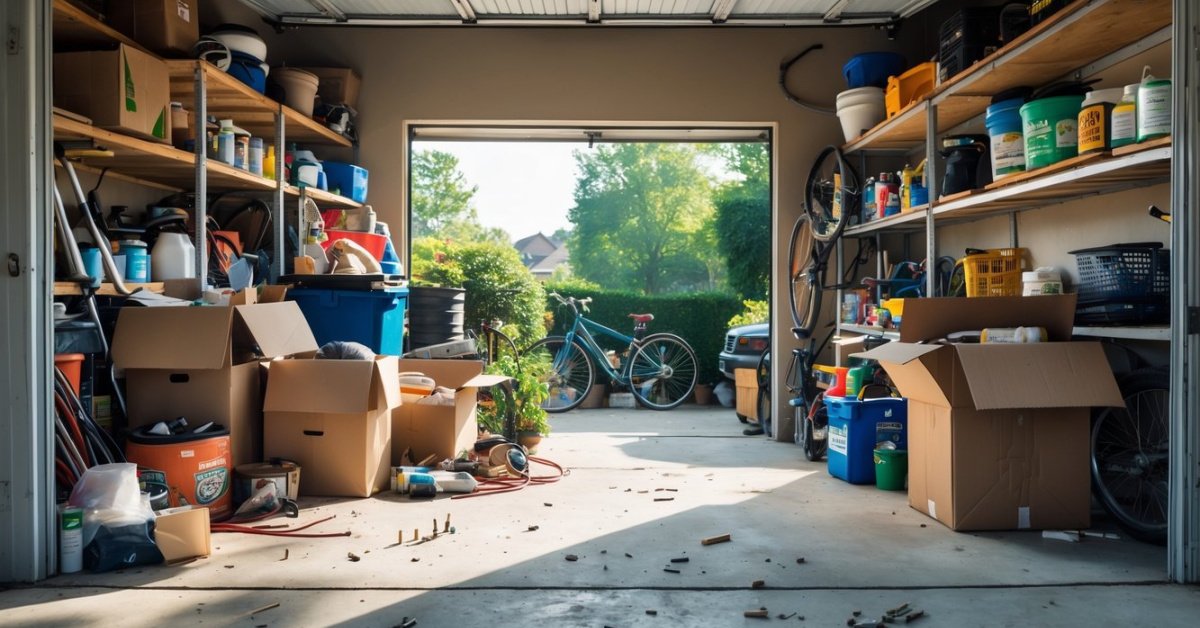
When I started turning my garage into a workshop I quickly realized the floor takes a real beating. Between heavy tools oil spills and constant foot traffic I knew I needed something tougher than the basic concrete slab.
Choosing the right flooring isn’t just about looks—it’s about finding an option that stands up to everything I throw at it. With so many choices out there I wanted to dig into which materials really hold up over time and make working in the garage a whole lot easier.
Understanding the Importance of Durable Garage Workshop Flooring
Choosing durable garage workshop flooring increases functionality and reduces long-term maintenance. I see floors absorb impacts from dropped tools, rolling tool chests, and heavy machinery daily. Surfaces with reinforced durability—like epoxy coatings or modular tiles with load ratings over 300 lbs/sq ft—resist cracking and denting much longer than bare concrete or low-grade mats.
Cleaning efficiency improves with tough flooring. I install surfaces like polyaspartic or sealed concrete that stay resistant to engine oil, paint spills, and battery acid, which often stain and erode unfinished slabs. Efficient wipe-up means owners can keep their workspace inviting, even with frequent projects.
Slip reduction enhances workshop safety. Textured finishes and grit additives prevent falls, especially in garages where water, sawdust, or oil collect. I recommend options with embedded grip or anti-slip ratings for any high-traffic or tool-heavy zone.
Value preservation flows from durable floors. Sturdy coatings and tiles retain their appearance and structural integrity for 10+ years, while unfinished concrete often shows visible wear in under 3 years when exposed to constant activity.
Every project’s durability demands depend on mission: heavy mechanical repairs, woodworking, or clean storage each call for unique flooring characteristics. I track these use cases when recommending material types so each owner’s investment best supports their activities without busting their budget.
Key Factors to Consider When Choosing Flooring
Flooring upgrades transform garage workshops into spaces that handle heavy use and support daily projects. I look for these core factors before recommending or installing any new surface.
Resistance to Wear and Tear
Durability for garage workshop flooring demands resistance to scratches, dents, and chemicals. I recommend surfaces engineered to absorb repeated tool drops and support rolling equipment, like polyaspartic coatings or rigid PVC tiles, since they withstand impacts and gouging better than bare concrete. For spaces prone to chemical spills—engine oils or solvents, for instance—epoxy and polyurethane formulations offer superior protection against staining or surface breakdown. Textured surfaces reduce visible scuffs and sustain grip even after years of busy use.
Ease of Installation and Maintenance
Quick installation benefits owners who want minimal downtime. I suggest interlocking tile systems or roll-out mats for a one-day transformation. These types don’t require adhesives or heavy prep and let owners replace damaged sections individually. For liquid-sealed options like epoxy or polyaspartic, installation takes longer—up to 72 hours for curing—but rewards with seamless edges and minimal seams. I look for low-maintenance finishes that resist oil and dust, so owners can sweep or mop without aggressive chemicals. Stain-blocking surfaces keep workshops looking sharp with simple weekly cleaning.
Cost and Budget Considerations
Choosing durable garage workshop flooring means balancing material strength with budget limits. I break down project costs by square foot, including materials and labor. Interlocking tiles start around $3 per sq ft, while high-end designer epoxies or polyaspartics can exceed $8 per sq ft. I factor in long-term savings on repairs, as durable floors reduce the need for patching or replacement every few years. Owners aiming for quick upgrades with modest investment often prefer modular tiles, while those prioritizing seamless looks and maximum resistance commit more to resin coatings for a premium finish.
Top Garage Workshop Flooring Options for Durability
I focus on durable flooring solutions that upgrade garage workshops into efficient, low-maintenance spaces. The best flooring options handle drops, spills, and heavy foot traffic while looking sharp for years.
Epoxy Coatings
Epoxy coatings create seamless, high-strength surfaces for garage workshops. I apply these coatings to protect concrete from chemicals, oil, and abrasion. Epoxy resists stains, fills small cracks, and delivers a glossy finish that brightens the space. I like using industrial-grade formulas for workshops that see frequent tool drops or heavy machinery. When prep and ventilation are done carefully, epoxy installations last over 10 years in residential garages, according to NACE International.
Interlocking Floor Tiles
Interlocking floor tiles simplify garage workshop upgrades. I use rigid PVC or polypropylene tiles in projects where clients want easy installation, damage repair, and design flexibility. The tiles snap together, covering imperfections and providing strong resistance against chemicals and scratches. Designs with textured surfaces improve grip, reducing slips from sawdust or oil. Manufacturers like RaceDeck certify most tiles for loads up to 40,000 lbs per square foot—ideal for heavy workbenches or vehicles.
Polished Concrete
Polished concrete delivers long-term durability with minimal upkeep. My process grinds and polishes the slab to a dense, reflective finish that resists tire marks, water, and impact. Polished floors don’t require coatings but benefit from periodic sealing for added stain protection. This option works well for clients seeking a modern, industrial look and a floor lifespan of 20+ years in low-moisture garages per ConcreteNetwork data.
Rubber Flooring
Rubber flooring adds shock-absorption and comfort for workshop users. I recommend rubber tiles or rolls for garages where owners spend long hours standing or want extra cushioning under dropped tools. These floors resist mold, moderate chemical exposure, and dampen sound. Products from leading brands like Rubber-Cal withstand moderate vehicle loads, though I suggest thicker commercial-grade materials for heavy-duty workshops.
PVC Roll-Out Mats
PVC roll-out mats offer quick, versatile coverage for garage floors. I often use these in projects needing fast installations or temporary upgrades. The mats unroll over existing concrete, creating a water-resistant barrier that blocks spills and abrasives. Most PVC mats withstand common garage chemicals and can be cleaned with a hose. For uneven or cracked floors, these mats hide imperfections while providing slip resistance in busy areas.
| Flooring Option | Lifespan (years) | Load Rating | Chemical Resistance | Maintenance |
|---|---|---|---|---|
| Epoxy Coatings | 10–15 | High | High | Low |
| Interlocking Floor Tiles | 10+ | Up to 40,000 lbs/sq ft | High | Low/replaceable |
| Polished Concrete | 20+ | Very High | Moderate | Very low |
| Rubber Flooring | 8–10 | Medium–High | Moderate | Low |
| PVC Roll-Out Mats | 5–10 | Medium | High | Very low |
Comparing the Pros and Cons of Each Flooring Option
When I help clients upgrade their garage workshop flooring, I weigh the unique pros and cons of each type based on durability, appearance, and how owners use their space. Here’s how the main flooring choices compare for home garage optimization:
- Epoxy Coatings:
Epoxy coatings create a seamless, high-strength surface. I find these resist stains from oil and solvents, keeping the workspace clean. Their main drawback lies in prep and application—epoxy needs a clean, dry, etched concrete base and must cure 24 to 72 hours before use. Once installed, minor chips or cracks mean recoating the affected area to maintain appearance. For garages with heavy equipment, epoxy stands up to dropped tools and tires, but it can get slippery when wet unless I add an anti-slip aggregate.
- Interlocking Tiles:
Interlocking tiles, like rigid PVC or polypropylene, snap together for quick installs. I can replace single tiles in high-traffic areas, making maintenance simple. These tiles come textured, reducing slips and providing grip for moving equipment. They support vehicles and machinery with load ratings up to 7,000 lbs per square foot. Some tiles trap moisture or dust underneath if ventilation is poor, and styling options often lean toward an industrial look.
- Polished Concrete:
Polished concrete offers a clean, modern finish lasting 20-plus years. It resists most spills and impact damage and requires little beyond cleaning and resealing every few years. Polishing an old or cracked slab can reveal imperfections, so surface prep matters. While it won’t chip easily, polished concrete feels hard underfoot and doesn’t cushion dropped tools or fatigue as much as other options.
- Rubber Flooring:
Rubber flooring rolls or tiles add cushioning and quiet footfalls, ideal if you stand or drop tools a lot. I recommend rubber for projects needing shock absorption or frequent floor adjustment. While it resists chemical stains better than bare concrete, petroleum-based spills sometimes cause staining unless you clean up fast. Over time, heavy loads may leave indentations, so I avoid rubber for vehicle parking zones.
- PVC Roll-Out Mats:
PVC roll-out mats deliver instant coverage for garage workshops. Owners like their ease of installation—I just unroll and trim to fit. These mats block spills from reaching the concrete and give moderate cushioning. On the downside, seams may lift with heavy wheeled equipment, and sharp tool drops sometimes cut the surface. For fast upgrades or temporary setups, PVC mats offer flexibility.
Here’s a concise table summarizing the key attributes:
| Flooring Option | Lifespan (years) | Load Rating (lbs/sq. ft.) | Chemical Resistance | Ease of Install | Maintenance |
|---|---|---|---|---|---|
| Epoxy Coatings | 10–15 | 6,000+ | High | Moderate (prep) | Moderate (recoat) |
| Interlocking Tiles | 10–15 | 7,000 | High | High (DIY) | Easy (replace tile) |
| Polished Concrete | 20+ | 8,000+ | High | Moderate (pro prep) | Low |
| Rubber Flooring | 7–10 | 600 | Moderate | High (DIY) | Easy (spot clean) |
| PVC Roll-Out Mats | 5–10 | 800 | Moderate | Very High (DIY) | Easy (wipe down) |
I match garage flooring to daily use, design taste, and budget constraints, always focusing on maximizing both utility and creative potential.
Tips for Maximizing the Lifespan of Your Garage Workshop Floor
Regular cleaning protects your garage workshop floor from fine debris that causes scratching and chemical buildup. I sweep or vacuum weekly and mop monthly with a cleaner matched to the flooring type, using products like pH-neutral solutions for coated concrete or mild soap for tiles.
Applying surface protectants can create a shield against oil stains and moisture penetration. I recommend reapplying epoxy or polyaspartic topcoats every 3–5 years on coated floors and using a sealer on bare concrete annually to prevent damage from liquids.
Strategically placing floor mats in high-traffic or tool-drop zones reduces localized wear on garage workshop flooring. Anti-fatigue rubber mats or heavy-duty polyvinyl runners near workbenches absorb impacts and minimize scratching on epoxy, tile, or concrete surfaces.
Repairing damage quickly extends your floor’s lifespan by blocking moisture from entering cracks or seams. I use touch-up kits for epoxy, replace damaged interlocking tiles as soon as I spot wear, and patch chips in polished concrete right away.
Limiting heavy impacts by using padded feet on tool chests and cabinets maintains floor integrity in my workspace. Adding felt pads and soft casters to rolling equipment prevents deep gouges in finished or tile surfaces.
Ensuring proper drainage and humidity control stops mold and prevents moisture from undermining adhesives or finish layers. I use a dehumidifier if the space feels damp and grade the concrete slab for water to flow away from the workshop area.
Following these practices consistently makes any durable garage workshop flooring option last longer and keeps the workspace safer and easier to maintain, all while maximizing the value of your investment.
Conclusion
Choosing the right flooring for my garage workshop made a huge difference in how I use the space every day. It’s not just about durability—it’s about making my workspace safer and easier to maintain for years to come. Taking the time to weigh all the options really paid off and I feel confident my garage floor is ready for whatever project comes next. If you’re planning your own upgrade don’t rush the decision—your future self will thank you.


