
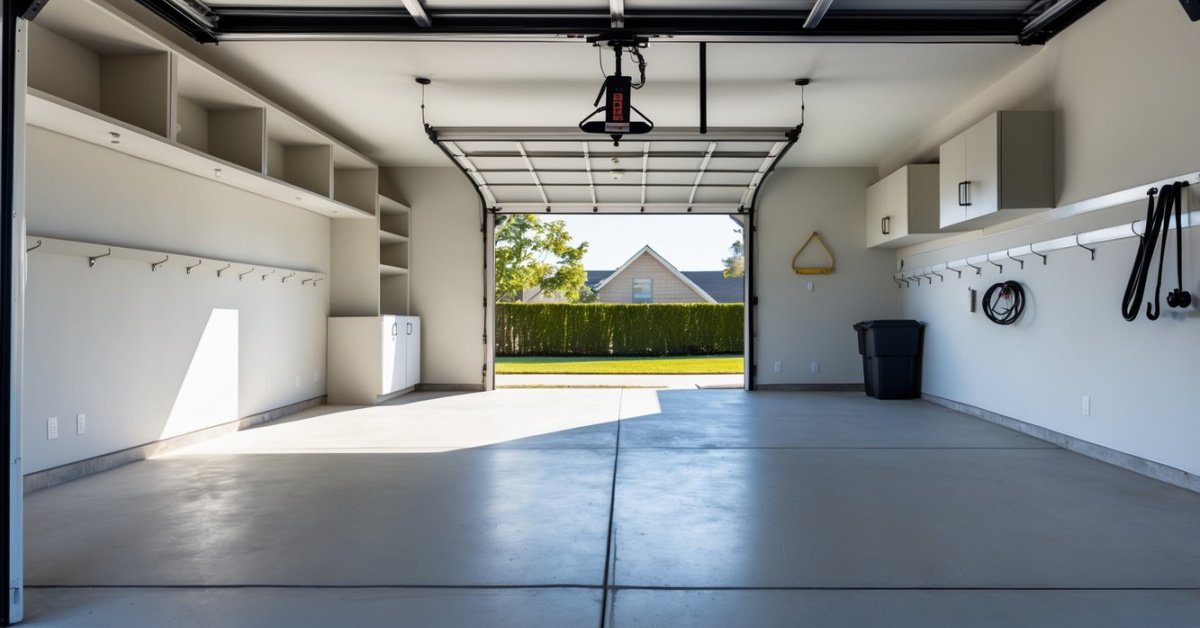
Every time I step into my garage I feel like I’m on a treasure hunt—except the treasures are buried under piles of stuff I can barely remember owning. If you’re anything like me you know how quickly a garage can turn into a cluttered mess. That’s why I started looking for smarter ways to keep things tidy and easy to find.
Stackable bins have become my secret weapon for garage storage. They don’t just save space—they make it a breeze to organize everything from holiday decorations to sports gear. With a little planning I’ve found that these simple containers can transform even the most chaotic garage into a space that actually works for me.
Benefits Of Using Stackable Bins For Garage Storage
Stackable bins maximize vertical storage, letting me make use of unused wall and shelf space. By stacking bins up to 4 units high, I create more floor area for projects or large equipment. When bins go up, I gain easy pathways and better movement.
Organization gets easier with stackable bins, as I can group items by type—for example, putting holiday lights in one and camping gear in another. Clear bins or labeled fronts let me spot contents fast, saving time every time I reach for a tool or supply.
Durability matters in garages with dust, moisture, and temperature swings. Heavy-duty stackable bins made from polyethylene or polypropylene resist cracking and warping, keeping their shape after years of use.
Stackable bins keep pests out when lids seal tightly, helping me protect stored possessions from rodents or bugs—a benefit for food storage or seasonal fabrics.
Accessibility improves with stackable designs that let me pull a single bin from the stack without opening everything. Some bins have front-access doors, making quick grabs possible even when stacked tight against each other.
Garage safety goes up when I reduce tripping hazards. By storing sharp objects, chemicals, or sporting equipment inside secure bins, I cut down on loose clutter that crowds pathways.
| Benefit | Example |
|---|---|
| Vertical Storage | Stack bins up to four high on wall shelves |
| Easy Access | Labeled bins for fast item retrieval |
| Pest Protection | Sealed bins stop rodents from reaching fabrics |
| Safety | Secure sharp tools and chemicals inside bins |
| Durability | Polypropylene bins resist moisture and impact |
Choosing The Right Stackable Bins
Selecting the best stackable bins impacts how well a garage serves its owners. I match each bin’s features to the unique needs of every space.
Materials And Durability
Choosing bins made from high-density polyethylene or polypropylene increases long-term usability. I use these heavy-duty plastics for bins exposed to temperature swings, moisture, or direct sunlight. For garages that store sharper tools or heavier hardware, I add reinforced models to the stack. Metal-reinforced corners and thickened walls on select brands, like Sterilite and Rubbermaid, cut down on cracking or breaking over time.
Size And Capacity
Selecting bin sizes that fit available vertical and horizontal garage space allows for the best stacking efficiency. I measure shelf height and overhead clearance, then choose capacities in the 12-27 gallon range for bulky items such as holiday lights or sports gear, and 5-10 gallon bins for hardware or gardening supplies. Having a mix of sizes lets me create custom stacks for every wall and nook in the garage, fitting every kind of item.
Lids And Accessibility
Using bins with tight-sealing lids keeps out dust and pests, especially if owners store things like camping pads or extra linens. I add bins with hinged, split, or removable lids when quick access matters—like near gardening workbenches or sports equipment zones. Transparent lid options, or bins that hold large, easy-read labels, help identify contents instantly, which streamlines retrieval and return.
Organizing Your Garage With Stackable Bins
Stackable bins create order, save space, and make garage organization straightforward. I use this system for every garage optimization project, combining clear methodology with creative touches for my clients.
Sorting Items By Category
Sorting each item by category forms the base of effective stackable bin use. I group items by their main use, such as sporting equipment, gardening tools, car-care supplies, and seasonal decorations. For instance, I separate soccer balls and tennis rackets under “sports,” while potting soil and hoses stay under “gardening.” This step lets me assign a dedicated bin for each type, preventing overlap and confusion down the road. Using specific categories helps my clients locate items with minimal searching.
Labeling And Inventory Tips
Labeling and inventory practices ensure that stackable bins remain easy to access and manage over time. I create large, legible labels using waterproof markers or printed adhesive tags. Every bin gets its category on at least two sides, such as “Camping Gear” or “Holiday Lights.” For extra organization, I number each bin and maintain a master inventory in a simple spreadsheet or notebook, with entries listing contents and bin numbers like “Bin 04: Paint brushes, Stain cans.” This approach speeds up retrieval and stops surplus purchases by keeping stock visible. Clients often request digital photos inside each bin for extra clarity, which works well for high-value or intricate collections.
Maximizing Space And Safety
Stackable bins let me reclaim floor space and make every corner of a garage work harder. I focus on safe, efficient stacking methods to keep items secure, organized, and easy to retrieve.
Proper Stacking Techniques
I always recommend stacking larger, heavier bins at the base, with lighter or smaller bins on top. This order prevents tipping and compression damage. When possible, I line bins against solid walls or shelves for extra support—especially under sloped ceilings or in tight corners. I choose uniform bin sizes for neat stacks; for example, standard 12-gallon or 18-gallon bins keep my clients’ storage looking tidy and stable. Stacking rarely exceeds four bins high unless shelving or platform supports reinforce the structure. I keep frequently accessed bins closer to the ground, so my clients avoid strain or accidents since top-bin retrieval poses more risk.
Ensuring Stability And Easy Access
I boost stability with locking-lid bins or those with interlocking features. These models help each layer grip the one beneath it, avoiding slips if clients bump or adjust a stack. I position stacks so that labels and handles always face outward—clear bin orientation speeds up access and keeps retrieval routines simple. Where clients reach for specific gear regularly, I use open-front bins or add sliding rails and rolling carts, making lower stacks more accessible for sports equipment or garden tools. Rubberized non-slip pads add another layer of safety on polished floors, anchoring each bin for better traction. Safety markers or reflective tape mark stack edges in dim corners and help everyone identify storage hazards at a glance.
Maintenance And Cleaning Of Stackable Bins
Consistent care keeps stackable bins efficient for garage storage. Weekly wipe-downs using mild soap and warm water remove dust, grease, and allergens from bin surfaces, lids, and handles. Monthly checks help me spot cracks, warped plastic, or weak spots before these issues affect stability.
Thorough drying after cleaning prevents trapped moisture, which can lead to mildew or odor, especially with bins stored on cold concrete floors. I rotate bins during seasonal switch-outs. This exposes hidden sides and lets me deep clean less-accessible areas prone to cobwebs or dirt buildup.
If labels become faded or detached, I refresh them with waterproof markers or replacement adhesive labels to maintain clear, readable identification. Quarterly, I inspect corners and seal points for pest intrusion, reinforcing edges with weatherproof tape if any signs appear.
Strong odor or stickiness inside a bin prompts me to use a vinegar-water solution or specialized plastic cleaner. I keep heavy outdoor-use bins aired outside for an hour after cleaning if I notice lingering smells, which often results from storing gardening chemicals or motor oils.
For optimal stackable bin longevity, I avoid storing solvent-based products directly in contact with bin interiors. I line bins with heavy-duty plastic inserts when storing paint or automotive fluids, which helps prevent stains and corrosion.
Routine attention to bins’ physical condition increases both safety and organization in any garage environment. With a few minutes each week, I keep garage storage solutions dependable and ready for any organizing challenge.
Conclusion
My garage feels so much more manageable now that I’ve embraced stackable bins as my go-to storage solution. I love how easy it is to keep everything in its place and find what I need without rummaging through piles of clutter.
With a little effort and the right system, I’ve turned a once chaotic space into an organized and safe area that actually makes me look forward to tackling new projects. If you’re tired of garage mess, I can’t recommend stackable bins enough for making life simpler and your space more enjoyable.


