
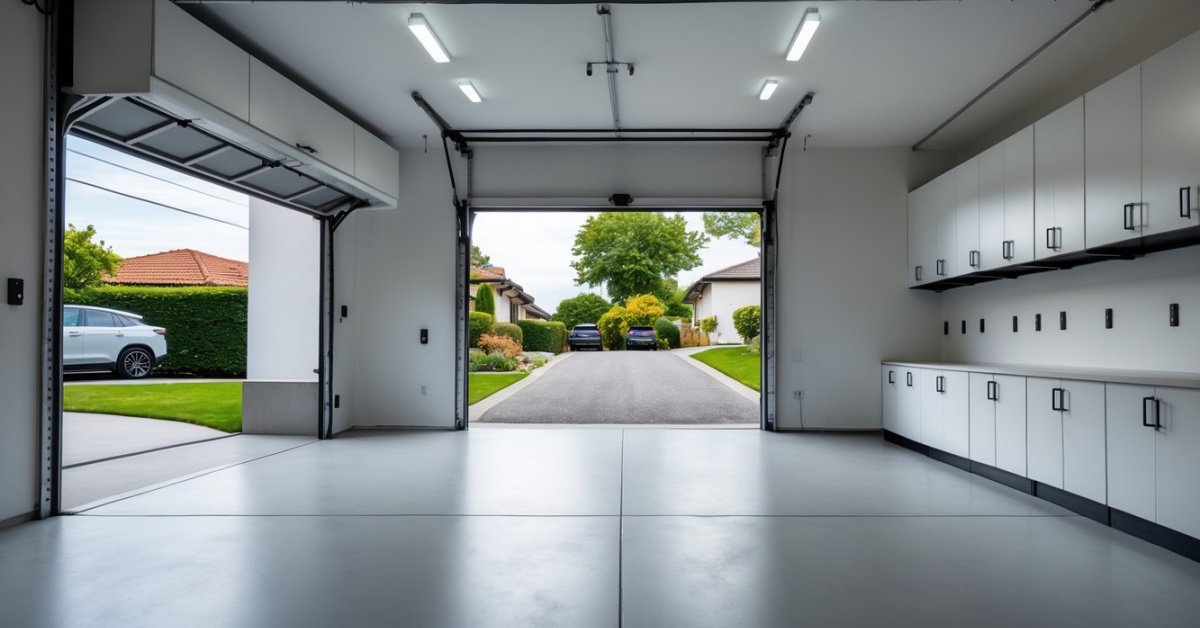
Whenever I walk into my garage and take a deep breath I can tell right away if the air feels fresh or stuffy. Keeping the garage ventilation system clean makes a huge difference not just for comfort but for safety too. Over time dust cobwebs and even car exhaust can clog up vents and fans making it harder for fresh air to circulate.
I’ve learned that a little regular maintenance goes a long way. With just a few simple steps I can keep my garage air clean and my ventilation system working at its best. If you’re not sure where to start don’t worry—I’ll walk you through everything you need to know.
Understanding Garage Ventilation Systems
Garage ventilation systems use a combination of intake vents, exhaust fans, and ducts to remove air contaminants like gasoline fumes, dust, and moisture. Each component plays a distinct role in keeping the garage air fresh for vehicle storage, hobbies, or any space conversion.
Intake vents allow outside air to enter the garage, balancing the airflow and supporting efficient exhaust. Most garages have passive wall or soffit vents near the floor or walls. When choosing vent locations, I always consider activities like woodworking, painting, or using chemical products that generate fumes near the ground.
Exhaust fans move stale air and pollutants outside, with models ranging from wall-mounted fans to roof-mounted units. I often recommend exhaust fans in converted garages, especially those used as home gyms or workshops, to help reduce airborne particles and dampness.
Ductwork connects vents and fans to maximize airflow pathways. Some systems include filters to trap dust and particulates before air exits the garage. For garages used as living spaces or home offices, adding a filter to ducted systems helps tackle allergens and keeps the climate comfortable.
Properly working ventilation keeps garages safer and prevents issues like musty odors, condensation, or rust on tools and vehicles. I always optimize layouts for the best air movement, especially when converting garage space for added utility or year-round comfort.
Why Cleaning Garage Ventilation Systems Matters
Clean garage ventilation systems directly support space optimization by maintaining air quality and protecting anything stored or used in the garage. Unmaintained vents and fans collect dust, automotive residue, pollen, and insect debris—examples that clog filters and coat duct surfaces. These blockages force systems to work harder, reducing airflow and compromising the garage’s function as a workshop, gym, or storage area.
Proper cleaning prevents unhealthy buildup of gasoline fumes, moisture, and allergens, which otherwise settle on tools, stored equipment, and gym gear. When airflow stays unobstructed, temperature and humidity stay balanced—critical for electronics, paints, and seasonal items. I find this especially important in multi-use conversions, where each added purpose demands consistent air turnover and cleaner surfaces.
Blocked or dirty ventilation promotes musty odors, mold, and rust on metal components or automotive parts, affecting the longevity of my clients’ investments in garage upgrades. Routine cleaning also supports efficient exhaust of contaminants such as paint fumes or cleaning chemical vapors when the garage doubles as a creative space or workshop.
Regularly cleaned ventilation maintains comfort, protects valuable items, and supports creative garage transformations by enabling every square foot to serve a useful role.
Signs Your Garage Ventilation Needs Cleaning
Dust Buildup on Vents
I notice dust and debris on vent covers, fan grills, or intake screens in many garage projects. Thick layers signal airflow restriction and give me a clear indication of overdue cleaning.
Weak Airflow from Fans
I test exhaust fans and vents to feel the strength of the air. Minimal airflow or a slow-moving fan shows me that interior dust or grime clogs the system.
Persistent Musty Odors
I recognize musty or stale odors after entering a garage, which suggests contaminants are lingering. Persistent smells often reveal trapped moisture or mold deep in ventilation ducts.
Visible Mold or Mildew
I look for black or green patches around vent openings, ductwork seams, or on filters. Visible mold points to trapped moisture and needs immediate attention.
Increased Allergy Symptoms
I listen when owners mention sneezing or coughing after spending time in their garage. Heightened allergy symptoms in these spaces commonly tie back to dirty vents releasing allergens or dust.
Condensation Near Ducts or Windows
I check for fogged glass, damp walls, or dripping water near ductwork and garage windows. These signs tell me airflow is inadequate because dust or debris is blocking ventilation.
Accumulated Pest Matter
I examine vents for cobwebs, insects, or nests. Pests thrive in stagnant air; their presence inside vents signals poor airflow due to debris buildup.
These indicators help me decide when to clean garage ventilation during any optimization or conversion, ensuring every garage remains comfortable, fresh, and ready for creative use.
Preparation Before Cleaning
Before I start cleaning a garage ventilation system, I make sure everything’s set for a smooth process. Careful prep keeps my projects efficient and protects both the garage and its contents.
Safety Precautions
I always shut off power to the exhaust fans and any related electrical systems first, especially when garages have outlets near ventilation. I put on gloves and a dust mask to keep dust, mold spores, and debris away from my skin and lungs. If I’ve found mold in the ductwork or see pest droppings—both common in underused garages—I use goggles and a long-sleeve shirt for extra protection. I avoid working with sharp vent edges or removing fan cover grills without proper hand protection.
Required Tools and Materials
I lay out these essentials before any garage cleaning job:
- Screwdrivers (Phillips and flathead) for removing vent covers and fan grills
- Vacuum cleaner with hose attachments for pulling dust from duct interiors
- Soft-bristled brush or old paintbrush for scrubbing grilles and hard-to-reach corners
- Mild detergent mixed with warm water in a spray bottle for safe cleaning of greasy residue or mildew
- Microfiber cloths for wiping surfaces and drying vent covers
- Flashlight or headlamp for spotting buildup deep inside ductwork
- Ladder for reaching high wall or ceiling vents
- Replacement air filters (if the system has filtration components) for improved allergen control
- Sturdy trash bags for collecting debris, filters, and wipes
Detailed prep like this streamlines the process when cleaning garage ventilation, helping me transform underused garages into healthier, more flexible spaces.
Step-By-Step Guide: How to Clean Garage Ventilation Systems
Keeping garage ventilation clean boosts air quality and unlocks new ways for owners to use their space. Here’s how I handle every step when preparing a garage for its best and healthiest configuration.
Cleaning the Vents and Grilles
Cleaning vents and grilles starts with removing surface buildup to unclog airflow points. I unscrew vent covers using a manual or cordless screwdriver. I vacuum loose dust and cobwebs using a brush attachment. I soak removable grilles in warm, soapy water for about 15 minutes if they’re excessively dirty. I wipe non-removable vents with a damp microfiber cloth. I dry all components thoroughly before refitting them to prevent mold growth.
Removing and Cleaning Filters
Cleaning filters keeps contaminants from cycling back into converted garage spaces. I carefully slide or unclip filters from fan units or vent slots. I check whether the filters are disposable or reusable—labeled markings or the manufacturer’s instructions provide guidance. I wash reusable filters under running water with mild detergent, brushing gently to remove embedded dirt. I dry the filters completely before reinstalling. I replace disposable filters with new ones matching the specified size or model.
Cleaning Ductwork and Fans
Cleaning ductwork and fans prevents circulation of debris and ensures reliable airflow, especially in garages serving as home gyms or workshops. I access duct interiors by removing attached vent covers and use a flashlight to inspect for dust, pests, or mold patches. I vacuum inside ducts with a long hose and soft bristle attachment. I wash fan blades with a damp cloth and mild detergent, supporting the blades gently to avoid bending. I clear the fan motor housing of dust using a dry brush or compressed air. I secure all panels and vent covers after cleaning to restore optimal ventilation.
Maintenance Tips for Long-Term Efficiency
- Inspect regularly
I inspect each vent, fan, and duct in converted garages monthly for dust, blockages, or pest debris, since even minor buildup can restrict air and compromise both storage and activity zones.
- Change filters on schedule
I replace intake or exhaust filters every 3 months for garages used as home gyms, workshops, or studios, or when filters show visible discoloration or clogging, which helps maintain constant airflow and trap allergens.
- Clean fan blades and motors
I vacuum and wipe down exhaust fan blades and housings quarterly, since dust and grease from vehicles or projects tend to coat moving parts, often reducing airflow and causing early motor wear.
- Keep vent pathways clear
I make sure nothing blocks wall or ceiling vents after each garage declutter—boxes, seasonal décor, or tall shelving units placed too close to ventilation quickly reduce efficiency and trap humidity.
- Monitor humidity and condensation
I install humidity monitors for garages prone to moisture, and immediately treat persistent condensation on ducts or windows with improved airflow or a portable dehumidifier, since unchecked dampness can lead to mold and rust on stored items.
- Check and reseal ductwork
I inspect and reseal duct connections every 6 months, as loose or cracked joints leak airflow and reduce ventilation power, which becomes even more noticeable when the garage is used for creative work or fitness.
- Test functionality after storms or renovations
I always run fans and check airflow after dust-heavy projects, weather events, or remodels, since construction debris or wind-blown dirt often accumulates rapidly and affects system performance.
- Consult a professional for upgrades
I recommend a certified HVAC specialist for adding extra fans, smart controls, or integrated air purification during garage makeovers, since these upgrades lock in long-term efficiency and open new creative garage uses.
| Task | Recommended Frequency | Context |
|---|---|---|
| Inspect vents, fans, ducts | Monthly | Prevent blockages, especially with frequent garage use |
| Change or clean filters | Every 3 months | For fitness/workshop garages or on visible clogging |
| Clean fan blades/motors | Quarterly | Where dust, grease, or sawdust accumulates |
| Reseal and check ductwork | Every 6 months | After heavy use or temperature shifts |
| Monitor/treat humidity | As needed | Where moisture, condensation, or rust develops |
I optimize each of these steps based on whether a garage functions as a creative studio, an organized gear hub, or a home gym, since clean air, reliable fans, and clear vents maximize both comfort and versatility for any space conversion.
When to Call a Professional
Calling a professional garage ventilation contractor makes sense when specific issues appear that regular cleaning can’t resolve or diagnose. I see these situations most often in garages that have been converted for unique uses, like home gyms, guest suites, or creative studios, where airflow problems directly impact comfort and safety.
- Persistent mold or rust despite cleaning
Finding mold spots on drywall or rust on stored tools after thorough cleaning usually signals hidden leaks inside ductwork or behind walls. Mold growth over 10 square feet or rust spreading across multiple items often points to deeper, recurring moisture issues only a pro can track with specialized equipment and remediation steps.
- Unusual noises or strong odors from the system
Hearing rattling, buzzing, or clanking whenever the ventilation runs, or dealing with acrid fumes or burning smells, indicates possible fan motor failure or electrical issues. I recommend stopping use immediately in these cases since electrical faults risk fire. Specialists use airflow meters and thermal imaging to diagnose and repair safely.
- Decreased airflow from exhaust fans or ducts
Measuring airflow at more than 40% below the system’s standard—such as an exhaust fan rated for 300 CFM blowing at under 180 CFM—suggests severe obstructions or failing components. When standard cleaning and filter replacement don’t restore function, mechanical inspection and sometimes part replacement or motor servicing are needed.
- Complex ductwork or vent rerouting projects
Reworking ducts to create climate zones for a fitness studio, home office, or hobby workshop requires layout calculations based on cubic footage, insulation, and energy loads. I collaborate with certified HVAC pros for these redesigns to guarantee efficient heating, cooling, and ventilation.
- Pest infestations inside ductwork
Spotting chewed or shredded filter material, hearing scratching sounds in ducts, or finding large nests points to rodent or insect entry. Professional decontamination and resealing stop pests and safeguard the air circulation for sensitive activities, like painting or electronics storage.
- Recurring condensation or visible water leaks
Seeing regular drips, standing water, or humidity spikes above 60% leads me to consult with ventilation engineers who assess for undersized fans or improper vent slopes. These moisture problems create lasting damage without professional correction.
Anytime garage air quality or mechanical integrity impacts planned uses—like an art studio needing stable air, or a classic car space requiring perfect humidity—I rely on trusted specialists to solve underlying ventilation problems and guarantee peak space optimization.
Conclusion
Taking care of my garage ventilation system has made a noticeable difference in how fresh and comfortable the space feels. Clean air not only helps protect my belongings but also makes it safer to spend time working or relaxing in the garage. By making ventilation maintenance part of my routine I’m able to enjoy a healthier and more versatile space year-round.
If I ever run into issues that seem too complex or persistent I know it’s worth reaching out to a professional. Keeping my garage air clean is a simple step that pays off in so many ways.


