
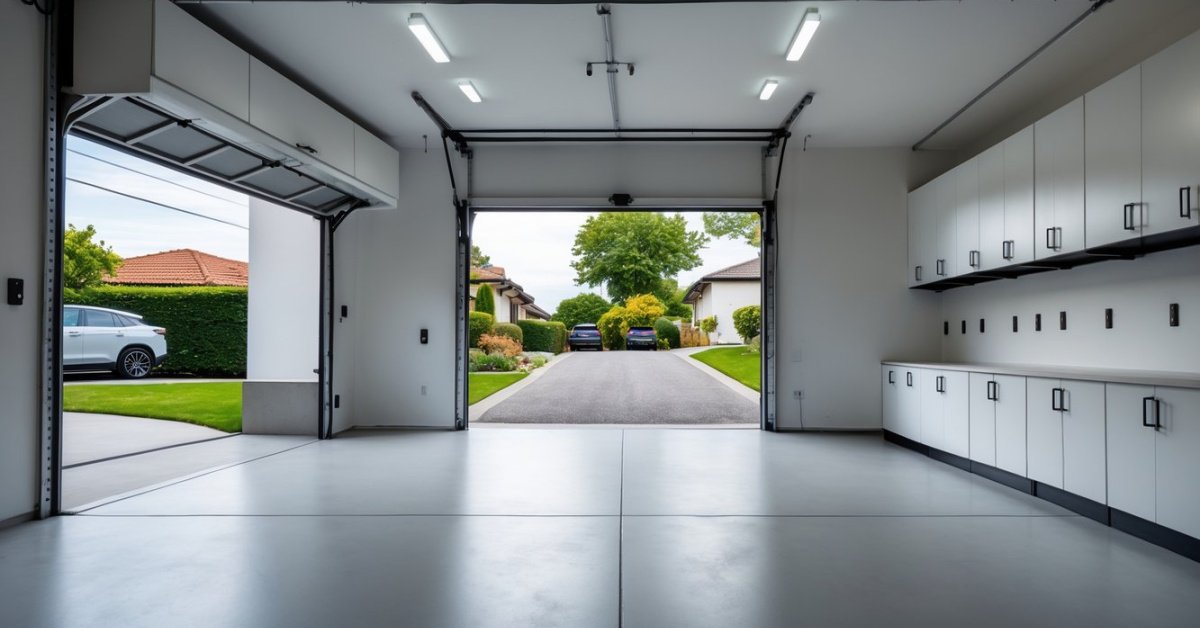
Turning my garage into a pet grooming space felt like the perfect way to blend my love for animals with a creative home project. I wanted a spot where I could pamper my furry friends without leaving the comfort of my own house. The idea of transforming an underused area into something both practical and fun really excited me.
I quickly realized that a garage offers the perfect blank canvas for a pet grooming setup. With a little planning and some thoughtful touches I could create a space that’s both functional and welcoming for pets and their owners. The possibilities seemed endless and I couldn’t wait to get started.
Benefits Of Garage Conversion To A Pet Grooming Space
Increased Usable Space
I expand a home’s functional square footage when I transform a garage into a grooming studio. Owners gain a dedicated pet care area without losing interior living space.
Enhanced Property Value
I boost property value with conversions that add specialized workspaces. Professional pet grooming facilities, such as those with dedicated sinks and waterproof flooring, attract buyers searching for versatile homes.
Dedicated Pet Care Environment
I create defined zones for grooming, reducing pet hair and dander in main living areas. Specialized garages keep cleaning supplies, dryers, and equipment organized.
Customizable Layout
I tailor layouts to suit specific grooming routines. Adjustable shelving, tub placement, and climate control options fit individual needs, improving workflow and comfort.
Reduced Commute Time
I help clients eliminate travel by relocating pet grooming to their own property. Home-based setups reduce time spent driving to external groomers.
Cost Savings Over Time
I minimize repeated grooming costs with at-home equipment access. Clients save on professional service fees by performing frequent touch-ups themselves.
Improved Hygiene Control
I install washable surfaces, efficient drainage, and proper ventilation. This boosts cleanliness, preventing odors and bacteria build-up common in shared living spaces.
Flexibility For Additional Uses
I incorporate multi-use design elements, like movable partitions or storage modules, so the space supports other hobbies or functions when not in use for grooming.
Planning Your Garage Conversion
Transforming a garage into a pet grooming space calls for strategic planning and creative use of every square foot. I focus on optimizing each area for efficiency, flexibility, and comfort, keeping both pets and owners in mind through every step.
Assessing Space And Layout
I evaluate the garage’s actual size, ceiling height, and door access before sketching new layouts. Identifying location for bathing stations, drying zones, and storage is the first step. I keep electrical outlets, plumbing potential, and existing lighting in mind when mapping out traffic flow for pets and owners. Side-by-side work areas—for example, a grooming table near the tub and drying space—cut down on movement and simplify cleaning. I check ventilation along each wall for moisture control and air quality. When I spot opportunities to build in cabinets or shelves, I note these for extra organization.
Setting A Budget
I begin by defining the scope of upgrades—plumbing installation, waterproof surfaces, electric work, insulation, and grooming equipment. Typical garage conversions for specialized spaces, like pet grooming, cost between $5,000 and $20,000 (HomeAdvisor, 2023), depending on materials and labor quality. I recommend prioritizing essentials like drainage, ventilation, and durable flooring before adding extra features. Sourcing fixtures and supplies during sales or using gently used equipment lowers expenses without sacrificing function. I always factor local permits and code compliance into estimates so clients know the full cost up front.
Key Features For A Pet Grooming Space
Garage conversions thrive on optimizing functionality and comfort. When I create a pet grooming space, I focus on three core areas: equipment, surfaces, and systems that keep the environment clean and efficient.
Essential Equipment And Tools
Essential equipment anchors the layout for grooming productivity. I install professional grooming tables with hydraulic lifts, which support breeds like Labradors up to 100 lbs. I add high-velocity dryers for rapid drying and wet/dry vacuums designed for handling pet hair. Storage cabinets organize scissors, brushes, and shampoos in labeled bins. I also place pet-safe tethers and bathing restraints to ensure safety during grooming sessions.
Flooring And Wall Considerations
Flooring materials require easy cleaning and moisture resistance. I recommend non-slip epoxy finishes, which stand up to water, cleaning agents, and pet claws. For walls, I use washable PVC panels or tile up to 4 ft from the floor, since pets often shake off water after bathing. Baseboards are coved to prevent hair, water, and debris buildup in corners.
Plumbing And Ventilation
Plumbing upgrades improve hygiene and efficiency. I install elevated tubs with handheld sprayers and stainless steel drains to accommodate pets of all sizes. Hot and cold water hookups support proper bath temperatures. I include commercial-grade floor drains to manage runoff. For air quality, I add high-capacity exhaust fans rated for at least 200 CFM and install vented windows to encourage constant airflow and reduce humidity.
Design Tips For Comfort And Efficiency
I blend function with comfort every time I convert a garage into a pet grooming haven. Thoughtful design choices make a notable difference in how smoothly every grooming session flows for both owners and pets.
Pet-Friendly Safety Features
I always install non-slip rubber mats or sealed epoxy floors so pets stay secure, even when wet. Rounded countertop edges, covered outlets, and tamper-proof latches on cabinets prevent injuries or accidents. I set up gates or partitions to keep pets from wandering into work zones, and use hands-free faucet levers so handling stays safe. Secured wall hooks and tethering points keep energetic dogs steady during washes and trims. I recommend installing smoke detectors and linking them to home alarm systems for added peace of mind.
Storage Solutions
I maximize vertical space with heavy-duty wall shelving for shampoos, towels, and grooming tools. Overhead racks hold bulky bins for seasonal or backup supplies. Pull-out drawers built into benches keep scissors, nail clippers, and blades organized but out of reach. I add moisture-resistant cabinetry for everyday essentials, placing them near work zones for fast access. Lockable cupboards store chemicals or sharp grooming equipment, protecting both children and pets from accidental contact.
Challenges And Solutions
Converting a garage into a pet grooming space presents a unique mix of obstacles. I navigate these issues with practical strategies that maximize both function and comfort.
Dealing With Zoning And Permits
Securing zoning approval and permits for garage conversions is crucial for legal compliance. Local regulations often set rules on plumbing, electrical work, business licensing, and parking. I always review municipal codes first—cities like Los Angeles and Dallas require specific permits for utility upgrades and commercial use (source: City of Los Angeles Department of Building and Safety, Dallas Building Inspection Division). Before construction, I submit detailed plans to local offices to speed up approval. For clients in HOA communities, I check association bylaws for use restrictions. Professional documentation and ongoing communication with local authorities keep conversions on track and inspection-ready.
Managing Noise And Odor
Minimizing noise and odor in garage pet grooming spaces is essential for household comfort. I use insulated drywall, acoustic panels, or dense rubber matting on walls and doors to dampen grooming equipment sounds. I recommend locating the bathing and drying zones farthest from adjoining living spaces in the garage. For odor control, I install high-capacity exhaust fans, utilize vented operable windows when possible, and seal any garage gaps with weatherstripping to prevent air transfer. HEPA-certified air purifiers and washable, antimicrobial surfaces like PVC wall panels or epoxy floor coatings tackle persistent pet dander and moisture odors. These solutions help keep the grooming zone functional and separate from the rest of the home’s environment.
Costs And Return On Investment
Converting a garage into a pet grooming space typically involves project costs from $8,000 to $25,000. Main expenses include upgrading plumbing, expanding electrical capacity, installing professional-grade equipment, and finishing walls and floors for hygiene and durability. Material options like waterproof paneling and epoxy flooring add higher upfront investment but decrease long-term maintenance outlay.
Ongoing operating costs—water, electricity, cleaning supplies, and insurance—range from $100 to $300 per month for single-user or small business setups. Choosing energy-efficient fixtures and installing quality insulation improves cost management over time.
Return on investment for a garage pet grooming space centers on increased property value and potential business income. Home resale value often rises by 5% to 10% when adding specialized work areas that align with market demand, according to Remodeling Magazine’s Cost vs. Value Report (2022 edition). In markets with high pet ownership, conversion projects attract buyers seeking extra utility and flexibility, potentially reducing time on market.
For those offering grooming services professionally, net profit after startup recoupment can average $400 to $900 per month for in-home operations, based on industry data from IBISWorld. Extra benefits include reduction in travel expenses, time savings, and better use of previously unused square footage.
| Major Cost Areas | Typical Range |
|---|---|
| Plumbing & Drainage | $1,500 – $5,000 |
| Electrical Upgrades | $1,000 – $4,000 |
| Flooring & Wall Finishes | $2,000 – $5,000 |
| Grooming Equipment | $2,000 – $7,000 |
| Storage & Organization | $500 – $2,000 |
| Permits & Professional Fees | $500 – $2,000 |
| Total Project Investment | $8,000 – $25,000 |
Optimized garage spaces create both immediate lifestyle improvements and longer-term financial advantages when matched to neighborhood expectations. Selecting durable finishes and modular layouts lets owners adapt the space for additional income-generating uses if demand shifts.
Conclusion
Taking on a garage conversion for a pet grooming space has been one of the most rewarding projects I’ve tackled at home. Watching the transformation from a basic garage to a vibrant and functional grooming area has fueled my passion for working with animals and given me a newfound appreciation for creative home solutions.
If you’re considering a similar project, I hope my experience inspires you to see the possibilities in your own space. With a bit of planning and a love for pets, you can create a place that’s both practical and enjoyable for everyone involved.


