
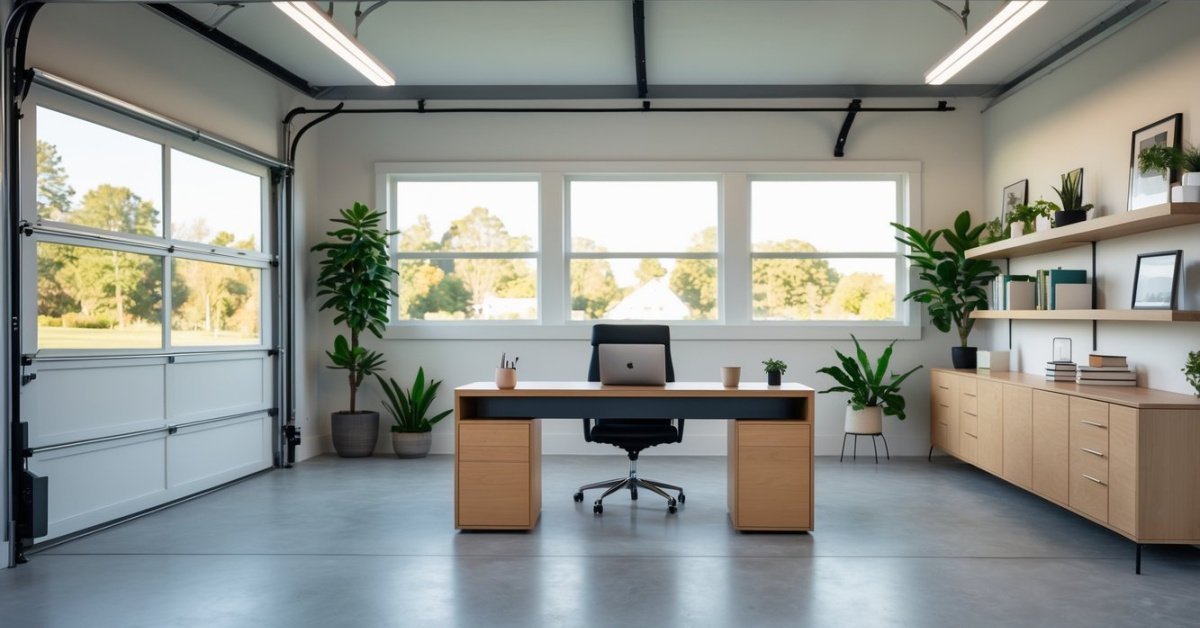
Walking into my garage and catching a whiff of something unpleasant always makes me want to turn right back around. Whether it’s musty air, lingering chemicals, or last week’s trash, those stubborn odors can turn a useful space into one I’d rather avoid. I know I’m not alone—garages seem to have a knack for trapping smells that just won’t quit.
Luckily, getting rid of those unwanted scents doesn’t have to be a big hassle. With a few simple steps and a little bit of effort, I’ve found it’s possible to freshen up any garage and make it a space I actually enjoy using. Let’s dive into how I tackle those tough odors and bring back that clean, welcoming vibe.
Common Causes of Garage Odors
- Moisture buildup: Dampness from concrete floors, poor ventilation, or water leaks drives mold and mildew growth, especially under stored boxes or carpets.
- Organic matter decay: Trash, yard waste, old food containers, pet supplies, and paint cans often sit unnoticed, creating strong decomposing smells.
- Vehicle and chemical residues: Gasoline, oil spills, antifreeze, solvents, and tire rubber produce persistent fumes, especially after repairs or routine use.
- Lack of airflow: Closed garage doors and blocked vents limit air circulation, letting musty scents linger after rain or during high humidity.
- Improperly stored items: Sports gear, seasonal clothing, and outdoor equipment—if packed away damp—release odors as they dry slowly.
- Pest infestations: Mice, insects, or raccoons sometimes nest in wall gaps or stored items, leaving droppings and odorous residue.
- Old or porous materials: Aging drywall, plywood, and concrete absorb smells over years of use, cycling odors back into the garage air.
I always check for these odor sources when designing more functional garage spaces since each element affects long-term freshness and usability.
Preparing Your Garage for Odor Removal
Preparing a garage for odor removal helps ensure an effective transformation into a more usable and fresh space. My process begins with a focused cleanup
Clearing and Decluttering
Removing everything from the garage creates access to all surfaces and corners. I sort any stored items like old boxes, bags of yard waste, and outgrown sports gear, discarding damaged or absorbent materials that often trap smells. Clean bins help organize what’s left, making it much easier to reach areas prone to odor build-up.
Identifying the Source of Odors
Pinpointing the odor source provides direction for the next steps. I inspect for pooled water near concrete cracks, check for food wrappers or spilled paint behind storage cabinets, and evaluate air movement in vent areas. I also look for any signs of rodent or insect activity that often leave lingering smells. Addressing these specific triggers always leads to a more effective and lasting odor removal plan.
Effective Methods for Removing Odors from a Garage
I transform garages into functional spaces, so removing odors always plays a big part in my process. Clean, fresh air creates a better starting point for any kind of garage optimization.
Cleaning and Disinfecting Techniques
I remove odors by deep cleaning all concrete, shelves, walls, and storage areas. I use degreasers on oil stains, scrub mold and mildew with a diluted bleach solution (1 cup per gallon of water), and disinfect doorknobs, switches, and plastic bins with EPA-registered sprays. I always target spots like floor drains, garbage bins, and pet bedding because these areas often trap odors.
Ventilation and Air Purification Options
I ventilate garages using box fans, open windows, and install louvered vents or powered exhaust fans when possible. I sometimes add window or portable air purifiers with HEPA filters for quicker results. I make sure storage layouts don’t block vents or airflow paths, so odors won’t linger in corners and behind large items.
Natural Remedies and Deodorizers
I use activated charcoal bins, baking soda trays, or odor-neutralizing gels for ongoing odor control in optimized garages. I add open bowls of white vinegar for 24 hours to neutralize smoke or chemical smells. I use cedar blocks inside cabinets and small closets, and citrus peels or coffee grounds for a fresh, non-chemical scent whenever I stage a transformed space.
Preventing Odors From Returning
Keeping odors out of your garage relies on consistent routines and smart systems. I use proven strategies that protect both the air quality and functionality of any garage I optimize.
Regular Maintenance Tips
Routine cleaning stops new odors from developing. I sweep, mop, and wipe down garage floors and surfaces every 2-4 weeks, focusing on corners and areas near storage racks for best results. Checking and removing trash, clutter, or old boxes once a week eliminates hidden sources of unwanted smells. I inspect for water leaks and fix moisture issues within 24 hours to prevent mold. Ventilating the space regularly, especially after rain or intense projects, promotes airflow and keeps musty scents away.
Regular Maintenance Table
| Task | Frequency | Area Focused |
|---|---|---|
| Sweep/Mop Floors | Every 2-4 wks | Corners, under racks, main path |
| Empty Trash/Clutter | Weekly | Trash bins, storage zones |
| Check for Moisture/Leaks | After rain | Floor edges, walls, under vehicles |
| Disinfect Surfaces | Monthly | Doorknobs, tool handles, drains |
| Ventilate | Weekly | Open doors, use fans, window vents |
Storage Solutions
Effective storage limits clutter-related odors. I prefer off-floor storage options such as wall-mounted shelving and ceiling racks because raising items off concrete prevents moisture absorption and hidden spills. Airtight bins for sports gear, pet food, and chemicals trap odors inside and prevent them from spreading. Labeling bins allows quick sorting and removal of items that could go bad. I always design storage zones near entry points for cleaning supplies or trash so every family member can keep the space fresh between cleanings. Grouping similar items—like recycled bottles, oily rags, or paint—simplifies containment and odor checks during regular maintenance.
Space optimization works hand-in-hand with odor prevention when you integrate these tactics into your garage layout.
Conclusion
A fresh-smelling garage really does make a difference in how I use and enjoy the space. With a bit of effort and some simple habits, I’ve found it’s easy to keep odors at bay and create a garage that feels clean and inviting.
If you’re tired of holding your breath every time you walk in, give these steps a try. You might be surprised by how much more welcoming your garage becomes—and how much more you’ll want to spend time there.


