
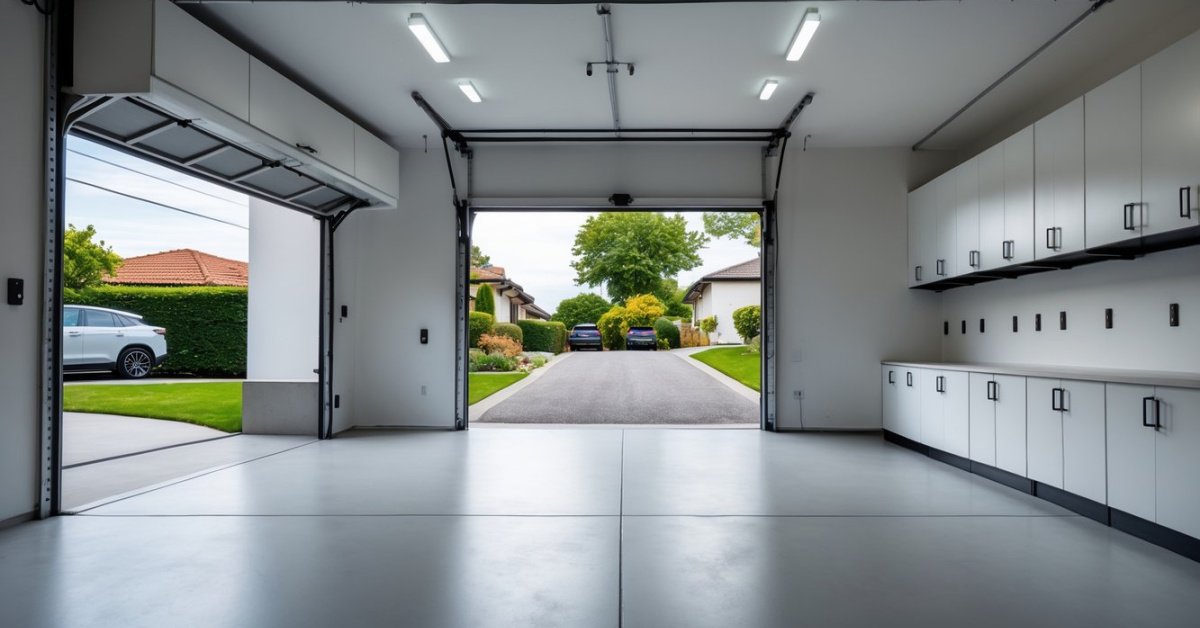
Every time I step into my garage I’m reminded of just how quickly clutter can take over. Tools, sports gear and random odds and ends seem to multiply overnight. I know I’m not alone in wanting a space that’s both tidy and functional—without spending a fortune.
That’s why I love rolling up my sleeves and tackling DIY storage projects that actually fit my budget. It’s amazing how a few clever ideas and some basic materials can transform chaos into order. If you’re ready to reclaim your garage and keep your wallet happy you’re in the right place.
Benefits Of DIY Garage Storage Projects On A Budget
Making DIY garage storage projects on a budget lets me customize storage to unique spaces and specific needs, which off-the-shelf solutions can’t match. Building my own shelving, cabinets, or racks costs less than buying pre-made options, especially when I use reclaimed wood, leftover hardware, or secondhand materials. Saving on expenses means I can tackle more projects or invest in higher-quality tools for other areas of the home.
Optimizing garage storage with DIY methods also improves space efficiency. Installing vertical shelving above doorways, adding wall-mounted organizers for tools, or building stackable bins helps me reclaim underused corners and keep high-traffic paths clear. Clients see quick gains in both floor space and visibility, with less time spent searching for items.
Custom DIY projects give more control over quality and safety. By anchoring shelves directly to studs and designing for the types of items I store—like bikes, garden gear, or paint cans—accumulated clutter doesn’t create safety hazards. A tidy, mapped-out system also makes it easy to maintain order without constant effort.
Investing time in creative and budget-friendly storage projects increases home value and garage functionality at the same time. Organized garages appeal to potential buyers and can serve as workshops, home gyms, or hobby spaces using smart, cost-effective solutions.
Planning Your Budget-Friendly Garage Storage
Every organized garage project I complete starts with a clear plan and a focus on value. Careful preparation and understanding of your needs help turn any cluttered area into a streamlined, useful space without overspending.
Assessing Your Storage Needs
I always assess the current garage inventory before suggesting any storage solutions. Common categories include sporting equipment, gardening tools, seasonal décor, and automotive supplies. By grouping similar items together—for example, cycling gear, hand tools, or holiday lights—I find it easy to determine what’s truly necessary and remove duplicates. Measuring available floor and wall space helps me identify hidden storage potential. Open ceilings and unused corners, especially above doors or workbenches, often provide overlooked opportunities for vertical or overhead storage.
Setting A Realistic Budget
I set a specific maximum dollar amount for each project phase, basing estimates on material costs and existing inventory. Creating a cost breakdown for components like shelving, bins, hooks, and fasteners shows where the budget stretches furthest. I check local listings and reuse centers for affordable lumber, brackets, or cabinets that keep expenses down. By prioritizing high-impact projects first—for example, wall-mounted shelving or ceiling racks—I ensure every dollar spent directly increases garage functionality. Tracking every cost, from paint to screws, prevents surprises and helps focus resources on solutions that optimize both space and budget.
Essential Tools And Materials For DIY Projects
Choosing the right tools and materials streamlines garage storage projects and cuts overall costs. I recommend starting with a small collection of versatile hand tools before expanding as needed.
Basic Hand Tools
- Measuring tools: Tape measures (at least 25 feet) and carpenter’s squares help with precise planning and layout.
- Cutting tools: Handsaws, utility knives, and a circular saw can handle basic wood and board cuts for most garage shelving projects.
- Fastening tools: Cordless drills, screwdrivers, and hammers cover most assembly needs for wall racks, shelves, and workbenches.
- Marking tools: Pencils, chalk lines, and levelers ensure accurate lines and stable builds.
- Safety gear: Work gloves, safety glasses, and dust masks keep me protected during cutting and installation.
Essential Materials
- Reclaimed lumber: Old pallets, surplus wood, and leftover construction boards lower build costs and add durability to shelving and racks.
- Plywood sheets: I use 1/2″ or 3/4″ thick plywood for drawer bases, small cabinets, and tool organizers.
- Metal brackets: L-shaped brackets and shelf braces reinforce wall shelving and adjustable storage systems.
- Pegboards: Panels with a grid of holes support hooks for organizing tools, hoses, or extension cords.
- Plastic bins: Stackable totes and clear containers make sorting seasonal or less-used items simple to access.
Budget-Friendly Sourcing Options
- Habitat ReStores: These nonprofit outlets often stock surplus hardware, plywood, and paint at steep discounts.
- Online classifieds: Craigslist and Facebook Marketplace offer inexpensive garage racks, used cabinets, and bulk bins.
- Local buy-nothing groups: Community exchanges frequently list surplus shelving, containers, and free hand tools.
Quick Reference Table
| Item Type | Examples | Typical Source |
|---|---|---|
| Hand Tools | Drill, saw, tape, level | Hardware stores, yard sales |
| Materials | Lumber, plywood, pegboard, bins | ReStores, online listings |
| Safety Equipment | Gloves, goggles, dust mask | Hardware stores, discount aisles |
Selecting these tools and materials first gives each project a strong foundation and lets me adjust or expand storage as garage needs change over time.
Simple Shelving Solutions
Simple shelving systems can multiply garage storage capacity and declutter floors. I design and install shelves that fit nearly any budget, using smart placement and durable materials to maximize vertical space.
Wall-Mounted Shelves
Wall-mounted shelves add storage without consuming floor space. I use sturdy L-brackets and reclaimed wood planks for most garages, which keeps costs low and holds heavy items like paint cans, bins or power tools. Anchoring brackets into wall studs boosts weight capacity—most 2-inch wood screws in stud walls handle up to 50 pounds per bracket. I stagger shelf heights to fit larger items, including coolers or camping gear. For small budgets, I repurpose old bookshelves or pallets; these materials mount easily after minor reinforcement. Adjustable shelving tracks allow quick shelf configuration changes as storage needs grow.
Overhead Storage Ideas
Overhead storage takes advantage of often-unused ceiling space. I build basic loft-style shelves with 2×4 lumber and plywood, suspended from rafters using lag bolts or steel brackets. Each four-foot overhead shelf carries up to 200 pounds if anchored securely. I space racks above the garage door, where seasonal bins or sports gear remain out of the way. Heavy-duty utility hooks hold bikes, ladders, or extension cords near the ceiling. For extra frugality, I modify surplus industrial shelving or construct wire shelving platforms from salvaged materials, creating reliable overhead zones on a slim budget. I always confirm that joists or rafters can safely support the added weight before installation.
Creative Repurposing For Garage Organization
Creative repurposing lets me stretch every dollar while adding personality to garage projects. I always aim to optimize space with inventive, practical uses for existing items.
Using Recycled Materials
Recycled materials form the backbone of budget garage solutions. I incorporate reclaimed wood from shipping pallets or old construction for robust shelving, workbench tops, or wall-mounted racks. I often salvage surplus PVC pipe to create vertical storage for rakes, brooms, or fishing poles. Metal coffee cans and glass jars make reliable hardware bins for screws, nails, and bolts, especially when mounted beneath shelves for visibility. Materials I pick up from building demolition or neighbors’ renovation projects let me adapt dimensions to fit custom garage layouts, which boosts storage and cuts down on new purchases.
Upcycling Old Furniture
Old furniture pieces become high-value storage assets when upcycled. I turn used dressers into multi-drawer tool chests, removing drawers for open cubbies if larger items need storage. I usually add casters to small bookcases, turning them into mobile utility carts. Solid wood headboards or bed frames convert into bike racks, garden tool hangers, or pegboard backers. Kitchen cabinets that might otherwise head to landfill work well as closed garage storage above workbenches, keeping supplies dust-free. By integrating leftover furniture in fresh ways, I optimize garage utility without added material costs.
Space-Saving Storage Ideas
Maximizing vertical and compact spaces dramatically improves garage efficiency on a small budget. I use proven techniques and materials to help homeowners transform underused areas into high-capacity storage zones.
Pegboards And Tool Racks
Pegboards and tool racks organize hand tools and hardware for easy visibility and access. I mount heavy-duty pegboards directly onto studs, supporting weight from hammers to power drills. Standard pegboard systems cost under $30 at big box stores or less from salvage suppliers—examples include 24″×48″ panels and customizable metal racks. By integrating hook assortments and custom shelf attachments, I ensure that pliers, screwdrivers, and specialty tools stay within reach and off valuable work surfaces. Magnet strips and small accessory bins clipped below pegboards keep fasteners contained. Modular pegboard layouts scale for larger collections, perfect for frequent tinkerers or home mechanics.
DIY Cabinets And Drawers
DIY cabinets and drawers conceal bulkier supplies and optimize corner spaces often ignored in cluttered garages. I build base cabinets from reclaimed plywood or offcuts, reinforcing frames with metal brackets for durability. Sliding drawers work well for consumables, extension cords, and paint cans—offering protection from dust and curious pets. For tight budgets, I retrofit old kitchen cabinets sourced from remodeling jobs or resale markets; these secure edgers, gardening gloves, and smaller parts behind closed doors. Floating wall cabinets use vertical clearance above workbenches, giving immediate access to cleaning supplies or seasonal gear while freeing floor space below. I always install cabinet locks when lawn chemicals or power tool batteries require safety. With compact, custom storage, garages stay clean and everything finds its place.
Tips For Maintaining An Organized Garage
Keep categories defined for every group of stored items to ensure quick access. I assign clear zones for sports gear, gardening tools, and hardware, then label each bin or shelf to prevent confusion later. Consistent labeling stops items from drifting between zones and helps family members stick to the system.
Return everything to its zone after each use, since even a single misplacement can start a new pile. I always make sure tools go back on their peg hook and seasonal décor returns to its assigned shelf before I close up for the day.
Schedule routine checks, allocating a specific weekend each season for reorganization. During these checks, I check for overflow, consolidate duplicates, and refresh labels if they’ve faded or shifted out of place.
Sweep surfaces and clear debris every month for safety and access. I spend fifteen minutes sweeping workbenches, clearing shelf dust, and removing any items left on the floor, since a clear garage floor prevents trip hazards and extends storage life.
Purge unused or broken items twice a year, using a simple keep-toss-donate system. I set up three bins, quickly review each category, and move out what no longer fits my needs, since clutter accumulates fastest when projects end or hobbies change.
Refit or adjust storage as needs evolve, selecting modular systems or adjustable shelving wherever possible. I use brackets or stackable bins so storage can grow or shrink along with my family’s interests and garage activities. This flexibility helps me maximize every inch even as my storage demands shift over time.
Conclusion
Tackling garage clutter doesn’t have to drain your wallet or overwhelm your weekends. With a little creativity and resourcefulness, I’ve found that it’s possible to transform any garage into a tidy, functional space that truly works for you.
I hope these budget-friendly DIY ideas inspire you to roll up your sleeves and start organizing. Remember, every small change adds up and your garage can become one of the most useful—and enjoyable—spaces in your home.


