
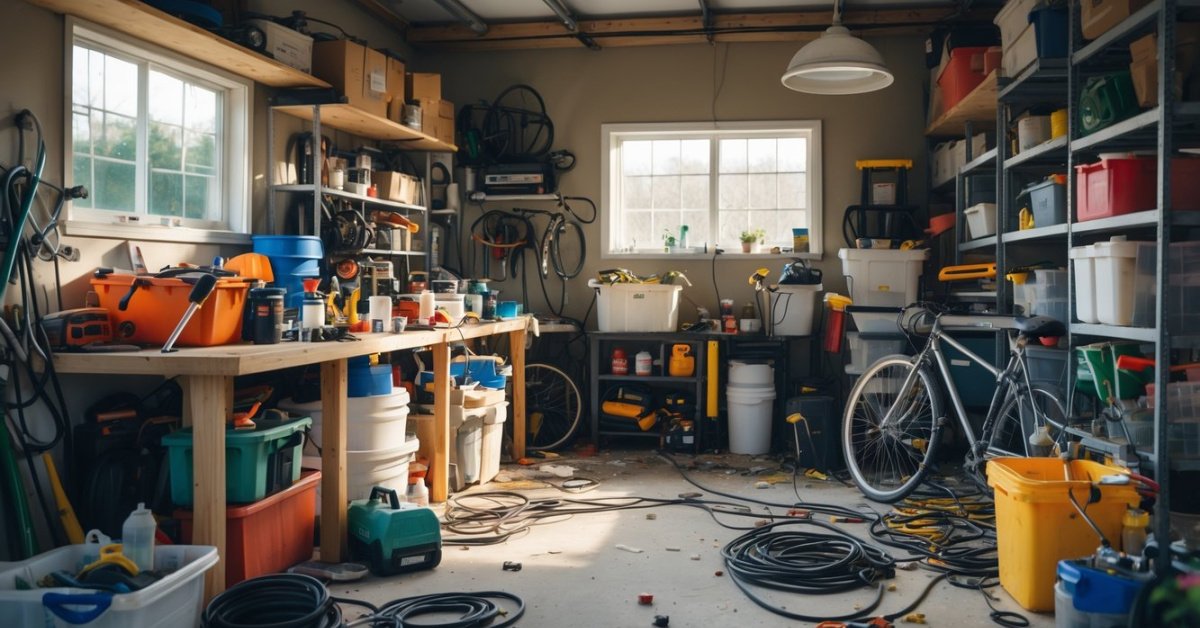
When I’m working in my garage workshop there’s nothing quite like the satisfaction of building or fixing something with my own two hands. But with all the tools and projects scattered around it’s easy to forget just how important electrical safety really is. One small mistake can turn a fun afternoon into a dangerous situation in seconds.
I’ve learned that a little caution goes a long way when it comes to electricity. Whether I’m plugging in a new power tool or just flipping on the lights I always keep safety at the top of my mind. Staying aware and taking a few simple steps can help keep my workspace safe and my projects on track.
Understanding the Importance of Electrical Safety in Garage Workshops
Every garage workshop I transform relies on stable and safe power before it becomes truly functional. Electrical safety in garage workshops safeguards people and property. Faulty wiring creates fire hazards, and overloaded power strips risk circuit failures—both hidden dangers in many garages I’ve seen. Unmarked outlets, tangled extension cords, and DIY electrical fixes often pop up as I optimize garage spaces.
Workshops that use high-powered tools, like table saws and air compressors, require ample grounded outlets and dedicated circuits. Improper electrical setups limit how you can use your space and expose you to shock risks. Certifying outlets with ground-fault circuit interrupters (GFCIs) protects from electrical shocks if moisture enters the area—essential in garages since water and conductive dust frequently mix.
Correct labeling and grouping of circuits simplify future upgrades or troubleshooting. Clear labeling saves owners and contractors time and prevents accidental overloads during future optimizations.
Local electrical codes and regulations don’t simply exist for compliance—they address real dangers that often appear in home garages. Following them means each outlet, wire, and breaker contributes to a workspace that’s safe and ready for any creative project or storage need.
Common Electrical Hazards in Garage Workshops
Optimizing a garage for better use always means managing electrical safety at every stage. Electrical hazards affect efficiency, tool longevity, and most importantly, personal safety in the workspace.
Overloaded Circuits and Extension Cords
Overloaded circuits and extension cords create some of the most common risks in upgraded garage workshops. Multiple high-powered tools, such as table saws and compressors, connected to the same circuit often exceed capacity, causing breakers to trip. Extension cords not rated for heavy loads can overheat—I’ve seen insulation melt on cords used for large shop vacuums and heaters, which then creates a significant fire hazard. Choosing surge protectors and properly rated cords prevents circuit overload issues with high-draw equipment.
Faulty Wiring and Outdated Equipment
Faulty wiring and outdated equipment are frequent hazards in garages that were built before 1990 or never updated for modern appliance loads. I’ve often found damaged insulation, frayed wires, or corroded outlets during garage conversion projects, especially where moisture or pests gained access. Outdated breakers or fuse boxes fail to protect against short circuits or surges, allowing risks to linger unnoticed. Upgrading to modern electrical panels and replacing all questionable wiring brings every outlet and light fixture up to current standards and keeps the space safe for all uses.
Improper Use of Electrical Tools
Improper use of electrical tools leads to shocks, burns, or damaged equipment, particularly when tools lack three-pronged (grounded) plugs or users bypass built-in safety features. Plugging a double-insulated drill into a non-GFCI outlet in a damp corner increases the chance of shock incidents. I always recommend using tools with clearly labeled power ratings and never bypassing safety switches, since cutting corners with tool usage directly impacts both project quality and workshop safety.
Essential Electrical Safety Practices
Optimizing any garage for efficiency always starts with prioritizing electrical safety. I focus on tried-and-true practices that keep garage workshops productive and hazard-free.
Regular Inspection and Maintenance
I inspect electrical systems and equipment every 6 months to catch wear, damage, or outdated features before they become risks. I look for cracked insulation, frayed cords, loose outlet covers, and scorch marks around outlets—each a warning for replacement or repair. I test circuit breakers, check for GFCI function, and verify outlet grounding with a tester. In garages converted to workshops, I maintain schedules for professional inspections every 2 years.
Safe Handling and Storage of Electrical Tools
I store electrical tools like drills, saws, and sanders in dry, secure cabinets above floor level, limiting exposure to moisture that causes corrosion or shorts. I unplug each tool after use and coil cords loosely to prevent kinks. When handling tools, I inspect plugs and cables for defects, and I clean tool housings after every project for dust and debris buildup. I use wall-mount racks and compartmentalized storage to separate heavy-duty power tools from lighter hand tools, maximizing both space and safety.
Installation of Ground Fault Circuit Interrupters (GFCIs)
I install GFCIs on every accessible outlet in garages, especially near workbenches and sinks, where water and electricity may mix. I choose wall-mounted outdoor GFCI outlets for garages integrated with laundry spaces or exterior doors. After installation, I test each GFCI monthly by pressing the “Test” and “Reset” buttons to confirm protection stays active. When retrofitting older garages, I replace ungrounded or non-GFCI outlets based on electrical code requirements and project needs, ensuring every part of the workspace meets current safety standards.
Personal Protective Equipment for Electrical Safety
Gloves resist electric shock in garage workshops if they’re made from insulating rubber rated for electrical work. I choose gloves that meet ASTM D120 standards to make sure I’m reducing risk when handling live circuits or wiring.
Safety glasses block flying debris, sparks, and accidental splashes from my face during electrical repairs. I pick glasses rated ANSI Z87.1 for effective protection while working with wire cutters or power tools around exposed wiring.
Insulated footwear isolates me from grounded surfaces, cutting down shock risk on concrete garage floors. I look for boots with non-conductive soles and electrical hazard (EH) ratings to match the demands of busy home garage conversions.
Arc-rated clothing shields my skin if sudden faults or electrical arcs occur while converting older garages with unknown wiring. I pick arc flash-rated long sleeves and pants with a minimum arc rating (ATPV) of 4 cal/cm² in low-voltage residential environments.
Hearing protection minimizes noise-related injuries from power tool motors and circuit testing tools. I use earmuffs or plugs with a 20–30 dB noise reduction rating when converting multi-purpose garage spaces where power saws and grinders run near active electrical work.
Face shields give full-face coverage in tasks like circuit panel upgrades or when removing old, rusted junction boxes. I pair shields with my safety glasses for extra defense against unexpected sparks and fragments.
Respirators protect my lungs from dust and airborne particles created when drilling around outlets or conduits. I opt for N95 or better respirators when garage upgrades involve cutting drywall or working with aging insulation alongside electrical projects.
Awareness of PPE use keeps every garage transformation safe, whether I’m optimizing workflow, adding new outlets, or upgrading lighting. Every project gets a PPE check before work begins, making space safer and more useful for every owner.
Creating an Emergency Response Plan
Establishing a clear emergency response plan helps maintain electrical safety in garage workshops. I always outline easy-to-follow steps so owners know what actions to take when facing electrical incidents, fires, or injuries. Every efficient plan includes these main parts:
- Contact Information: I post a visible list of first responders, like local fire departments, ambulances, and poison control centers, near workshop entrances and main workstations.
- Power Shut-Off Procedures: I label main breakers and show clients how to cut power quickly. Fast disconnection prevents further shocks or fires after an electrical accident. I recommend adding signage and occasionally reviewing switch locations during regular walk-throughs.
- Evacuation Route Mapping: I design and mark the safest exit routes to avoid electrical panels and large tools. For larger garages, I draw simple floor maps with arrows to exits, keeping doorways free of clutter or stored materials.
- Fire Response Steps: I choose and install Class C fire extinguishers, placing them within 30 feet of high-risk areas. I remind owners not to use water on electrical fires since this increases shock risks. I install smoke and heat detectors for early warning.
- First Aid Supplies and Usage: I set up wall-mounted first aid kits that include burn ointment, sterile dressings, rubber gloves, and breathing barriers. I run quick demonstrations on electrical burn care and CPR during the initial conversion walkthrough.
- Post-Incident Reporting and Review: I keep an incident report form in workshop files and recommend documenting every emergency or near-miss. Reviewing these reports helps identify trends or problem areas for future upgrades.
Connecting emergency planning with regular safety drills maintains preparedness. I suggest scheduling basic reviews for all users every six months or after major equipment changes. This keeps the plan relevant and garage users confident during critical moments.
Conclusion
Keeping my garage workshop safe means staying alert and making smart choices every time I plug in a tool or start a project. I know that electrical safety isn’t just about following rules—it’s about protecting myself and everyone who steps into my workspace.
By making these habits second nature I can focus on what I love most—building fixing and creating—without unnecessary risks. My workshop is a place for inspiration and progress and I want to keep it that way for years to come.


