
When winter hits hard I know how important it is to keep snow shovels ice melt and snow blowers close at hand. But if my garage turns into a cluttered mess finding what I need in a hurry becomes a real challenge. I’ve learned that smart storage solutions can make all the difference when I’m racing against a winter storm.
I want my garage to work for me not against me. With a little planning I can create a spot for every tool and keep walkways clear so I’m ready to tackle snow whenever it piles up. It doesn’t take much to transform chaos into order and I’m excited to share how simple changes can help anyone stay prepared all season long.
Importance Of Proper Garage Storage For Snow Removal Equipment
Proper garage storage for snow removal equipment improves both efficiency and safety in the home garage. Quick access to shovels, ice melt, or a snow blower saves time during storms, especially in regions with unpredictable winter weather like the Midwest or Northeast. Organized arrangements help prevent accidental damage to tools and vehicles by keeping paths clear of clutter.
Effective storage also extends the life of snow removal tools. Dry and designated spaces help prevent rust on metal edges or corrosion in gas-powered blowers. For example, I create wall-mounted racks that keep shovels elevated, or install ventilated shelving for salt and ice melt.
Clutter-free floors reduce injury risks for homeowners and families. Organized layouts ensure that no one trips over equipment in low light or as they hurry outside. Optimized systems like sturdy hooks, ceiling hoists, or custom cabinets allow me to make even small garages functional during winter.
I’ve seen home values rise when prospective buyers notice an efficient, multipurpose garage. Creative storage demonstrates a well-maintained home, which appeals to those facing harsh winters. Proper systems mean equipment remains ready anytime a snowstorm hits, providing peace of mind for garage owners.
Key Features To Look For In Garage Storage Solutions
When I design garage storage for snow removal equipment, I focus on key features that protect your investment and make winter prep easy. These features create a smarter, safer, and more functional garage for both homeowners and their snow gear.
Durability And Weather Resistance
Snow removal equipment storage needs durability and weather resistance. I select storage solutions made from powder-coated steel, heavy-duty plastic, or treated wood to withstand fluctuating temperatures and humidity. High-quality coatings protect against moisture—essential for preventing rust on shovels and corrosion on snow blower parts. For clients in high-snow regions like Minnesota and upstate New York, I recommend storage systems labeled for outdoor or commercial use. These systems keep tools protected even in unheated garages.
Space Optimization And Accessibility
Optimized storage maximizes every cubic foot of garage space. I use wall-mounted racks, overhead shelving, and modular pegboard systems to reserve floor space for larger equipment like snow blowers. Vertical storage racks store long-handled tools—examples include snow shovels, ice scrapers, and push brooms—while adjustable hooks can hold bags of ice melt on shelving near the garage entry. I integrate rolling bins with lockable casters to provide mobile options for salt, traction aids, or wet gear. By placing daily-use items at chest height and seasonal gear higher up, access remains quick and simple, especially when storms hit.
Safety And Organization
Effective garage storage creates a safe, organized work zone. I ensure hazardous materials—such as ice melt, de-icer sprays, and fuel for snow blowers—get stored in marked, childproof containers on ventilated shelves. I route extension cords and power tool cables through cord management clips and keep them stored above water-prone areas to reduce tripping risks. Visible tool outlines and color-coded storage bins help clients locate equipment fast and return items to their proper spot. These organization systems help families avoid accidental injuries in crowded, low-light garages, which makes winter mornings less stressful.
Top Garage Storage Options For Snow Removal Equipment
I’ve seen firsthand how the right garage setup lets homeowners manage winter gear with very little hassle. Using specific storage options, I keep snow shovels, salt spreaders, and blowers clean, protected, and easy to grab, even during the harshest storm.
Wall-Mounted Racks And Hooks
Wall-mounted racks and hooks keep bulky gear off the floor and within reach. I mount heavy-duty steel racks close to the door for fast snow shovel access, even when the garage is packed. Rubber-coated hooks hold roof rakes, pushers, and extension cords. Using vertical space, I create storage for long-handled tools and prevent tripping hazards—a must for safe winter movement. Magnetic tool holders help with small metal gear, keeping even ice scrapers organized for quick use.
Shelving Units And Cabinets
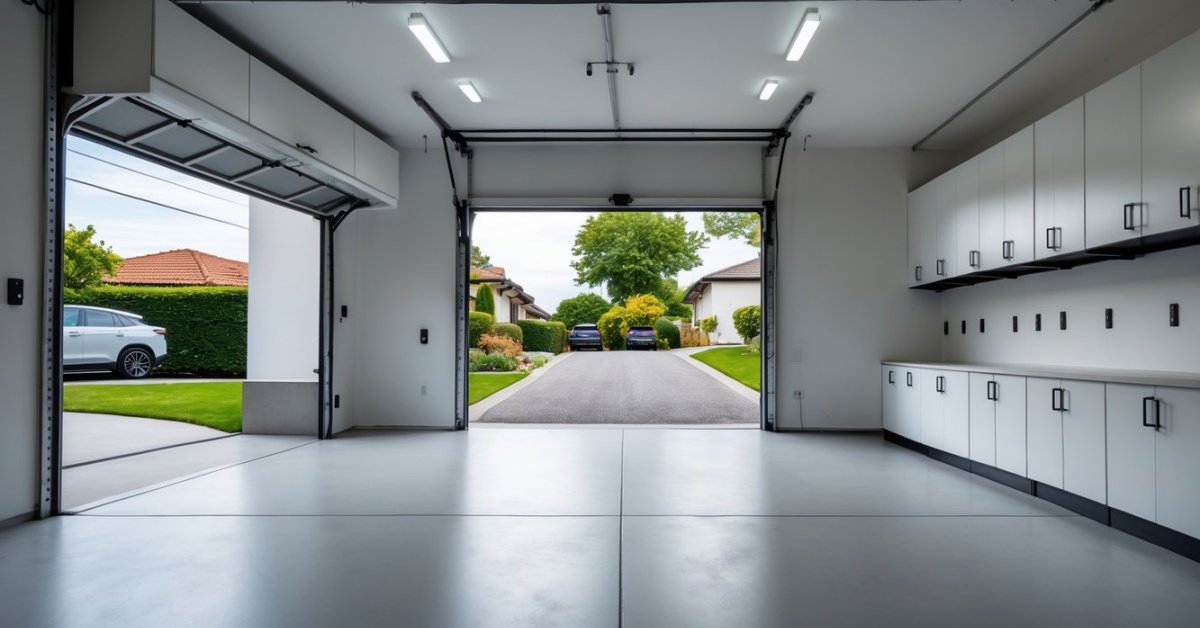
Shelving units and cabinets in powder-coated steel or commercial-grade plastic resist corrosion from road salt and slush. I install deep shelves for bags of ice melt, and high cabinets keep chemicals locked away from pets and kids. Adjustable shelving lets me tailor storage to different tool sizes—one side for snow broom heads, another for glove bins. Labeled, ventilated bins beneath shelves store hats, traction cleats, and spare parts, letting owners spot and access supplies without delay.
Ceiling-Mounted Storage
Ceiling-mounted storage makes use of vertical space above parked vehicles or walkways. I fit overhead racks for seasonal snow blower attachments or infrequently used salt spreaders. Pulley-assisted ceiling hoists lift and lower heavy gear, like snow blower ramps, with almost no risk of injury. By raising seldom-used items higher, I keep prime ground-level space open for daily essentials, improving garage flow all winter.
Tips For Maintaining And Organizing Snow Removal Equipment In The Garage
I always advise homeowners to keep snow removal equipment in top condition and arranged for quick access before storms hit. Consistent maintenance and creative organization keep the garage efficient and ready for winter.
Cleaning And Prep Before Storage
I thoroughly clean all snow removal equipment before storing it in the garage. Brushes and shovels get full rinses to remove salt, grime, and moisture, which prevents rust and corrosion. I check metal edges for chips, then coat them with a silicone spray or light oil if blades look vulnerable. For snow blowers, I empty fuel tanks or add stabilizer, check cables, and wipe exposed parts. Storage bins labeled for de-icer and rock salt stop spills and help control humidity around sensitive gear. I inspect all items for wear before putting each in its dedicated space, making the next use seamless.
Seasonal Rotation And Easy Access
I rotate my garage storage zones seasonally so snow removal equipment stays up-front from November through March. Wall-mounted racks and heavy-duty hooks close to the garage door keep shovels and pushers reachable after a storm. Mobile shelves or carts make it easy to reposition smaller tools and de-icer when the season changes. I swap out summer tools for winter equipment, placing off-season items higher up or farther back. Visual markers like color-coded hooks speed up retrieval and help every family member spot what they need, even in dim winter lighting.
Pros And Cons Of Popular Garage Storage Solutions
I find that every garage setup changes with the choice of storage system, so it’s important to look at the tradeoffs before making the call. Here are the main strengths and weaknesses of the most common solutions I install for snow removal equipment.
Wall-Mounted Racks And Hooks
Pros:
- Maximize wall space, keeping shovels, push brooms, and snow brushes off the floor.
- Quick tool visibility and access, especially for items used daily in winter.
- Easy install and reconfiguration for changing needs.
Cons:
- Limited support for very heavy equipment like some snow blowers.
- Require solid walls or stable studs for safe mounting.
- Exposed tools can collect dust if not used for a while.
Shelving Units (Freestanding Or Wall-Mounted)
Pros:
- Store bulkier gear or containers, like salt bags and accessory bins.
- Accommodate adjustable heights for various tool sizes and storage boxes.
- Heavy-duty materials (e.g., powder-coated steel) resist corrosion and water damage.
Cons:
- Take up more floor space than vertical solutions.
- Overloaded shelves may bow or create tipping hazards if not anchored.
- Items at the back may be harder to access quickly.
Overhead Ceiling-Mounted Storage
Pros:
- Use overhead space for infrequently needed items, like snow tires or backup salt.
- Keep the garage floor clear, which reduces tripping hazards.
- Modular options allow flexible placement above cars or walkways.
Cons:
- Challenging to access for daily-use tools, requiring step stools or ladders.
- Weight limits restrict storage to midweight items only.
- Poor fits in garages with low or angled ceilings.
Cabinets (Lockable Or Open)
Pros:
- Secure hazardous items like ice melt and fuel additives away from kids or pets.
- Conceal clutter, creating a tidier, streamlined look.
- Protect sensitive tools from dust and moisture with rubber gasket seals
Cons:
- Bulkier footprints, reducing maneuverable space near doorways.
- May cost more and take additional install time.
- Doors and locks create extra steps for quick access during storms.
Pegboards And Modular Panel Systems
Pros:
- Customizable layouts for all tool sizes with hooks, baskets, and holders.
- Visual tool organization cuts down on search time during emergencies.
- Quick swapping and reorganization for changing winter needs.
- Lower weight capacity than heavy-duty hooks and racks.
- Small accessories can fall off if not secured tightly.
- Require routine upkeep to keep the system organized and clear.
| Solution Type | Pros | Cons |
|---|---|---|
| Wall-Mounted Racks & Hooks | Maximize wall space, easy access, flexible layouts | Limited heavy support, dust, needs solid mount |
| Shelving Units | Store bulk items, durable, adjustable heights | Uses floor space, hard rear access, may tip |
| Overhead Ceiling-Mounted | Uses vertical space, clears floor, modular | Hard to reach, weight limits, ceiling constraints |
| Cabinets | Secure/lockable, tidy look, protects tools | Bulky, costly, slower access |
| Pegboard/Modular Panel | Custom layouts, visual, fast reorganization | Lower capacity, parts may fall, needs upkeep |
When optimizing garage storage for snow removal equipment, I always tailor the mix of these options to fit each client’s tools, habits, and garage layout. Context matters—what works for a suburban 2-car space may not make sense for a compact city garage.
Conclusion
When I take the time to organize my garage for snow removal season I notice just how much smoother everything goes. It’s not just about having a spot for every tool—it’s about making winter mornings less stressful and safer for everyone in my home.
With a little planning and the right storage solutions I can spend less time searching for gear and more time tackling what winter throws my way. Staying on top of maintenance and organization really pays off when the next snowstorm hits.


