
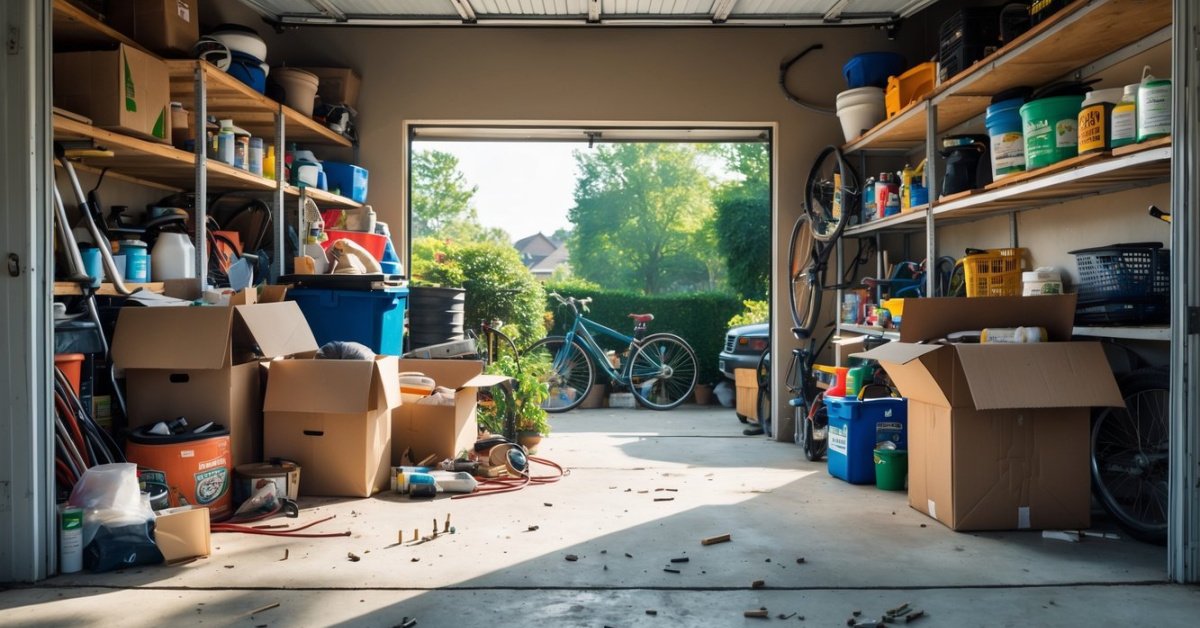
When I step into my garage workshop I want it to feel like a space where any project can come to life. Whether I’m fixing up an old bike building furniture or tinkering with electronics having a flexible layout makes all the difference. There’s nothing more satisfying than knowing I can switch gears without tripping over clutter or searching for tools.
Designing a garage workshop that handles multiple projects might sound tricky but it doesn’t have to be overwhelming. With a little planning I can turn even a small space into a productive hub that supports all my creative ideas. It just takes some smart organization and a few clever layout choices to make every project feel possible.
Understanding the Challenges of a Multi-Project Garage Workshop
Managing diverse garage workshop projects creates competing demands for space, time, and safety. I’ve seen overlapping needs for storage, workspace access, and tool sharing limit what owners can accomplish.
Balancing Space Allocation
Maximizing space for multiple projects often means allocating zones for similar workflows. Project overlap, like woodworking next to auto repair, exposes materials and tools to sawdust or fluids, which can result in damage or delays. I separate messy stations—such as sanding or oil changes—from clean assembly zones to keep all projects on track.
Organizing Tools and Materials
Streamlining tool and material storage cuts down on searching and setup time. In multipurpose garages, shared tools like drills or benches can slow progress if they’re not easily accessible. I select modular storage, such as wall-mounted racks and rolling carts, keeping essentials near project zones. This lets me pivot projects with minimal reset.
Managing Workflow Conflicts
Keeping simultaneous projects running smoothly means minimizing workflow bottlenecks. When two projects require the same bench or power outlet, progress stalls. I map traffic patterns and task sequences to spot conflicts early. Using fold-down tables or movable workbenches, I reclaim floor space and reduce overlap.
Maintaining Safety Standards
Multiple activities boost safety hazards, especially when painting meets grinding or electrical work. I separate flammable materials, establish dedicated ventilation near chemical work, and mark clear aisles for quick movement. Safety becomes more critical as workshop diversity grows.
Adapting to Changing Needs
Project variety means needs shift seasonally or with new hobbies. Fixed layouts get in the way of future upgrades or spontaneous builds. I design with adaptability in mind, introducing mobile storage and adjustable shelving for easy reconfiguration.
Constraints emerge from the challenge of balancing flexibility, access, safety, and organization within limited square footage. I approach each multipurpose garage with a problem-solving mindset, informed by what clients want to build and how they prefer to work.
Key Considerations for Workshop Layout
Planning the right garage workshop layout for multiple projects means every square foot counts. I assess workflow patterns, tool access, and project overlap to unlock the real potential of any home garage.
Space Optimization
Prioritizing space optimization lets me create distinct project zones without overcrowding. I use vertical storage racks for tools and materials like hand tools, lumber, and bins. Installing fold-down workbenches, I give owners sturdy workspaces that disappear when not needed. Placing mobile tool carts and stackable cabinets in central areas improves flexibility. For tight spaces, I prefer wall-mounted organizers and ceiling storage to keep walkways clear. These solutions make every inch useful, especially in single-car or compact garages.
Workflow Efficiency
Streamlining workflow efficiency reduces time wasted looking for tools or shifting projects. I group frequently used items by function, such as power tools near outlets and clamps near the workbench. Setting up separate cutting, assembly, and finishing zones helps avoid cross-contamination when I work on wood, metal, or electronics side by side. Using color-coded bins and clear labeling, I minimize setup and cleanup time. Strategic lighting installations brighten specific zones so each project area gets the right illumination for detail work. These workflow improvements support seamless transitions between projects, no matter the workshop’s footprint.
Essential Zones in a Multi-Project Workshop
Maximizing a garage for multiple projects means assigning every inch to a specific purpose. I focus each key zone on streamlining activity while boosting efficiency and comfort.
Tool Storage and Accessibility
Efficient tool storage means every tool stays visible, reachable, and protected. I install wall-mounted panels with labeled hooks for hand tools—think hammers, screwdrivers, and wrenches. For shared power tools like drills and sanders, I use mobile carts or pull-out shelves that roll to wherever I’m working. Open shelving, clear bins, and magnetic strips help me see and grab what’s needed fast, preventing extra steps or hunting. With this approach, setups for car repairs or woodworking projects stay quick and waste-free.
Dedicated Workstations
Separate workstations support multiple projects running without overlap or conflict. I build sturdy, height-appropriate benches for woodworking or bike repairs, including built-in vises for stability. For electronics or hobby work, I integrate antistatic mats and adjustable task lighting at a compact seated station. These split work areas let me keep sawdust away from electronics or paint fumes away from gluing operations. Custom layouts like flip-up bench extensions or modular tables adapt as project demands and available space change.
Material Handling and Storage
Effective material handling keeps supplies organized and reduces waste. I use vertical shelving and ceiling-mounted racks for wood, pipes, or seasonal gear to free up floor room. Stackable bins and labeled drawers sort small parts—nuts, bolts, screws—for seamless grabs on any job. Mobile storage carts let me roll heavy lumber or project materials directly to the workstation, which minimizes lifting and keeps traffic lanes clear. This layout keeps surfaces open, helps prevent trip hazards, and ensures all project essentials stay at my fingertips.
Layout Ideas for Different Types of Projects
Every garage workshop brings a distinct set of needs based on the projects at hand, from vehicle repairs to creative crafts. I match each layout to those needs, so the workshop supports productivity and keeps every square foot purposeful.
Automotive and Woodworking Projects
I configure dedicated zones for automotive tasks and woodworking to contain dust, tools, and materials. For automotive work, I allocate open floor space near the door, add heavy-duty mats, and install wall-mounted tool panels for sockets, wrenches, and fluids. Above-head shelving holds seasonal tires or project parts, maximizing vertical space. For woodworking, I add a fold-down workbench beside the garage wall, paired with a wall-mounted dust collection system and racks for clamps, saws, and sandpaper. Lockable storage cabinets separate woodworking chemicals from auto fluids, keeping everything organized and safe.
Metalworking and Craft Projects
I organize metalworking areas away from woodworking and automotive to prevent cross-contamination. Fire-resistant tool chests, pegboards for grinders and small tools, and mobile welding screens define the metal zone. I install a ventilation fan near the workbench to control fumes. For crafts, I use modular shelving, rolling carts, and bright task lighting on dedicated craft tables. Clear containers and pegged organizers sort small supplies like adhesives, fabrics, or paintbrushes for easy retrieval. Each zone transitions smoothly, avoiding clutter or workflow interruptions.
Tips for Maintaining Flexibility and Organization
Storing tools on mobile carts ensures equipment stays accessible while freeing floor space when not in use. Positioning frequently used items on top shelves and less-used tools below maximizes efficiency. Switching cart locations for each project type supports workflow changes without full-scale reorganization.
Labeling everything with bold tags or colored tape makes it easy for any user to identify where things belong. Grouping materials by task, such as automotive fluids, fasteners, and woodworking abrasives, prevents losing time searching for supplies.
Using modular shelving and pegboards lets me adapt storage as new projects arise. Adjusting shelf heights or adding pegboard hooks means the same wall supports storage for anything from bicycle parts to small power tools, maintaining a tidy appearance as inventory changes.
Keeping work surfaces clear helps the space stay ready for new projects. Clearing off benches after every session, then resetting with only necessary tools, keeps each zone prepared while discouraging clutter.
Creating project bins with clear lids allows me to separate in-progress work without mixing hardware and parts. Stacking these in a single zone, each marked with the project name, prevents lost components and supports quick transitions between builds.
Setting up cable management reels or retractable cord systems keeps power and air hoses off the floor, avoiding tangles and trip hazards. Coiling cords after each use preserves both safety and organization, especially during multi-zone projects.
Conclusion
Designing a garage workshop for multiple projects is a rewarding challenge that lets me blend creativity with practicality. Every decision I make shapes the space into a workshop that truly fits my needs and work style.
Staying adaptable helps me tackle new projects as they come up without feeling overwhelmed. With the right layout and a bit of planning I can turn any garage into a productive and enjoyable workspace for whatever I want to build next.


