
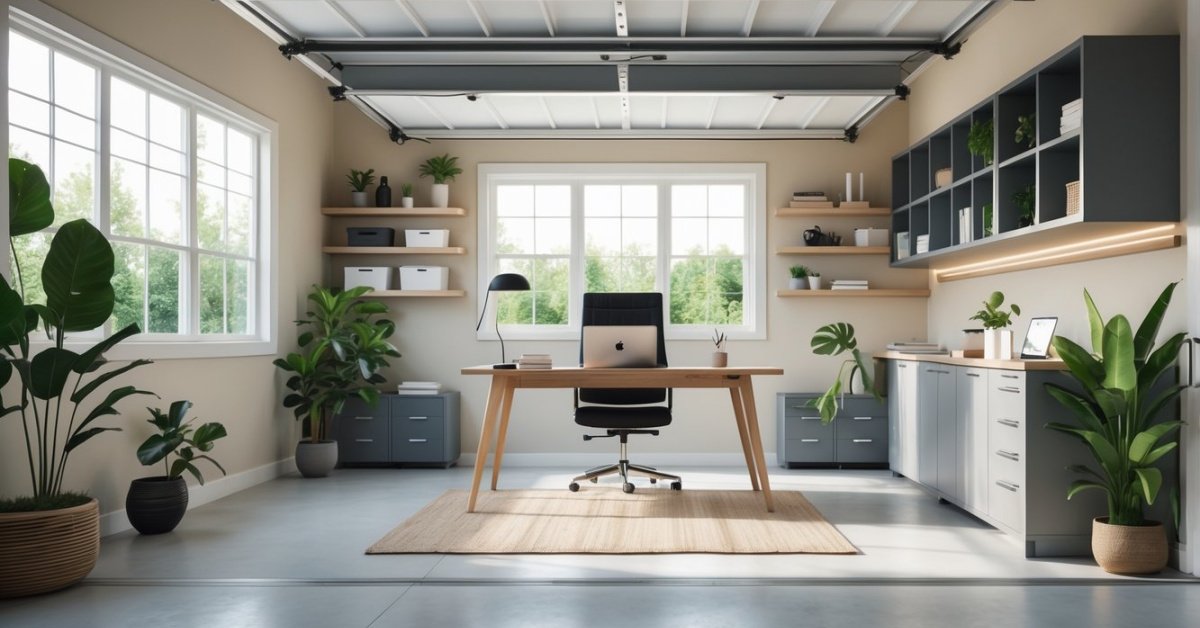
Whenever I step into my garage workshop I feel a rush of excitement and creativity. There’s nothing quite like building something with my own hands or tackling a new DIY project. But I’ve learned that every great project starts with one thing—making sure I’m protected.
It’s easy to overlook safety gear when I’m eager to get started but the right equipment can make all the difference. Whether I’m sawing wood or working with power tools I want to know I’m safe from unexpected accidents. Let me share the essentials that help me stay confident and focused every time I get to work.
Understanding the Importance of Safety Gear in the Garage Workshop
Optimizing garage workshop safety gear means treating protection as a primary project need, not an afterthought. Safety gear shields me from flying debris, chemical exposure, noise, and unexpected tool malfunctions that occur during space conversion projects. Each gear type—like safety glasses, earplugs, gloves, and steel-toed boots—addresses specific hazards unique to cutting, drilling, painting, and heavy lifting.
Integrating essential safety gear into my garage workflow lets me work smarter and more confidently. Projects proceed without interruption from minor injuries or discomfort. When designing workshop layouts, I dedicate a space for accessible storage of protective equipment, ensuring every client has gear ready when they need it. Experience shows garages that double as workshops present more risks than traditional storage spaces, especially when tools and materials compete for space.
Simple measures, such as always having a first aid kit and fire extinguisher close by, tie into overall space optimization by providing immediate response tools within arm’s reach. Safety gear supports productivity by minimizing downtime and fostering an organized work environment.
Key Types of Garage Workshop Safety Gear
Optimizing garage safety gear is a foundational part of any conversion project. I build every workflow around these core items, since they directly support a safer and more efficient use of space.
Protective Eyewear
Protective eyewear like ANSI Z87.1-rated safety glasses or full-face shields guards eyes from dust, metal shards, and chemicals. I use anti-fog, wraparound models for projects involving grinding, sanding, or spray painting, since garage tasks often scatter debris across work zones.
Hearing Protection
Hearing protection, such as NRR-rated earmuffs and reusable earplugs, stops permanent damage from power tools. I keep both types accessible because some machines—like impact drivers or shop vacuums—frequently reach over 85 decibels. Layering hearing protection increases defense during high-noise conversions.
Respiratory Masks and Face Shields
Respiratory masks, including N95 or half-face reusable respirators, block paint fumes, sawdust, and insulation fibers. I add clear polycarbonate face shields when cutting metal or mixing chemicals, as this creates a barrier against both particulates and random splashes.
Hand and Arm Protection
Hand and arm protection starts with cut-resistant work gloves for handling lumber, metal, or sheet goods. I select nitrile gloves when dealing with solvents or adhesives. Forearm sleeves prevent scrapes when maneuvering bulky materials during storage system installations.
Footwear and Body Protection
Footwear and body protection hinge on steel-toe boots and slip-resistant soles to avoid punctures from tools and hardware scattered on floors. I pair durable aprons or coveralls with knee pads so owners stay shielded from sparks or accidental tool drops throughout intensive upgrades.
Choosing the Right Safety Gear for Your Workshop
Selecting safety gear for a home garage workshop supports long-term productivity and prevents setbacks. I always match protective equipment to both the tools and the space I’ve optimized for custom projects.
Factors to Consider When Purchasing Safety Gear
Fit plays a crucial role in workshop safety gear selection. I look for adjustable head straps on goggles and face shields so they stay secure even in tight workspaces or when I’m moving overhead storage bins. Material resistance matters too; I choose cut-resistant gloves made with Kevlar for handling sheet metal or broken down shelving units. Ventilation in dust masks or respirators becomes essential during woodworking or when converting garages into hobby spaces that generate sawdust. Certification symbols like ANSI and OSHA mark quality protection, so I check packaging for those before buying new gear for a client’s optimized area. Ergonomics influence productivity, so I select low-profile earmuffs that work comfortably with hats or safety glasses.
Maintaining and Inspecting Your Gear
Routine inspection increases safety in every garage workshop I’ve remodeled. I check safety glasses for scratches and ear protection for worn foam pads every week, especially when project’s running for multiple days. Cleaning procedures extend gear lifespan. I wipe down face shields with mild soap after cutting tile or drywall and use disinfectant sprays on gloves after working in converted gym spaces. Replacement schedules prevent small issues from causing larger injuries. I swap out respiratory mask filters every month during active renovations or seasonal upgrades and keep an inventory checklist in my tool storage zones. Accessible, well-maintained safety gear supports efficiency and lets clients focus on customizing their newly optimized garage spaces.
Common Mistakes to Avoid With Workshop Safety Gear
Ignoring Fit and Comfort
I see many skip proper fit when buying safety gear. Ill-fitting gear like loose gloves or foggy goggles limits dexterity and visibility. Gaps let in dust or debris, reducing protection and making it more likely people won’t use the gear at all.
Overlooking Routine Inspections
I often find owners use aging gear without regular checks. Worn-out straps, cracked face shields, or scratched glasses compromise safety. Monthly inspections for visible wear or broken seals keep gear reliable and effective.
Using Improper Protection for the Task
Clients sometimes grab gear suited for carpentry when handling chemicals or welding. Using non-rated gloves for solvents or standard glasses around flying sparks leads to avoidable injuries. I match PPE ratings and materials to tasks during every project setup.
Skipping Gear Maintenance
I’ve seen dust-covered respirators and unwashed earplugs lose effectiveness quickly. Gear left uncleaned or poorly stored gets brittle, loses shape, and fails to protect. Washing, drying, and storing equipment between uses preserves integrity.
Storing Gear Out of Reach
Too often, I find safety gear tucked away on high shelves or in cluttered drawers. Gear that’s hard to access rarely gets used when it counts. I place PPE stations near entry doors and workbenches so owners can gear up as soon as they enter the workshop.
Assuming All Gear Is One-Size-Fits-All
I notice some try using one type of mask, glove, or shield for every job. Matching fit, type, and certification keeps protection specific and effective. I always check labels for ANSI and OSHA standards before recommending gear to owners.
Conclusion
Staying safe in my garage workshop isn’t just about following rules—it’s about building habits that let me keep enjoying my projects for years to come. When I take a few extra minutes to gear up properly I’m not only protecting myself but also making sure every project runs smoothly from start to finish.
Investing in the right safety gear and keeping it in top shape means I can focus on what I love most—creating and transforming my space. Safety isn’t just a box to check off—it’s the foundation that lets my creativity thrive.


