
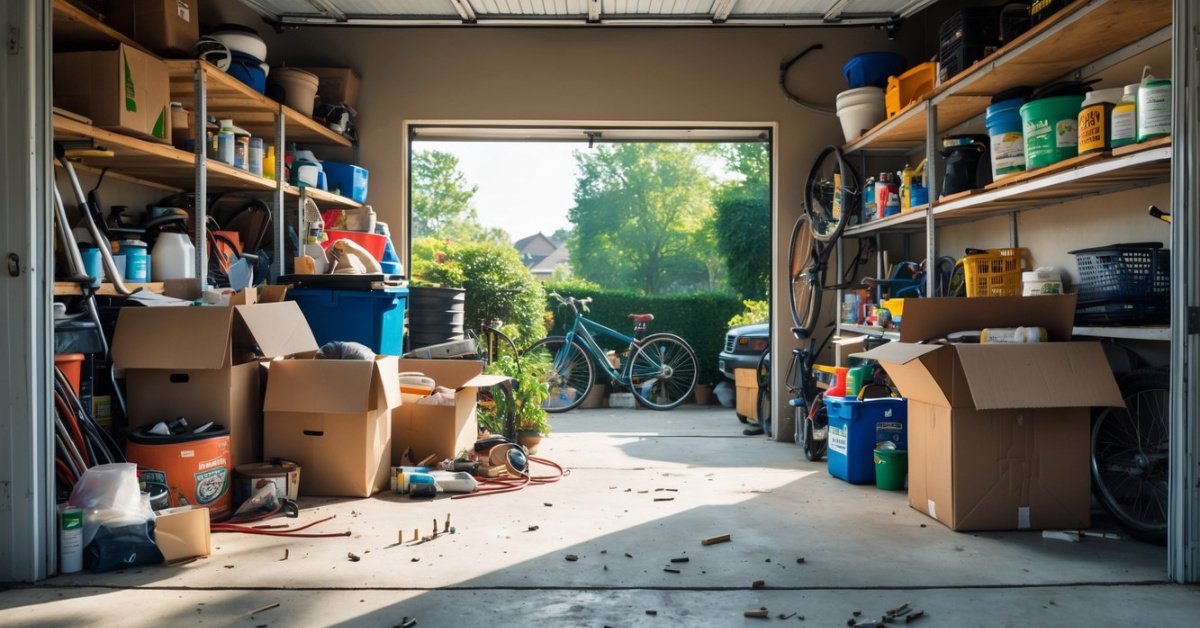
Every time I step into my garage I notice how quickly clutter piles up. Tools scatter across shelves, boxes stack up in corners, and before I know it I can barely find what I need. I’ve realized that a minimalist approach isn’t just about making things look tidy—it’s about creating a space that actually works for me.
I want my garage to feel open and organized, not like a storage unit packed to the ceiling. By focusing on simple storage solutions and keeping only what I truly need, I can transform my garage into a functional space that makes life easier. If you’re ready to clear out the chaos and create a minimalist garage storage system, let’s get started together.
Understanding Minimalism in Garage Storage
Minimalism in garage storage focuses on maximizing utility with the least amount of clutter possible. I use a methodical approach to create purposeful zones, place only necessary tools, and highlight open surfaces for clear movement. Clutter creates obstacles, so I remove duplicates and low-use items—examples include extra rakes, worn-out sports gear, and paint cans past their expiration.
Every item in a minimalist garage earns its spot based on use, quality, and purpose. I design shelves, hooks, and bins to match each owner’s actual habits rather than guessing what they might need in the future. Labeling containers and keeping at least 25% of surfaces free supports a sense of order.
Minimalism here isn’t about making the garage empty—it’s about letting each feature serve a real need. I favor clean lines, uniform storage materials such as sturdy plastic totes or powder-coated metal racks, and a color palette that doesn’t distract from the space’s function. This approach simplifies maintenance, helps owners find things fast, and turns garages into truly useful extensions of the home.
Planning Your Minimalist Garage Storage System
Careful planning lays the foundation for a clutter-free garage with a clear structure and purpose. I always start projects with a step-by-step evaluation to match storage with your actual needs.
Assessing Your Storage Needs
I examine how you use your garage before designing storage solutions. I break down storage requirements by grouping items such as yard tools, automotive supplies, and seasonal decorations. I identify frequently accessed objects, for example, power drills, bike pumps, and cleaning equipment, since these belong in the most accessible spots. I measure available space, noting ceiling height, wall length, and floor area. I map out distinct zones, such as a workbench zone for repairs and projects or a wall section for hanging sports equipment. This detailed inventory helps me choose only storage that serves real functions.
Decluttering and Sorting Items
I remove all garage items and sort them into categories: keep, donate, recycle, or discard. I evaluate each object’s use and condition, keeping only tools and gear used in the past year. I eliminate duplicates, like extra shovels or outdated paint cans, since they take up valuable space. I use clear bins and labels for sorted piles—items staying in the garage, seasonal storage, or relocation to another space. I always recommend donating workable tools and organizing discarded materials for recycling. This process ensures that only purposeful, high-quality items remain before implementing storage solutions.
Choosing the Right Storage Solutions
Selecting efficient garage storage systems starts with understanding available options and matching them to how you use your space. I prioritize solutions that keep surfaces open while making critical items easy to access and put away.
Wall-Mounted Shelves and Racks
Wall-mounted shelves and racks create storage without eating up floor area. Open shelving keeps commonly used tools visible and reachable—think drills, fasteners, or gardening gloves. Sturdy racks hold larger gear like bikes, extension cords, or yard tools, which reduces visual clutter. By utilizing vertical space, I free up the ground for movement and projects.
Ceiling Storage Options
Ceiling storage options give you a way to store infrequently used items overhead. I install ceiling racks and pulley hoists for seasonal storage, such as camping gear or holiday decorations. Overhead systems keep these bulky items out of sight, making daily-use zones feel more open. Every time I design a layout, I check ceiling height to maximize cubic footage safely.
Modular Cabinets and Containers
Modular cabinets and containers offer streamlined organization for small to medium gear. Uniform cabinets keep the look clean while securing chemicals, car supplies, or spare parts out of view. Stackable, labeled bins corral hobby items or sporting goods, letting you relocate or expand as storage needs shift. When I build systems, I choose cabinets with adjustable shelves, so every inch handles specific items without wasted space.
Organizing for Efficiency and Aesthetics
Optimizing a garage means making every inch useful, while still creating a visually clean experience. Efficiency and aesthetics work together—when my systems are well-organized, the space feels more inviting and functional.
Zoning and Labeling
I divide each garage into clear zones based on needs, like lawn care, auto, and recreation. Dedicated areas let me group items by function; for example, all garden hand tools go on one wall-mounted rack, while auto care moves to another distinct shelf. I use sturdy vertical dividers and simple wall grids to further separate categories.
I label each bin, shelf, and drawer using uniform labels. Clear, concise text works fastest for identification—think “Paint Supplies,” “Winter Gear,” or “Power Tools.” Large printed labels on transparent bins keep contents visible, reducing time spent searching. When owners change their storage system, I update every label right away to keep consistency.
Maintaining a Clutter-Free Space
I keep all surfaces clear by returning items to their zones after every project. Open floors stay open—I don’t park extra bins or toolboxes on the ground, so navigation stays easy. Weekly checks let me spot out-of-place gear, and I encourage the owners I work with to schedule their own five-minute resets every weekend.
I recommend limiting “miscellaneous” bins and use strict criteria on new additions: every item must justify its space. Over time I see less overflow as owners learn to keep only what supports their daily life or routines. For quick maintenance, I fit wall and ceiling organizers with easy-release levers and open bins for immediate drop-and-go use after each task.
Tips for Sustaining a Minimalist Garage
Regularly Edit Belongings
I review garage contents every season, with spring and fall as primary checkpoints. Seasonal editing helps me catch items that no longer align with my current needs, like outdated tools or project leftovers. I remove things that haven’t been used in the past year, which keeps the storage system intentional.
Apply the “One-In, One-Out” Rule
I introduce a new item only when I’m ready to remove an existing one. This keeps volume steady and prevents the gradual buildup of unused gear, like old paint cans or duplicate hand tools.
Maintain Labeled Zones
I keep labels clearly visible and reapply them whenever containers or zones change. Printed, weather-resistant labels on transparent bins help identify contents instantly, even during quick tasks like grabbing gardening gloves or a bike pump.
Keep Surfaces Clear
I make open surfaces a non-negotiable rule—benches, floor sections, and windowsills remain free of random storage. This not only makes the garage look larger, it also enables easier sweeping and rapid location of any dropped item or fast-moving pest.
Schedule Quick Maintenance Sessions
I allocate 15 minutes weekly for minor resets, focusing on returning wayward equipment and sweeping out debris. This short, regular habit keeps clutter from reappearing. For new garage systems I install, I always recommend these check-ins for my clients.
Adjust Storage Solutions Based on Current Use
I reevaluate each storage feature twice per year. Hooks, overhead racks, and modular bins might get rotated or repurposed if a hobby shifts, a new vehicle comes in, or a child outgrows sports gear. Flexible systems adapt alongside my clients’ changing routines.
Emphasize Immediate Return After Use
I return every tool, supply, or accessory immediately after every use. This habit reduces mess and ensures every zone serves its designated function daily. I remind garage owners that this one practice accounts for 90% of staying truly minimalist.
Connect Purpose to Every Item
I check the actual function of what’s left. If something doesn’t support daily or seasonal activity, it’s a candidate for donation or disposal. My clients notice more floor space and feel less stressed when only genuinely necessary items remain visible.
Conclusion
Taking a minimalist approach to garage storage has truly changed how I use and enjoy this space. It’s not just about having less stuff—it’s about making every tool and container work for me and my family.
Now my garage feels lighter and more welcoming. I can find what I need without digging through piles or stepping around clutter. If you’re ready for a more organized and peaceful garage, a minimalist system is a great place to start. It’s a journey worth taking and the sense of order is incredibly rewarding.


