
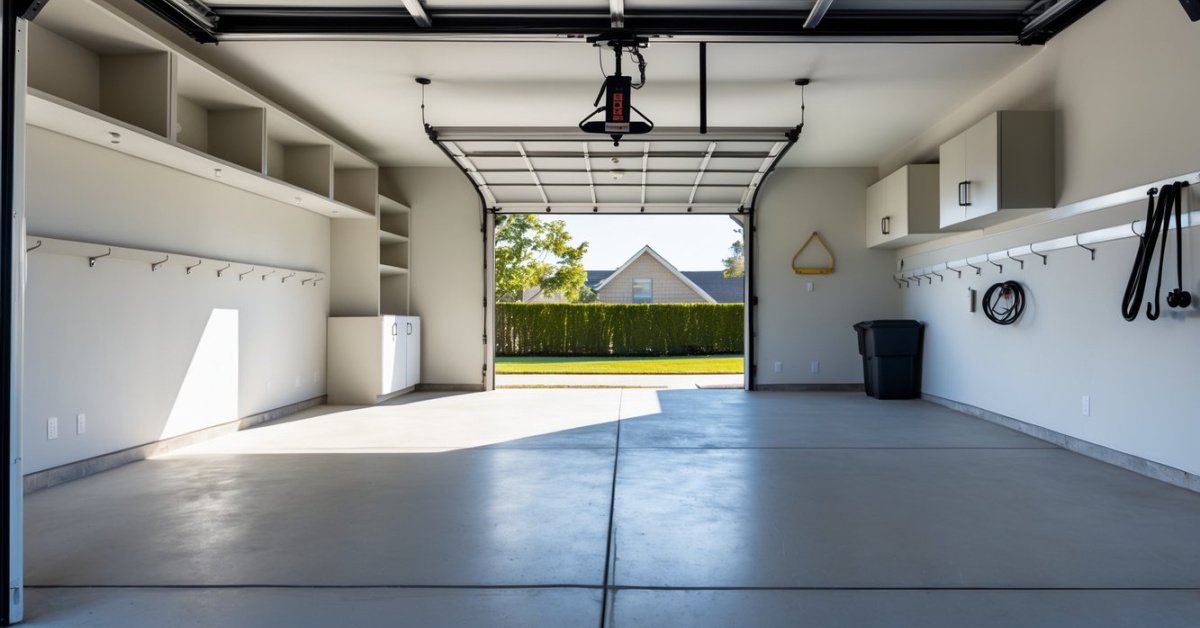
Every time I walk into my garage I’m amazed at how quickly things get out of hand. Tools pile up bins overflow and before I know it I can’t find anything I need. I used to waste so much time searching for a screwdriver or that box of holiday lights buried somewhere in the chaos.
That’s when I realized I needed a better way to stay organized. Labeling systems aren’t just for neat freaks—they’re a game changer for anyone who wants to save time and stress. With the right labels everything has its place and I can actually enjoy working in my garage again.
Understanding the Importance of Labeling Systems for Garage Organization
Efficiency improves in any garage once a labeling system gets added. Finding rarely used tools, like torque wrenches or stud finders, becomes quick if each storage bin, shelf, or drawer carries clear, readable labels. Labeling reduces clutter since every item—cleaning supplies, gardening gloves, power cords—has an assigned place. Safety increases too, especially around hazardous materials. When I create visible labels for chemicals, paint, or sharp equipment, garage users easily spot and avoid risky items.
Time savings add up during every project. Without labeled containers for screws, drill bits, or sandpaper, I often see clients spend 10–20 minutes searching for one small part. Labeling speeds up workflow so I help people get the most use from the space. Maintenance and inventory tasks simplify as well. Owners can check labeled boxes at a glance—no need to re-open and sift through everything.
Labeling supports long-term order. Families keep garages tidy for longer when everyone knows precisely where to return gear after chores or hobbies. In multi-user garages, clear identification lets each person quickly spot their bike helmet or jumper cables. Overall, a consistent labeling method transforms garages into useful, accessible workspaces where every item serves its purpose.
Types of Labeling Systems for Garage Organization
I’ve seen that the right labeling system upgrades garage organization for any household. Strategic labels clarify storage zones, helping everyone keep tools, sports gear, and supplies in place.
Pre-Made Label Kits
Pre-made label kits provide a quick route to garage organization. Most kits include adhesive labels with common categories like “hardware”, “paint”, or “garden tools”. I often use these in projects where speed and standardization matter, with printed vinyl and plastic options holding up well against dust and moisture. Brands like Brother and Avery offer weatherproof sets that last for years in non-climate-controlled garages.
DIY Labeling Solutions
DIY labeling solutions let owners customize storage to match unique garage contents. I recommend using blank adhesive labels, masking tape with permanent markers, or laminated cardstock tags for flexibility. DIY methods suit garages with rotating projects, seasonal storage, or custom containers like bins for automotive parts, gardening supplies, or holiday decorations. Laminators and clear packing tape can reinforce handwritten labels and keep them legible over time.
Digital and Smart Labels
Digital and smart labels add advanced functionality to garage organization. QR code stickers, NFC tags, and Bluetooth-enabled labels let users track item locations or access inventory lists through smartphone apps. I install systems like QR code-based inventory tracking for clients who have extensive tool collections or maintain home businesses from their garage. Digital systems streamline maintenance, help with tracking, and adapt as owners change how they use their garage spaces.
How to Choose the Right Labeling System for Your Garage
Labeling systems make garage organization possible, but not every option fits every setup. I always match products and processes with each client’s specific space and goals.
Assessing Your Storage Needs
Assessing storage needs guides every label selection. I inventory what clients store—tools, sports equipment, chemicals, hardware, holiday decorations—and measure available space. For example, garages with frequent tool use get bold, visible labels on bins and wall racks. Spaces dealing with kids’ gear or seasonal items use color coding and images, while mixed-use garages benefit from labels clear enough for all family members.
Durability and Materials
Durability and materials impact long-term effectiveness in garages. I select waterproof vinyl labels for humid or dirty spaces, and laminated or UV-resistant labels for sun-exposed or outdoor-facing garages. For rough or heavily handled storage, I attach heavy-duty adhesive labels or use metal label holders. Permanent marker works well when quick, low-cost solutions are needed, but laser-printed or engraved plates stand up in workbench zones or industrial-style garage conversions.
Ease of Use and Flexibility
Ease of use and flexibility shape how sustainable a labeling system becomes. I recommend peel-and-stick products for fast updates or evolving storage needs, and magnet-backed labels for metal shelving, which clients can rearrange without residue. For owners tracking lots of small parts, I often set up QR code systems to link physical boxes with digital inventories. I design each solution so owners spend minimal time relabeling as storage or hobbies change.
Best Practices for Implementing Labeling Systems
Consistent labeling turns a garage from a clutter trap into a functional workspace. I’ve seen every type of garage setup, so practical strategy always drives organization that lasts.
Creating an Effective Labeling Strategy
Clear categories anchor an effective labeling system for garage organization. I always start by grouping similar items—tools, seasonal decor, auto supplies, and sports equipment, for example—then assign each group a unique color or shape on the labels for instant recognition. Consistent font style and size across all labels improve visibility from a distance, keeping systems intuitive for families.
Prioritizing placement ensures labels are easy to spot. I put labels at eye level on bins and directly on drawers or shelves where hands naturally reach for items. I avoid cluttering with redundant information by sticking to specific names, like “Phillips Head Screwdrivers,” not just “Tools.” Laminated or vinyl materials withstand grease, humidity, and dust—necessary in garages prone to spills and scuffs.
Maintenance and Updating Labels
Regular reviews keep garage labeling efficient as storage needs change. I recommend a quick inventory every three months, updating or replacing labels whenever I add or remove items. For high-turnover categories like holiday supplies or project-specific bins, I prefer magnet-backed or dry-erase labels, which make edits simple and mess-free.
I always check for faded, peeling, or damaged labels during seasonal deep cleans, swapping them with fresh, legible ones to prevent confusion. If someone else uses the garage storage, I add brief usage notes on labels, such as “Return after use,” boosting accountability for organization. This ongoing upkeep preserves the investment in organizing and prevents a return to clutter.
By anchoring these practices into every project, I help families keep garage spaces adaptive to new hobbies, growing storage, and evolving needs.
Pros and Cons of Different Labeling Systems
When I help families rework their garage organization, I see a big difference in outcomes depending on the labeling system used. Each option in garage labeling—pre-made label kits, DIY solutions, and digital or smart labels—offers unique strengths and drawbacks for space optimization.
Pre-Made Label Kits
- Fast application: Pre-made label kits boost installation speed since every label is cut, laminated, and printed for standard garage categories like “Tools” or “Sports Gear.”
- Durable construction: Most manufactured labels use waterproof vinyl or plastic that resists fading and tears, supporting years of rough handling in working garages.
- Limited customization: Selection often misses less common items—examples include “Roofing Nails” or “Vacuum Attachments”—so unique storage needs may go unlabeled without extra effort.
- Higher initial cost: Brand-name garage kits typically cost $15–$40 per set compared to DIY labels below $10, which can affect budgeting for larger projects.
DIY Labeling Solutions
- Full personalization: DIY systems let me create custom labels using tape, permanent markers, or label makers, so odd items—such as “Socket Extensions” or “Holiday Decor”—aren’t forgotten.
- Budget flexibility: Materials like painter’s tape and Sharpies enable efficient labeling for less than $10, which suits garages where priorities may shift seasonally.
- Lower durability: Handwritten or taped labels degrade faster in damp, dusty zones—labels often peel off bins or fade after six months without lamination or reinforcement.
- Visual inconsistency: Mix-matched styles and colors distract from otherwise streamlined installations and can make finding items harder for new users or visitors.
Digital and Smart Labels
- High information density: Digital systems—examples include scannable QR codes and NFC tags—link bins to detailed item lists and project notes through garage inventory apps.
- Remote access: Integrated phone connectivity gives me item locations even when I’m away from the garage, which enhances project planning and family communication.
- Learning curve: Smartphone setup requires basic tech familiarity, which sometimes slows adoption among families less comfortable with new technology.
- Ongoing costs: Smart labels may need batteries, monthly app subscriptions, or NFC-compatible devices, making upfront investment higher than traditional systems.
| Labeling System | Pros | Cons | Typical Cost |
|---|---|---|---|
| Pre-Made Kits | Fast, durable, standard categories | Low customization, higher initial cost | $15–$40 per set |
| DIY Solutions | Personalized, budget-friendly | Low durability, inconsistent appearance | <$10 per garage |
| Digital Labels | High info density, remote access | Tech skill needed, possible app/device costs | $20–$75+ setup |
By understanding these trade-offs, I match each labeling method to families based on durability needs, budget, and project complexity for the most functional garage transformation.
Conclusion
Getting my garage organized with the right labeling system has honestly changed the way I approach every project. It feels great to know exactly where everything belongs and to spend less time hunting for things I need. Whether you prefer something simple or want to try out the latest smart labels there’s a solution that fits every style and budget.
Taking a little time to set up a system that works for me has made my garage more useful and way less stressful. If you’re tired of the clutter too I promise that clear labels can make all the difference.


