
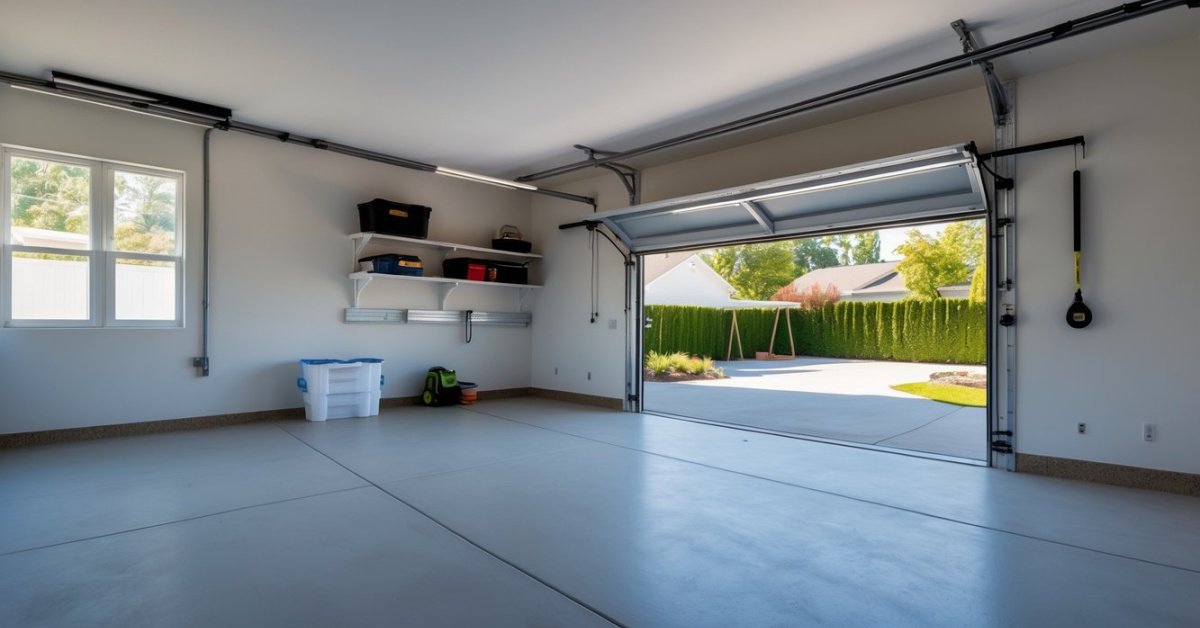
When I think about my garage, I picture a space that’s clean dry and easy to work in. But without a good drainage system, that dream can quickly turn into a mess of puddles and lingering dampness. Keeping water out isn’t just about comfort—it’s about protecting my tools, car, and even the foundation of my home.
I’ve learned that maintaining a garage drainage system doesn’t have to be complicated or time-consuming. With a few simple habits and regular checks, I can keep everything running smoothly and avoid bigger problems down the road. Let’s take a look at why a little effort goes a long way when it comes to garage drainage.
Understanding Garage Drainage Systems
Garage drainage systems play a critical role in space optimization projects. I often find that water pooling in garages disrupts both storage plans and functional conversions, whether you’re creating a workshop, gym, or mudroom. These drainage systems typically include trench drains across thresholds, floor drains at low points, and sloped concrete surfaces that guide runoff.
Designs vary by climate and local building codes. Sloped floors, for example, direct water flow toward main drains and prevent stagnant areas. Channel and trench drains manage runoff from vehicles, snowmelt, and rain. Floor-level grates, inset drains, and perimeter channels provide coverage for heavy-duty or multi-use garage spaces.
Clogged drains delay remodeling work and risk mold or mildew, which damages new installations. Regular maintenance—like checking grates for debris or making sure slopes remain unobstructed—supports any layout upgrades. I always include these checks in every garage conversion project to protect both newly added utility and the garage’s foundational structure. Keeping drainage integrated into every garage design solution ensures more creativity and reliable use of the available space.
Common Issues with Garage Drainage
Many garages I inspect for conversion projects show signs of ignored drainage problems. Effective garage drainage is essential for reliable space optimization since any water issues limit what a garage space can become.
Clogs and Blockages
Clogs and blockages disrupt garage drainage by trapping debris—like leaves, dirt, and sand—that collects near entry points or within trench drains. Even a small blockage at a floor drain can back up water, which stops a space from operating as a workshop, gym, or storage. Grates in high-traffic areas—such as vehicle paths—trap gravel, with buildup often happening faster in homes with trees nearby. Unchecked clogs also risk larger repairs, as prolonged dampness breaks down sealants or damages garage flooring.
Water Pooling and Flooding
Water pooling and flooding prevent a garage from functioning as a dry, adaptable living area. Slopes that don’t direct water correctly or neglected perimeter drains let puddles form after rain or snowmelt, often along baseboards or under vehicles. These stagnant water zones promote mold growth and lead to permanent stains on epoxy or concrete surfaces. If a foundation sits below grade, floods can also expose stored items and tools to continual moisture—making a workshop, gym, or cabinetry project unusable until the drainage issue gets addressed.
Essential Tools and Materials for Maintenance
Regular maintenance for garage drainage systems includes specific tools and materials that I keep ready for quick and effective tasks.
- Drain snakes: Flexible metal augers, like handheld or drum-style snakes, clear minor clogs in floor drains or trench subchannels.
- Wet/dry vacuums: Powerful suction vacuums remove standing water, wet leaves, and fine debris from catch basins and trench drain grates.
- High-pressure nozzles: Brass or stainless steel hose attachments break up residue and flush out sludge buildup inside piping segments.
- Heavy-duty gloves: Nitrile or rubber gloves protect my hands from sharp drain edges and potential chemical cleaners during debris extraction.
- Bucket and scoop: Durable buckets and plastic scoops help me collect and dispose of soil, gravel, and organic matter stuck in trench drains.
- Drain brushes: Long-handled brushes with stiff nylon bristles scrub away algae or grease on concrete and PVC drain interiors.
- Non-corrosive cleaners: Biodegradable enzymatic cleaners, safe for PVC and cast iron, keep drains clear without harming finishes or seals.
- Replacement grates and covers: Galvanized or polymer grates provide protection for open trench areas if I spot rust or cracks during inspections.
- Sealants and patch kits: Concrete patch mixes and waterproof caulks seal cracks or leaks around floor drains and perimeter runoffs after routine cleaning.
I rely on these tools and materials for prompt maintenance since neglected systems increase risk of water backup and interfere with optimizing garage spaces for projects like home gyms, workshops, or storage upgrades.
Step-by-Step Guide to Maintaining Garage Drainage Systems
I approach garage drainage maintenance as a foundation for every successful garage transformation. When drains work correctly, I can unlock new potential in any garage, whether I’m planning a studio, gym, or workshop.
Inspecting the Drainage System
I visually check all drainage entry points, including trench drains, floor drains, and perimeter channels. I look for signs of buildup, rust, pooled water, or slow drainage after hosing down the floor. If water sits longer than a few minutes, I prioritize that drain for further cleaning. I shine a flashlight down each grate to inspect for hidden obstructions or cracks.
Cleaning and Removing Debris
I remove each drain cover and scoop out visible debris like leaves, gravel, or dirt clumps. I use a drain brush or snake for deeper blockages. I flush each drain channel using a garden hose attached to a high-pressure nozzle or use a wet/dry vacuum if standing water remains. I bag and dispose of all waste properly to prevent recurrence.
Checking for Damage and Leaks
I check for corrosion or cracks along metal and concrete drain edges after cleaning. I run water through each drain and check that nothing leaks from seams or pipe joints below the slab. I mark damaged areas for targeted repairs. If I find persistent moisture around the drain, I investigate connections to the exterior to confirm there’s no unseen damage.
Preventive Measures for Long-Term Maintenance
I install replacement grates if originals fit loosely or show signs of rust. I brush on a non-corrosive cleaner once each season to prevent sludge buildup. I reapply waterproof sealant to all joints and check garage slopes at least once yearly to confirm water directs toward drains. I recommend keeping a cleaning schedule and storing basic tools—like gloves, brushes, and drain snakes—where they’re easy to grab between garage projects.
When to Call a Professional
Garage drainage issues often call for professional help when routine cleaning or basic repairs don’t restore proper system function. I recommend calling an expert in these scenarios:
- Persistent Blockages: Drain lines that keep backing up after you clear them may have deeper obstructions, such as collapsed pipes or roots within the line. I’ve seen cases where home tools couldn’t reach the cause, and only specialized cameras and hydro-jetting equipment identified and removed the problem.
- Unexplained Standing Water: Consistent pooling in the same area, even after cleaning or resealing, often points to faulty slope or subfloor drainage, not just surface blockages. Diagnosing and correcting floor pitch generally requires advanced leveling tools and construction experience.
- Structural Concerns: Cracked floors, shifting garage slabs, or leaks near foundation walls often signal infiltration beyond the drains themselves. Large cracks or settling sometimes involve the garage’s load-bearing elements, where licensed contractors are best equipped to assess and repair the damage.
- Mold or Odor Issues: Recurring musty smells or visible mold, especially along garage perimeters or in corners, indicate water’s been penetrating more than just the drain. Mitigator teams with moisture mapping can help with abatement and recommend long-lasting drainage solution upgrades.
- Planning Complex Projects: If your garage transformation involves expanding, moving, or redesigning drainage systems—for example, adding a bathroom or laundry area—licensed pros ensure the new system follows code and coordinates with HVAC or electrical upgrades.
I always tell garage owners I work with that recognizing when DIY methods aren’t restoring function prevents bigger setbacks. Reputable professionals don’t just repair—they optimize the drainage for future conversions, supporting creative uses like gyms, workshops, or accessory dwelling units.
Conclusion
Taking care of my garage drainage system has made a huge difference in how I use my space. I’ve found that a little attention goes a long way in preventing messes and headaches down the road. With the right tools and a regular routine, I can keep things running smoothly and focus on the projects I actually enjoy.
Staying proactive helps me avoid costly repairs and lets me get creative with my garage. Whether I’m working on a new storage setup or dreaming up a home gym, I know my foundation is solid and ready for whatever comes next.


