
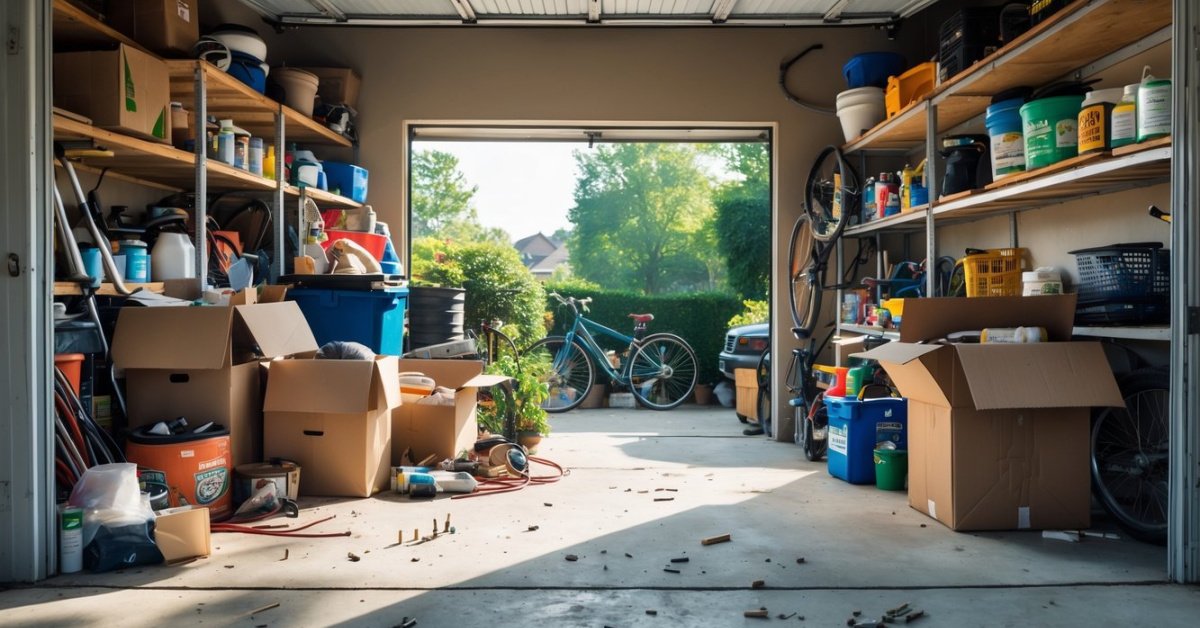
Every time I open my garage I’m amazed by how much stuff I’ve collected over the years. Old bikes, boxes of books, and gadgets I forgot I even owned seem to multiply when I’m not looking. It’s easy for clutter to pile up before I realize it’s time for a change.
That’s when I know a garage sale is the perfect solution. Not only does it help me clear out space but it also gives my unused items a second life with someone who’ll appreciate them. Plus there’s something satisfying about turning clutter into a little extra cash and seeing my garage transform from chaos to calm.
Understanding the Benefits of Organizing a Garage Sale for Decluttering
Organizing a garage sale for decluttering transforms garage optimization into an actionable project. I often see unused sports gear, outdated electronics, and boxes of old holiday décor take up valuable storage zones. Clearing these items creates immediate and visible floor space, making future garage makeovers simpler and less costly.
Hosting a sale puts extra cash directly into your renovation budget. Each tool, appliance, or children’s toy sold funds future shelving, modular cabinetry, or epoxy flooring—common upgrades I recommend. Money raised during even a one-day sale often offsets a significant percentage of basic garage improvements.
Engaging the community through a garage sale reduces landfill waste. Passing along functional items keeps usable tools and household goods in circulation, maintaining a sustainable approach to home organization I always endorse.
Eye-level and overhead areas instantly become accessible once clutter goes. This change supports creative additions such as wall-mounted bike racks or workbenches, which can double a garage’s usability for hobbies, vehicle storage, or small business operations.
Every decluttering step through a garage sale helps transition the space from basic storage into a multipurpose area that matches the owner’s lifestyle and needs.
Planning Your Garage Sale for Maximum Success
Efficient garage sale planning sets the stage for a clutter-free space and supports lasting garage transformation. I view each sale as the first step toward redesigning a more useful, optimized garage.
Setting Goals and Choosing a Date
Clear objectives for every garage sale ensure efficient decluttering. I start by identifying the main goal—maximizing cleared floor area for storage upgrades, or earning funds for cabinetry, for example. I select peak weekends in spring or early fall for higher turnout, based on local trends and established neighborhood event calendars. Advanced planning, especially for multi-family or community events, attracts more buyers and drives more clutter out the door.
Gathering and Sorting Items to Sell
Strategic item organization speeds up pre-sale prep and sheds light on future garage possibilities. I gather all unused or outdated items—like old paint supplies, outgrown bikes, duplicate lawn tools—into a central staging area. I separate items into categories such as seasonal décor, small appliances, and sporting goods, labeling each box for clarity. Clean, test, and price everything before displaying, which speeds up set-up on sale day and maximizes appeal to shoppers planning their own home projects. By sorting early, I spot storage gaps, underused areas, or potential spaces for new shelving or workbenches after the sale.
Preparing for the Big Day
Getting ready for a garage sale transforms unused space into opportunity. I focus on efficiency for both sellers and buyers, making sure every step supports garage optimization.
Pricing and Displaying Your Items
Pricing and arranging sale items streamlines both the sale and future garage projects. I group similar objects—such as tools, outdoor gear, and seasonal décor—to highlight what’s available and make shopping easier. Pricing relies on clear, simple tags. I use colored stickers for fast categorization: for example, red for $1, blue for $5, and green for $10. This approach minimizes haggling and allows easy price updates during the sale.
Staging displays on shelves or tables maximizes eye-level visibility and keeps the garage organized for traffic flow. I place larger items like bicycles or power tools near the entrance to attract attention, while smaller goods sit together on clean surfaces. Using bins for toy sets, containers for cables, or racks for sports equipment shows visitors how tidy storage could look in their own garage.
Promoting Your Garage Sale
Promotion brings in more buyers and speeds up decluttering. I post on local community boards, garage sale websites, and neighborhood apps, using keywords like “garage organization,” “tools,” or “sports gear” for targeted reach. Photos of clean setups or desirable items boost responses. Yard signs work well when I place them at nearby intersections and use bright colors with bold arrows pointing directly to the driveway. For multi-family events, listing featured categories—such as gardening tools or home improvement supplies—pulls in more specific audiences.
Below is a table outlining key promotion channels:
| Promotion Channel | Example Use |
|---|---|
| Online Classifieds | Craigslist, Facebook Marketplace |
| Community Boards | Nextdoor, HOA forums |
| Yard/Street Signs | Intersections within half-mile radius |
| Local Apps | OfferUp, Letgo |
| Printed Flyers | Grocery store, coffee shop bulletin |
Effective pricing, appealing displays, and targeted promotion ensure the sale clears clutter, funds upgrades, and sets the stage for new garage storage or workspace solutions.
Running Your Garage Sale Smoothly
Running your garage sale smoothly maximizes both sales and future garage space. I treat each event as an opportunity to observe what works best for space transformation and community engagement.
Managing Transactions and Customers
Efficiently managing transactions and customers keeps the sale moving and reduces confusion. I always set up a dedicated checkout table near the exit, stocked with plenty of small bills, coins, and a simple cash box. I keep a digital payment option ready using apps like Venmo or PayPal since more buyers expect it. Clearly marking each item’s price with bold, color-coded labels limits questions and speeds up the process. For bundled deals—for example, books or tools—I group items together with clear signage describing the offer. I greet each shopper as they enter to create a friendly atmosphere and keep an eye on foot traffic so I can assist multiple browsers at once while answering questions about rare or unique items like vintage hardware or sporting gear.
Staying Organized During the Event
Staying organized on sale day makes decluttering and collecting payments straightforward. I separate sold items from unsold ones quickly using labeled tubs behind the checkout table. I keep extra bags and cardboard boxes handy so buyers can carry away bulkier purchases such as holiday décor or power tools. I clearly post simple rules for holds and pickups in case larger items like furniture or bikes need to be picked up later in the day. I update display tables every hour to fill empty spaces and maintain a neat, appealing look—aisle space matters for both safety and showcasing storage potential. I jot notes on which categories move fastest, such as camping gear or DIY supplies, to inform my recommendations for optimized garage layouts. I track sales with a notepad or spreadsheet so I know exactly what’s left for donation or creative repurposing once the sale wraps up.
Tips for Decluttering Effectively Through a Garage Sale
Sort items by current use, condition, and value before the sale to streamline decluttering. I sort everything—sports gear, power tools, and seasonal decorations—into three piles: keep, sell, and donate. I keep only items I use at least twice per year and in working order.
Group similar items together on sale day to simplify the decision-making process. I group garden tools, car accessories, and hobby supplies so buyers see what’s available and I quickly spot what’s left at the end.
Limit emotional attachment by focusing on the garage’s purpose and the future possibilities. I remind myself the main goal is reclaiming workspace, wall space, and storage potential—especially when owner sentiment toward old keepsakes slows progress.
Set realistic prices to maximize both sales and decluttering. I price items based on local resale value, current condition, and my experience with similar neighborhood sales. If any items don’t sell, I pre-arrange a donation pickup to avoid bringing them back into the garage.
Clear out large or bulky items first to create immediate, usable square footage. Moving bikes, shelving, and unused lawn equipment out early often inspires new organization ideas for wall racks or cabinetry.
Track what sells and what lingers to inform future storage design and purchasing. When I notice certain tools or gear types stay unsold, I use that insight to recommend custom storage solutions—like dedicated hobby shelves or overhead bins—to clients with similar needs.
Engage household members in the decision-making to maintain long-term organization. I involve everyone by assigning sorting tasks or letting each person choose a garage zone to optimize after the sale, creating shared ownership of the space.
Every decision uses the sale as a catalyst, connecting garage decluttering with broader organization and design goals.
What to Do With Unsold Items
Sorting unsold items after a garage sale keeps the decluttering momentum strong and supports efficient garage optimization. I always sort leftovers into distinct categories for a streamlined next step:
- Donate usable items: Charities like Goodwill, Habitat for Humanity, and local shelters often accept gently used household goods, books, small appliances, and clothing. I schedule a pickup or drop-off within three days to prevent clutter from creeping back.
- Sell online or at consignment shops: Relisting valuable items on platforms like Facebook Marketplace, Craigslist, and eBay helps recover expenses and reduces waste. Local consignment stores often accept bikes, tools, and sporting gear.
- Repurpose or upcycle creative pieces: I identify items with DIY potential—such as old cabinets or wood scraps—and transform them into wall storage, tool racks, or workbenches. This method supports custom garage designs and aligns with sustainable practices.
- Recycle broken or obsolete goods: I check city recycling centers for electronics, scrap metal, and worn-out appliances. Many municipalities and retailers, for example Best Buy and Home Depot, run recycling programs.
- Dispose of trash responsibly: I sort unsalvageable leftovers into bulk waste, hazardous materials, or regular trash to comply with local disposal codes. Scheduling a municipal pickup or drop-off maximizes efficiency.
Clearing out leftover items quickly means I can shift focus to garage outfitting. Empty shelves and open floor space let me move forward with installing bike racks, modular cabinets, or workbenches tailored to each client’s needs.
Conclusion
Letting go of clutter through a garage sale is more than just tidying up—it’s about creating room for new possibilities and a fresh start. I love how each step, from sorting to selling, builds momentum for a garage that finally works for me.
With every item that finds a new home, I feel lighter and more motivated to shape the garage into a space that supports my hobbies and daily life. The sense of accomplishment is real, and the journey toward a more organized home feels totally worth it.


