
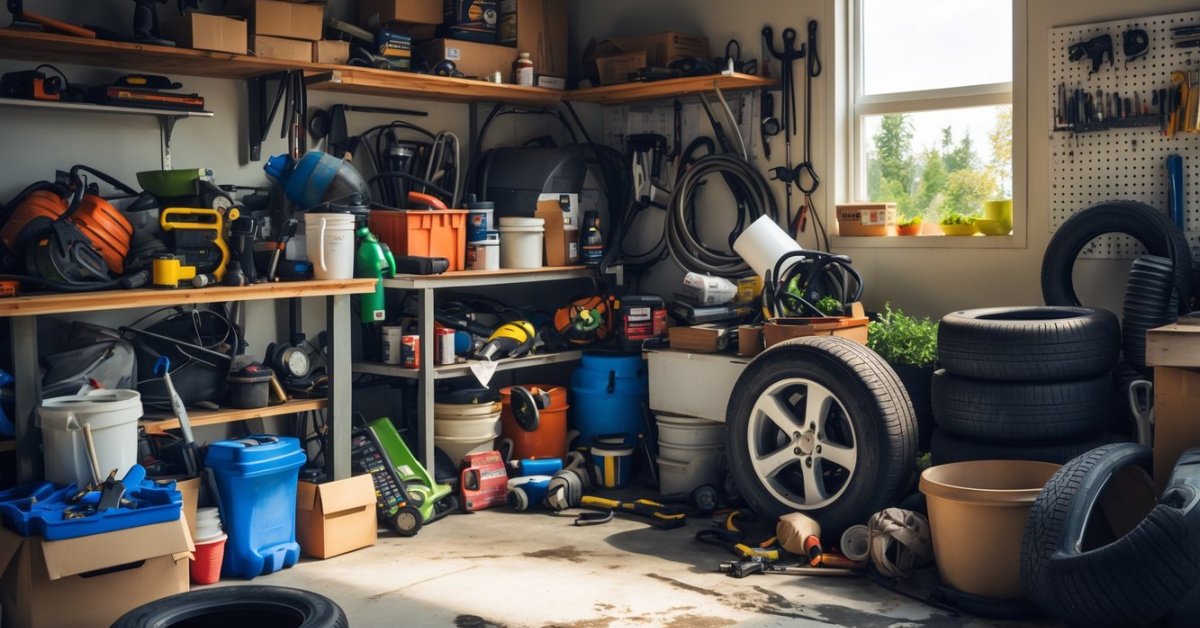
I know how easy it is to overlook the garage when it comes to home maintenance. It’s a spot where we stash everything from tools to sports gear and sometimes even forget about it for weeks. But when mold and mildew sneak in they can turn this handy space into a musty mess before I even notice.
I’ve learned that keeping mold and mildew at bay isn’t just about having a tidy garage—it’s about protecting my home and my health. With a few simple habits I can keep my garage clean dry and ready for anything. Let me share what works so you can enjoy a fresh and functional garage all year round.
Understanding Mold and Mildew in Garages
Mold and mildew often surface in garages, especially if the space isn’t dry or properly ventilated. I always evaluate garages for these specific problems when planning functional upgrades or smart storage solutions.
Common Causes of Mold and Mildew Growth
Excess moisture drives mold and mildew problems in garages. Leaks from garage roofs, cracks in concrete floors, and unsealed walls introduce water after storms or snowmelt. Poor ventilation traps humid air, which speeds up growth. Storing damp items like wet lawn equipment or soggy cardboard boxes in enclosed areas provides fuel for mold spores. Insulated garage doors without weatherstripping let outside humidity in, especially in climates with rainy seasons or humid summers.
Signs and Symptoms of Infestation
Visible spots and stains usually signal infestation. I check for black, green, or white patches on drywall, unfinished wood, and stored objects like boxes or bikes. Musty odors often linger around hidden patches, even if I don’t see visible mold. Peeling paint, warped surfaces, and rusty metal shelving sometimes result from trapped moisture or mildew colonies. Increased allergy symptoms or persistent coughing when you enter the garage frequently indicate air quality problems tied to mildew.
Essential Prevention Strategies
Keeping mold and mildew out of your garage protects both storage value and indoor air quality. I focus on strategies that make garages more versatile, healthier, and easier to use.
Controlling Moisture and Humidity
Blocking extra moisture is the key step in mold and mildew prevention. I recommend sealing floor cracks with concrete patch and using weatherstripping for garage doors. Installing a high-quality dehumidifier helps if humidity stays above 60% for long periods—digital humidity monitors track this. Placing absorbent mats at entryways traps excess water from vehicles or foot traffic.
Improving Ventilation and Airflow
Constant airflow stops trapped moisture from creating ideal conditions for mold. I install adjustable wall vents and suggest using oscillating fans. Opening windows or service doors on dry days also moves air through the space. For finished garage remodels, I add powered exhaust fans near ceilings to carry damp air outside.
Regular Cleaning and Maintenance
Consistent cleaning keeps surfaces mold-free and reveals issues early. I recommend scheduling monthly deep cleans with a focus on corners, under shelving, and behind stored items. Using a vacuum with a HEPA filter removes spores and allergens. Inspecting walls and floors every few weeks helps catch leaks or signs of water intrusion before mold can start.
Effective Products and Tools
I use targeted products and tools to keep garages mold-free and ready for any project or storage need. Choosing the right solutions streamlines maintenance and safeguards garage spaces year-round.
Recommended Cleaning Agents
I rely on EPA-registered mold removers with proven efficacy, like Concrobium Mold Control and RMR-86 Instant Mold Remover, for species found in most US garages. I apply non-ammonia-based cleaners for porous concrete and wood, since harsh chemicals can degrade garage surfaces. For general cleaning, I reach for hydrogen peroxide–based sprays, which disinfect without leaving residue. I recommend avoiding bleach except on sealed, non-porous areas because repeated use can damage finishes.
Moisture Absorbers and Dehumidifiers
I install high-capacity dehumidifiers—such as the hOmeLabs 4,500 Sq. Ft model—for garages over 400 sq. ft, which maintain humidity below 60% (CDC guideline for mold control). I position passive moisture absorbers like DampRid buckets in corners near known damp spots, especially after heavy rain. I also recommend rechargeable silica gel packs for cabinets, tool drawers, and tight spaces, since they protect contents without electricity. My go-to setup combines a programmable dehumidifier, passive absorbers, and humidity sensors so garage owners can monitor and adjust as seasons change.
Long-Term Solutions for Mold Prevention
Long-term mold and mildew prevention in garages depends on building upgrades that address both moisture entry and climate stability. I focus on solutions that keep garage spaces dry and comfortable so you can transform them into practical, mold-free zones.
Waterproofing and Sealing
Waterproofing and sealing protect garages by blocking moisture at entry points. I use polymer-based sealants on floor cracks and along the garage perimeter. I apply weatherstripping to all door frames and windows, using silicone or rubber seals for extra durability. Garage wall and slab joints get masonry sealants to prevent water seepage over time. When I find a consistent leak, I install interior drainage channels that direct excess water outside the building envelope. For overhead garage doors, I add threshold seals and inspect bottom gaskets for damage at least twice a year.
Insulation Upgrades
Upgrading insulation controls temperature swings and adds another barrier against condensation. I install closed-cell spray foam on exterior garage walls because it resists water and provides continuous coverage. On attached garages, I use rigid foam board along shared house walls to reduce vapor transfer. For ceilings, I prefer faced fiberglass batts paired with a vapor-retardant membrane. Around windows and doors, expanding foam fills all small gaps to prevent humid air inflow. When attic or ceiling access exists, I recommend blown-in cellulose or fiberglass to enhance thermal regulation and keep garages viable for storage, workshops, or hobby spaces throughout the year.
Conclusion
Taking care of my garage has made a huge difference in how I use the space and how confident I feel about storing my belongings there. With a few simple habits and the right tools it’s easy to create an environment where mold and mildew don’t stand a chance.
I’ve found that even small improvements can add up over time making the garage a safer and more pleasant place to be. If you’re looking to protect your home and health a little attention to your garage goes a long way.


