
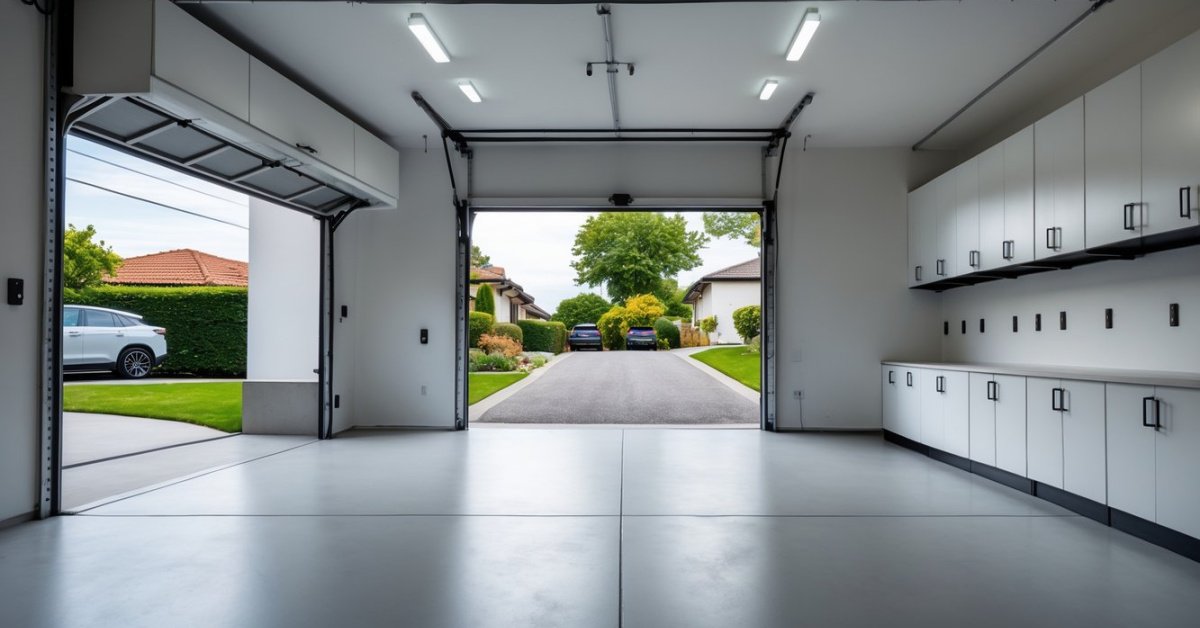
Whenever I dive into a new garage workshop project I get a rush of excitement. There’s something so satisfying about building fixing or creating something with my own hands. But I’ve learned that even the simplest projects can turn risky if I don’t pay attention to safety.
I know how easy it is to get caught up in the moment and forget the basics. That’s why I always remind myself that a little preparation goes a long way. With the right safety habits I can keep every project fun and accident-free.
The Importance of Safety in Garage Workshop Projects
Safety in garage workshop projects protects anyone optimizing storage or adding multi-use features to the space. My job as a professional garage optimizer connects safety directly to successful project outcomes, especially when combining woodworking, electrical work, or heavy lifting.
In home garages, even minor space conversions expose people to hazards such as sharp tools, power cords, ladders, and clutter. Proper storage of paints, solvents, and power tools lowers fire risks and injury rates. According to the National Safety Council, about 16% of home-related injuries involve workshops or garages.
Clear floor pathways, labeled storage zones (for items like saws, power drills, and fasteners), and proper ventilation limit risks when reworking garage layouts. For every creative solution—like fold-up benches or wall mounts—I check for secure installation and easy access to emergency shutoffs.
By making safety a central part of the optimization process, I keep garage upgrades both functional and accident-free, letting owners use their spaces confidently for any project.
Essential Personal Protective Equipment (PPE)
Personal protective equipment (PPE) makes every garage workshop safer and more user-friendly. From optimizing work areas for creativity to keeping projects accident-free, I always prioritize the right gear for each task.
Eye and Face Protection
Eye and face protection guards against project dangers like flying debris, sawdust, or splashes—especially during woodworking or sanding. I keep safety glasses and full-face shields stored in visible, accessible spots near high-risk areas. Shatter-resistant lenses and side shields provide extra defense during tool operation. For spray painting, I select goggles sealed to the face to prevent solvent irritation.
Hearing Protection
Hearing protection shields ears from continuous noise generated by power tools, grinders, or shop vacuums. I keep earmuffs and foam earplugs by all noisy workstations. NRR-rated earmuffs (22-30 decibels) are my standard for tools louder than 85 decibels, such as table saws or routers. Over time, reliable ear protection maintains hearing health, especially when garage work extends into daily routines.
Hand and Foot Safety
Hand and foot safety limits injuries from dropped tools, sharp metals, or heavy equipment. I supply work gloves in several types—leather for welding, nitrile-coated for handling chemicals, and cut-resistant for metalwork. Safe, visible storage for steel-toe boots and slip-resistant footwear reduces slips and crush risks in busy areas. Gloves and protective footwear always stay close at hand, ready for quick access before any work begins.
Organizing Your Workspace for Safety
Safety in a home garage workshop starts with effective organization. I always integrate proven safety practices into every garage space I optimize to make sure each project area is both productive and secure.
Proper Tool Storage
Securing tools in marked locations reduces accidents and saves time. I use wall-mounted pegboards for common hand tools like hammers and screwdrivers, keeping sharp blades and power tools in locked cabinets. Shelving units with wire baskets work well for small parts—think screws, nails, or drill bits—because items stay visible but contained. Magnetic strips above the workbench keep frequently used metal tools safely within reach while preventing clutter. If there are children in the home, I install high shelving or locked containers for hazardous equipment like saw blades and chemicals for added protection.
Clutter-Free Work Areas
Clear, open paths around workbenches and tool stations mean less tripping and fewer obstructions. I always position large equipment—such as table saws or compressors—against the wall to maximize floor space. Before starting any project, I return all unused materials to bins or cabinets, and sweep or vacuum debris from floors, which minimizes slip risks. After each session, I make it a habit to store extension cords and hoses on retractable reels or wall hooks to keep walkways open. Zones marked with floor tape help me and my clients remember where each project station or equipment area sits, greatly reducing confusion and crowding.
Safe Use of Tools and Equipment
Safe tool and equipment use forms the core of a well-optimized garage workshop. I rely on consistent routines and safety checks to help owners make the most of their upgraded spaces without hazards.
Power Tools Precautions
I always check power cords and plugs for wear before using any equipment, like drills or saws. I disconnect power when changing blades, bits, or performing maintenance. I secure workpieces with clamps whenever possible, such as when using sanders or routers, to prevent movement. I make sure to wear the right PPE—like safety glasses and hearing protection—when operating anything that might produce flying debris or loud noise. I only use extension cords rated for the power draw of my equipment. I avoid wearing loose clothing and tie back long hair to prevent entanglement in moving parts. I keep the floors clear of sawdust and debris that could cause slips, especially around high-powered machines.
Hand Tools Best Practices
I regularly inspect hand tools, such as screwdrivers, hammers, and wrenches, for damage or excessive wear. I keep sharp edges covered when not in use and store tools on wall-mounted racks for fast access and reduced clutter. I use the right tool for the job instead of improvising, reducing the risk of slips or broken parts. I maintain firm footing and proper posture, especially when using force or leverage—tools like prybars or pliers benefit from stable ground. I keep handles dry and free of oil or grease to improve grip and prevent accidents.
I design each garage so safe tool use happens naturally, blending efficiency and protection in every corner.
Fire Prevention and Hazardous Materials
Proper fire prevention in garage workshops keeps projects productive and spaces safe. I keep hazardous materials contained and organized to reduce accident risks and preserve garage functionality.
Handling Flammable Materials
Handling flammable materials in the garage, including solvents, oils, paints, and stains, requires careful management. I always work with these substances in well-ventilated areas, using exhaust fans or open windows where needed. I keep ignition sources—electric heaters, power tools, or open flames—separated by at least 5 feet from flammable liquids. I clean up spills immediately with absorbent pads and store soiled rags in labeled, metal containers with self-closing lids to prevent spontaneous combustion. EPA guidelines emphasize that storing less than 25 gallons of flammable liquid in a garage minimizes fire risk.
Safe Storage of Chemicals
Safe storage of chemicals in garages depends on secure containment and clear labeling. I use lockable metal cabinets for all hazardous materials, such as pesticides, paint thinners, or automotive fluids, and anchor cabinets to walls to prevent tipping. I place chemicals in their original containers whenever possible, ensuring that labels remain readable for emergency identification. I store incompatible chemicals (e.g., bleach and ammonia) separately according to OSHA recommendations to avoid dangerous reactions. Safety Data Sheets (SDS) for each chemical stay organized and visible so owners can access vital information if needed. Elevated shelves keep materials out of reach of kids and pets, while secondary containment trays underneath cabinets catch accidental leaks or spills.
Electrical Safety Considerations
Electrical safety in garage workshops protects both people and property. I always prioritize safe power management because even minor electrical issues can cause serious problems.
Inspecting Cords and Outlets
I inspect power cords and outlets before using any electrical equipment in garage workshops. Frayed cords, cracked insulation, and exposed wires signal when I need to repair or replace components. I check outlets for scorch marks or loose fittings and immediately address any signs of overheating. By labeling extension cords for heavy-duty or light-duty use, I reduce the risk of overheating from overloaded cords. I never use damaged cords or outlets in an optimized garage installation.
Preventing Electrical Overloads
I prevent electrical overloads by mapping out equipment circuits in every garage workspace. Plugging multiple high-draw power tools—like air compressors or table saws—into a single outlet easily trips breakers or heats wiring. I calculate total amperage before connecting several tools and distribute power sources across multiple outlets, using dedicated circuits for larger machines when possible. Using surge protectors for sensitive electronics safeguards devices from power spikes, adding another essential layer of protection in every converted garage project.
First Aid and Emergency Preparedness
In every optimized garage workshop, I build safety protocols into the layout. Quick first aid access and clear emergency plans turn minor injuries into manageable events instead of major setbacks.
Stocking a First Aid Kit
A stocked first aid kit fits every garage workspace. I include adhesive bandages in multiple sizes, sterile gauze pads, adhesive tape, antiseptic wipes, tweezers, scissors, elastic wraps, instant cold packs, non-latex gloves, and a digital thermometer. In my kits, I add burn cream, eye wash solution, and a small supply of pain relief tablets—each one addresses risks common to power tool and chemical work. I mount the kit on a visible, easy-to-reach wall, away from clutter or hazardous zones, updating supplies every six months.
Emergency Exits and Procedures
Clear emergency exits and simple response procedures complement a safe garage plan. I always mark the best exit routes with reflective tape or wall signage, especially if I’ve installed tall shelving or enclosed work areas. I keep fire extinguishers near exit points—never behind bulky equipment or stacked materials. I review the emergency exit plan with every household member, attaching a map to the garage wall as a visual reminder. In garages with fuel or chemical storage, I post quick-reference spill and fire instructions near the workbench for fast action during critical moments.
Conclusion
When I think about the projects I’ve tackled in my own garage workshop I know that safety is what lets me keep coming back for more. Creating a space that’s both efficient and secure means I can focus on the fun of building and fixing without unnecessary worry.
A little bit of planning and attention to safety details goes a long way toward making every project more enjoyable. With good habits and the right setup I get to keep my creativity flowing and my garage a place where great ideas come to life—safely.


