
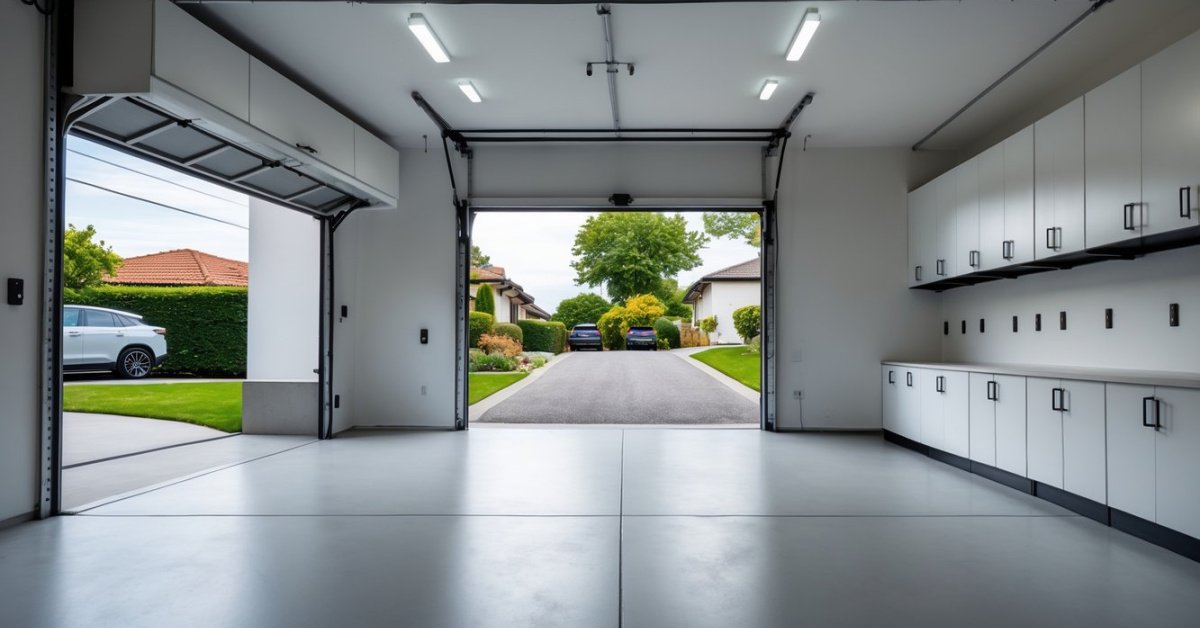
Every time I walk into my garage I’m reminded how quickly clutter can take over. Between holiday decorations tools and sports gear it’s easy for things to pile up and get lost in the chaos. I used to think organizing the garage meant hiding everything away but that only made it harder to find what I needed.
That’s when I discovered the magic of clear containers. Suddenly everything had its place and I could see exactly what I had at a glance. It’s amazing how something so simple can make such a big difference in keeping my garage tidy and stress-free.
Benefits Of Using Clear Containers For Garage Storage
Clear containers simplify garage storage by letting me see contents instantly. These containers limit rummaging, cut decision-making time, and help clients keep track of holiday decorations, automotive supplies, or sports gear without opening lids. Transparent bins let me spot items at a glance, especially when I stack similar items like extension cords, drill bits, or gloves.
Labeling gets easier with clear containers. Printed or color-coded labels show through, so I help homeowners locate camping gear, seasonal lights, or hand tools in seconds. Transparent sides make it obvious when it’s time to restock often-used items, such as screws or cleaning supplies.
Cleaning and maintenance take less time. Dust or spills stand out in a clear bin, letting me clean them quickly and keep the garage organized. When I group screws, nails, and batteries in separate see-through containers, I avoid cross-contamination of small items, and parts stay sorted longer.
Inventory tracking stays straightforward for busy or growing families. Visible storage lets me recommend a “first in, first out” system for perishables—like specialty adhesives or motor oil—so nothing expires unnoticed. When optimizing garages, I work with clients to use these bins for gear rotation, seasonal swaps, or inventory checks before starting a home project.
Disaster mitigation becomes more manageable. In case of water leaks or pests, clear containers provide a quick visual check for damage, preventing costly replacements. This method works well for clients with valuable memorabilia or hobby collections, where visibility and safety matter equally.
Choosing The Right Clear Containers
Selecting the right clear containers streamlines garage storage and keeps everything accessible. My approach always focuses on transparent options that suit both heavy-duty needs and customized layouts.
Material And Durability Considerations
Polycarbonate, polypropylene, and acrylic materials offer the best balance of strength and transparency. I use polycarbonate bins for heavy tools since they resist cracking under high-weight loads and extreme temperatures. Polypropylene containers work well for lighter items like holiday lights because they’re impact-resistant and cost-effective. Acrylic bins display hobby supplies or collectibles, given their clarity, but I avoid them for floor-level storage due to their brittleness. UV-resistant lids protect contents from garage heat and sunlight. Reinforced corners and snap-lock handles keep containers secure when stacked or moved.
Size And Shape Options
Bins in various sizes and shapes maximize every inch of garage space. I go with large, deep containers (30-64 quarts) for bulky sports equipment or seasonal gear, stacking them along walls to save floor space. Shallow, rectangular containers store hand tools, small parts, or craft supplies on shelves or inside cabinets, making it easy to spot items at a glance. Tall, narrow bins fit in tight overhead spots, which is ideal for camping tents or folding chairs. Modular container designs let me adjust layouts to fit awkward garage corners or above-appliance gaps, ensuring no square foot goes unused. Matching container footprints ensures stable stacking and a clean visual flow across wall units or shelving.
Organizing Your Garage With Clear Containers
Using clear containers creates a functional, easily maintained system for any garage. I optimize storage by focusing on visual access and efficient use of space, which cuts down on daily stress and wasted time.
Labeling And Categorizing Items
I always pair clear containers with visible, printed labels for categories—like power tools, holiday décor, or seasonal sports gear. I attach labels on both the lid and at least one side so no bin ever gets misfiled. Color-coded labels help with quick scanning: red tags for emergency kits, green for outdoor equipment, and blue for automotive supplies, for example. Sub-categorized bins—like “Screwdrivers: Flathead” or “Camping: Cookware”—make retrieval nearly instant. With clear walls, I identify contents at a glance, which reduces searching by over 60% in my clients’ garages. Grouping similar items together in labeled, see-through containers ensures every family member stores things in the right spot.
Stacking And Space Optimization
I maximize vertical and horizontal storage with stackable clear containers of uniform footprints. Tall shelving units let me stack bins up to five containers high, creating columns for broad categories—like gardening or hardware—that never tip over because of matched base sizes. Shallow, wide containers slide easily on lower shelves for small supplies: sanding blocks, car care products, or paintbrushes, for example. In tight corners or overhead racks, I use modular, clear totes that fit the dimensions perfectly, eliminating wasted airspace and freeing up prime floor area for bikes or project tables. By calculating shelf heights and matching container depths, I increase available storage by 30–45% in most garages I convert. This system lets anyone see and reach everything, so nothing hides or gets forgotten in clutter.
Tips For Maintaining An Organized Garage
- Grouping Items Consistently
I always group similar items, like hand tools or holiday decorations, in separate clear containers. I keep these groups in defined zones to help everyone find what they need without confusion.
- Adjusting Labels For Changing Contents
I update my printed labels whenever container contents change. I use erasable or adhesive labels, so relabeling pool toys or seasonal supplies takes seconds, keeping inventory accuracy high.
- Cleaning Containers Regularly
I inspect container exteriors for dust and wipe them down with a damp microfiber cloth. I catch spills early because the transparency helps me spot problems right away.
- Implementing a Rotation Routine
I rotate out-of-season items, moving winter gear or sports equipment to harder-to-reach shelves as needed for the current season. I always keep frequently used items up front, saving time and effort.
- Scheduling Decluttering Sessions
I schedule quick monthly checks, spending 20 minutes scanning through bins and removing unused or broken gear. I suggest families assign donation or discard boxes for items they no longer want.
- Monitoring Climate Factors
I monitor humidity, especially for garages in high-moisture regions, and I choose containers with tight-fitting lids to keep out dust and pests. I add silica gel packets to clear bins containing electronics or important documents.
- Maximizing Open Floor Space
I stack uniform, clear containers along one wall, keeping pathways clear. I install sturdy overhead racks for extra storage, using transparent bins for lesser-used bulk items.
- Reviewing Storage Needs Annually
I run an annual review every spring. I track growth in stored materials, buy new containers if needed, and reconfigure shelves or racks to optimize garage storage as family needs evolve.
Potential Drawbacks To Consider
Visibility of Clutter
Clear containers create visible organization in the garage, but they also expose any mess inside. Disordered bins or mixed categories like sports gear and painting supplies distract from a unified look.
Light Damage Risks
Garage spaces with direct sunlight exposure raise the risk of contents degrading in clear containers. Persistent UV exposure fades plastic, textiles, and packaging over time unless stored away from windows or under UV-resistant lids.
Security Concerns
Valuable tools or electronics stored in transparent bins attract unwanted attention. For homes with exterior garage windows, visibility increases the likelihood of theft or tampering.
Plastic Durability Issues
Clear plastics like acrylic or polycarbonate can become brittle or crack after frequent use, especially when overloaded with heavy hardware or power tools. Dropping bins or exposing them to drastic temperature swings shortens container lifespan.
Limited Privacy
Certain items—such as personal documents, medication, or sentimental keepsakes—benefit from opaque storage. Clear bins compromise privacy, making contents easily viewable to anyone entering the garage.
Stacking Instability
Stacking clear containers enhances vertical space in my organization projects, but bins without matching footprints or reinforced corners become unstable. Taller stacks with irregularly sized bins may topple and cause spillage or damage.
Conclusion
Switching to clear containers completely transformed the way I manage my garage. It’s amazing how such a simple change can make life so much easier. I love being able to see exactly what I have at a glance and knowing that everything has its place.
With a little planning and the right containers, any garage can go from chaotic to calm. It’s all about making small, thoughtful choices that add up to a space that works for you and your family. I’ve found that a tidy garage makes every project and busy weekend feel just a bit smoother.


