
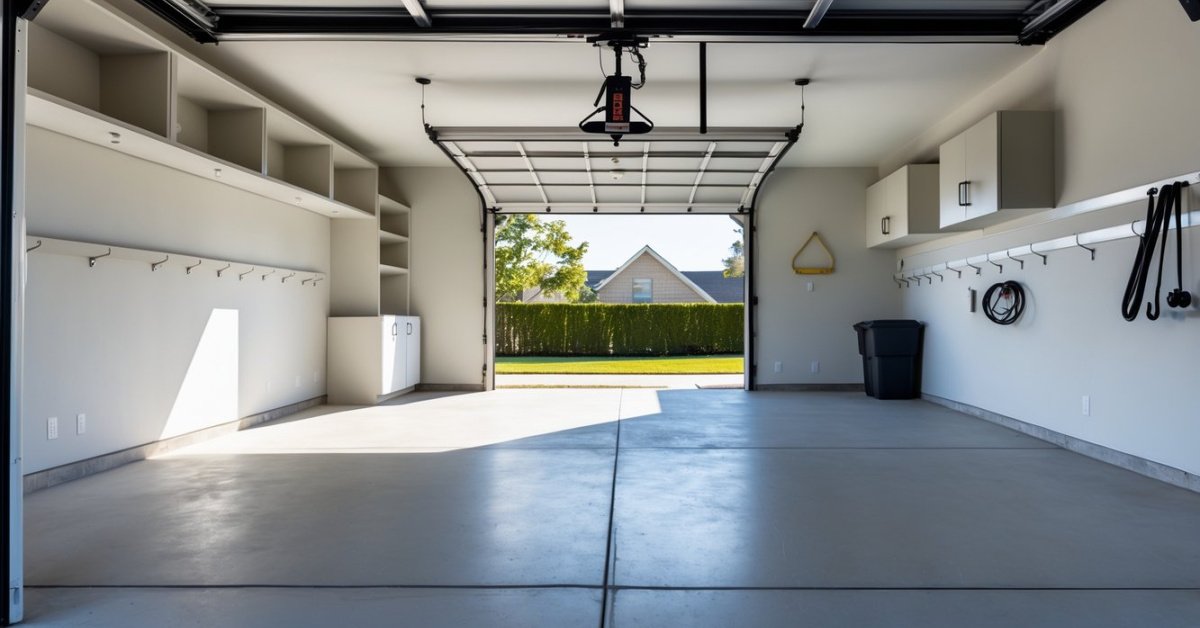
I’ve always loved the idea of turning my garage into a creative workshop where I can tackle any project that comes to mind. Setting up a welding station right at home opens up a world of possibilities—from fixing broken tools to building custom furniture or even crafting metal art. It’s a hands-on way to bring big ideas to life without leaving the comfort of my own space.
Getting started might seem a little overwhelming at first, but I’ve found that with a bit of planning and the right setup, anyone can transform their garage into a safe and efficient welding zone. Whether you’re a seasoned DIYer or just starting out, having your own welding station means you’re always ready to take on new challenges and let your creativity spark.
Assessing Your Space and Safety Requirements
I always start any garage welding project by analyzing the available workspace and planning for essential safety requirements. Every square foot matters when transforming a garage into a functional welding station.
Evaluating Garage Size and Ventilation
I measure the clear floor area and ceiling clearance first, since welding stations need at least 8 by 10 feet of open space for safe material handling and equipment access. I check that I can position my welding table, tool storage, and power sources without blocking doorways or limiting movement. I look for ceiling-mounted storage or wall racks to free up floor space, especially in single-car garages.
I prioritize ventilation, since welding produces harmful fumes. I install exhaust fans near my welding station and use window-mounted box fans or portable fume extractors if the garage lacks built-in ventilation. I keep all airflow directed away from living areas, since even trace fumes can spread quickly. For example, in compact garages with one window, I position fans to exhaust fumes outside and supplement with a carbon monoxide detector for extra safety.
Implementing Fire Safety Measures
I remove all flammable materials from the immediate workspace before I set up any arc or gas welding equipment. I mount a class ABC fire extinguisher within arm’s reach of the welding table and store extra extinguishers by each exit. I install a welding curtain or fire-resistant welding blanket behind my work area to block sparks from reaching stored items or drywall.
I check the floor material before welding—bare concrete is safest, since wood or carpet increases fire risk. I place a spark-resistant mat under my welding zone to protect surfaces and collect stray sparks. I confirm that outlets and extension cords have the right amperage for the welder’s power requirements, since overloading circuits can cause electrical fires. In garages with attached living spaces, I seal cracks in doors and install a smoke detector to boost safety.
Choosing the Right Welding Equipment
Selecting welding equipment for a home garage means balancing performance, size, and usability. I consider how each tool fits into the overall space plan to maximize efficiency without crowding the workspace.
Selecting a Welding Machine
Assessing welding machine types helps me match each model to a garage environment. For most home projects, I recommend:
- MIG welders: Simple to use, handle mild steel, aluminum, and stainless (examples: Hobart Handler 140, Lincoln Electric 140).
- TIG welders: Provide precision with thin metals and custom fabrication (examples: AHP AlphaTIG 200X, Miller Diversion 180).
- Stick welders: Suit thicker materials or outdoor repairs, require minimal prep (examples: Lincoln Electric AC225, Forney Easy Weld 298).
I choose machines with compact footprints, integrated safety features, and input voltage options compatible with typical residential outlets (120V/240V). I position the welder close to the workbench but ensure there’s at least three feet of clearance for ventilation and movement.
Essential Tools and Accessories
Outfitting the welding station with key accessories improves workflow and safety. My go-to list includes:
- Auto-darkening helmet: Shields eyes, adjusts tint automatically (examples: Miller Classic Series, Lincoln Viking 3350).
- Welding gloves and jackets: Offer protection from sparks and heat, typically made of leather.
- Welding cart: Keeps the machine, gas cylinder, and tools organized, ensuring mobility.
- Clamps and magnets: Hold pieces in place during tack-ups (examples: Strong Hand Tools welding clamps, MagTab magnets).
- Angle grinder: Prepares and finishes welds, ensures smooth edges (examples: DEWALT DWE402, Bosch GWS8-45).
- Wire brush and chipping hammer: Clean up slag and spatter for quality results.
- Measuring tools: Include steel rulers, squares, and soapstone markers for accurate layouts.
I wall-mount storage racks and magnetic tool holders to save bench space and keep everything accessible. By aligning equipment and accessories this way, every inch of the garage serves the welding workflow, supporting both safety and creative freedom.
Organizing Your Welding Station Layout
Every inch of garage space counts when I’m designing a welding station. A carefully planned layout makes the difference between a cluttered corner and a fully functional workshop that sparks creativity.
Workbench Placement and Storage Solutions
Positioning the workbench against a wall creates open floor space for moving large metal pieces or handling rolling equipment. I install heavy-duty shelves and pegboards above the bench to keep essentials, like clamps and wire brushes, within reach but off the surface. Under-bench cabinets house power tools, welding rods, and protective gear, keeping dust and sparks away from sensitive items. When floor space is tight, I mount fold-down benches or use mobile worktables that tuck out of sight after use. Dedicated bins and magnetic trays along the wall streamline storage for consumables—abrasive discs, welding wire, and fasteners all have labeled, grab-and-go spots.
Managing Power Supply and Cables
Allocating outlets close to the workbench cuts down on dangerously stretched cords. I recommend grounded 240V outlets for welders, with GFCI protection for extra safety. Ceiling-mounted retractable extension reels and wall-mounted cord organizers eliminate trip hazards. I secure cable management hooks along baseboards for stowing unused cords and keep them off hot surfaces to reduce wear. Clearly marked power switches near exits make it simple to shut down everything quickly if I need to.
Ensuring Proper Ventilation and Fume Extraction
Proper garage ventilation ensures a welding station stays safe and usable. Harmful welding gases and particulates collect without targeted airflow or extraction systems, limiting comfort and project quality.
Installing Fume Extraction Systems
I always integrate fume extraction systems into every garage welding upgrade. Wall-mounted exhaust fans pull fumes directly outside, preventing recirculation inside the home. Portable fume extractors capture smoke and gas right at the welding arc—units from brands like Lincoln Electric and Miller process up to 875 cubic feet per minute, suitable for most two-car garages. Ducted vent hoods work well when there’s a fixed location for regular welding, channeling fumes through flexible hoses to an outside vent. I recommend placing inlets within 12 inches of the weld zone for best efficiency. If central systems aren’t possible, adding window fans or creating cross-ventilation with opposing openings helps move contaminated air away from the workspace.
Using Personal Protective Equipment
Personal protective equipment reduces direct exposure to residual fumes in any ventilated garage welding area. I keep NIOSH-approved respirators, such as half-mask types with P100 filters, in the PPE area for clients and visitors. Welding helmets with built-in powered air-purifying respirators (PAPR) filter smoke particulates right at the source—ideal for frequent fabricators. I also stock flame-resistant coveralls and gauntlet gloves that block both sparks and off-gassing from molten metals. Strategically placing PPE storage near the welding zone encourages use and simplifies workflow while reinforcing health and safety for every welding project.
Maintenance and Routine Checks
Maintaining a welding station in the garage goes beyond initial setup. I keep every component clean, safe, and organized to maximize both longevity and functionality in the workspace.
Keeping Your Equipment in Top Condition
I inspect each welding machine, cable, and tool before every session. I check for frayed cords, loose connections, or visible wear to prevent electrical hazards—especially with frequently used items like MIG guns and angle grinders. I lubricate moving parts, such as torch mechanisms and adjustable clamps, after each week of use. I replace welding consumables (tips, nozzles, wire) as soon as I notice spatter buildup or inconsistent current. I store gas cylinders upright and secure them with wall brackets to avoid accidental tipping.
Routine Inspections Checklist
| Task | Frequency | Key Focus Areas |
|---|---|---|
| Cable and connection checks | Before each session | Fraying, looseness |
| Tool lubrication | Weekly | Joints, hinges |
| Consumables replacement | As needed | Tips, nozzles, wire |
| Cylinder security | Monthly | Brackets, valves |
Cleaning and Organizing Your Work Area
I sweep dust and metal filings from the ground at the end of every day. I use a magnetic broom for smaller filings in work corners and under benches. I wipe down benches and shelves with a damp cloth twice weekly to keep surfaces free of debris and residue. I return each tool to its labeled space on wall-mounted racks or magnetic strips after use. I store personal protective equipment in ventilated lockers near the work zone to avoid cross-contamination with metal dust. I empty trash and recycling bins at the end of each project to keep floor space clear for upcoming tasks.
By staying intentional about these routines, I maintain a reliable, orderly welding area that supports creativity without sacrificing efficiency or safety.
Conclusion
Setting up my welding station in the garage has opened up a world of possibilities right at home. Each project feels more rewarding knowing I’ve created a space that’s both safe and inspiring.
If you’re thinking about starting your own welding corner don’t hesitate. With a little planning and ongoing care your garage can become a hub for creativity and hands-on achievement. There’s nothing quite like the satisfaction of building and fixing things with your own two hands.


