
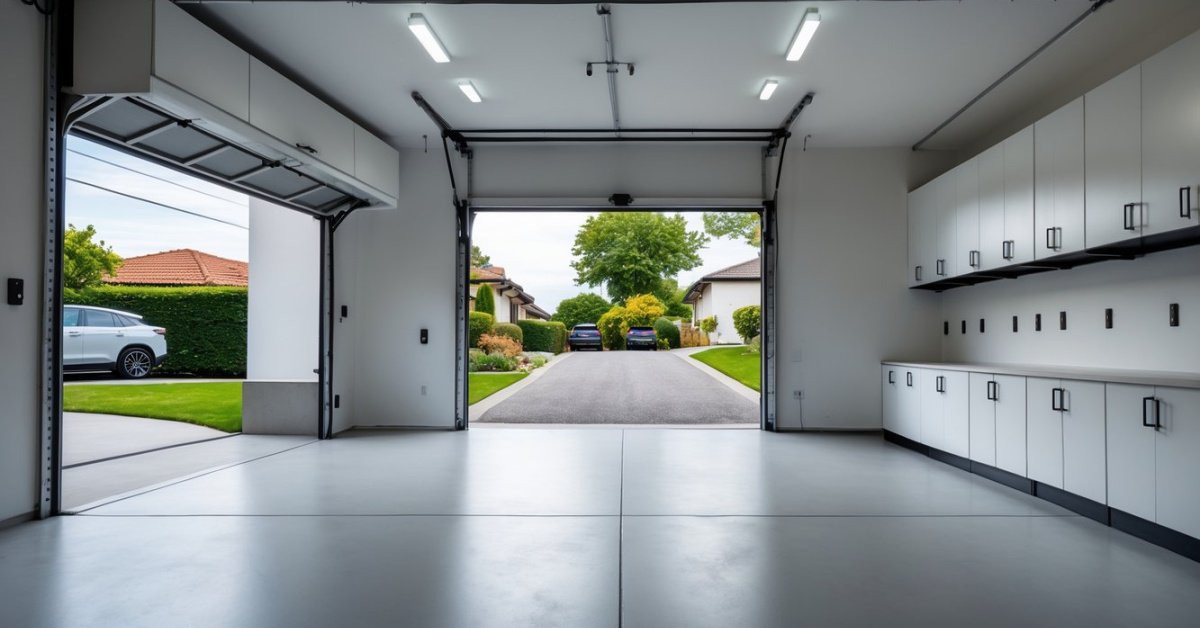
Every time I get back from a camping trip my garage looks like a tornado hit it. Sleeping bags spill out of bins and tangled ropes seem to multiply overnight. I know I’m not alone—finding a good spot for all that gear can feel impossible.
I’ve learned that a little organization goes a long way. With the right storage solutions I can keep my tent poles and lanterns easy to find and ready for the next adventure. Let me share some simple ideas that’ll help you reclaim your garage and make packing for your next trip a breeze.
Why Garage Storage for Camping Gear Matters
Organizing garage storage for camping gear creates usable, efficient space and cuts down prep time before each trip. I see most garages cluttered with tents, sleeping bags, and cook stoves scattered across the floor. Streamlining gear into dedicated storage zones boosts accessibility, protects items from damage, and frees up floors for other activities. Assigning shelves, bins, and wall hooks to specific gear groups like backpacks, lanterns, and cookware turns chaos into order and speeds packing and unpacking.
Protecting camping equipment matters since moisture, pests, and temperature swings ruin fabrics and electronics if left loose. Elevating sleeping pads on racks, sealing lights in labeled containers, and hanging water carriers helps keep everything dry and intact, especially after rainy outings. That protection extends the life of equipment and saves money on replacements.
Keeping gear organized in the garage lets owners spot missing or worn-out items as soon as they unpack, not the night before a trip. Easy access and clear visibility reduce duplicate purchases and last-minute emergency runs, which clients always mention. Efficient garage storage also gives back square footage for bikes, tools, and seasonal decor, maximizing every inch available.
From my experience, turning a garage into a structured camping hub simplifies routines, keeps gear in good condition, and makes every adventure start stress-free.
Key Features to Look for in Garage Storage Solutions
I focus on features that keep camping gear safe, organized, and ready for any adventure. Selecting the right garage storage options makes every square foot count and ensures fast, stress-free packing.
Durability and Weather Resistance
Reliable garage storage for camping gear uses heavy-gauge steel shelves, powder-coated racks, or high-impact plastic bins. Sturdy materials hold up against bumps from backpacks or coolers. Sealed containers and rust-resistant hardware protect tents and sleeping bags from moisture, dust, and pests. I specify off-the-floor solutions, like wall-mounted hooks, to reduce contact with temperature swings and water.
Space Optimization
Effective garage storage maximizes vertical surfaces with slatwall panels, ceiling-mounted racks, and overhead pulley systems. Modular shelving keeps bulky items, such as coolers and tents, stacked and out of the way. Adjustable shelves and stackable bins fit changing gear collections, from compact stoves to large tents. I design zones for small accessories—think labeled baskets for lanterns or carabiners—to clear floor space and boost flexibility.
Accessibility and Organization
Practical garage setups group camping gear by activity or family member. Open shelving, clear bins, and labeled drawers let campers spot gear at a glance. Hanging racks for hiking packs, pegboards for cooking sets, and tilt-out bins for shoes or tarps keep gear visible and within reach. Color-coded systems and regularly updated inventory checklists maintain order and speed up packing for every trip.
Top Garage Storage Options for Camping Gear
Smart garage storage keeps camping gear organized and ready for the next adventure. I always use a mix of shelving, hanging, and bin storage to maximize every square foot and protect valuable equipment.
Shelving Units and Racks
Sturdy shelving units store bulky gear like coolers, tents, and stoves off the floor. I install adjustable steel shelving to fit varying item heights, combining deep racks (at least 18″) for big bins and narrow shelves for lanterns or cookware sets. Free-standing racks near garage doors make quick loading easier. Customers often ask for powder-coated metal to resist humidity. Multiple shelves, stacked vertically, free up precious floor area for other garage uses.
Wall-Mounted Hooks and Pegboards
Wall-mounted hooks and pegboards keep essential camping gear visible and instantly accessible. I recommend heavy-duty, coated hooks for securing sleeping bags, backpacks, and camp chairs. Pegboards let owners arrange smaller items—headlamps, water bottles, folding utensils—within reach. These systems adapt to changing storage needs; repositionable attachments hold anything from lanterns to trekking poles. Installing these above workbenches or near exits makes grabbing last-minute items quick and streamlined.
Storage Bins and Containers
Clear, lidded storage bins sort and shield gear from dust and pests. I use high-impact plastic containers for weather resistance and durability, stacking them on shelving to create flexible storage zones for kitchen kits, first-aid supplies, or dry goods. I label bins and sometimes color-code by activity, family member, or trip type. For small parts—matches, batteries, repair tools—modular drawer containers maintain order inside bins. Airtight seals and translucent materials let owners check inventory without unstacking everything.
Tips for Organizing Camping Gear in Your Garage
Organized garage storage for camping gear transforms any space, making adventure prep efficient and stress-free. I use proven strategies to create garage layouts that maximize visibility, usability, and longevity for all equipment.
Categorizing and Labeling Equipment
I group camping gear into clear categories such as shelter (tents, tarps), sleeping (pads, bags), cooking (stoves, fuel, utensils), food storage (coolers, bins), and lighting (headlamps, lanterns). By assigning each category a dedicated bin or shelf, I eliminate wasted time searching for single-use items. Transparent containers let me immediately spot missing gear; color-coded bins ensure each family member’s supplies are easy to locate. I attach weatherproof labels to bins—examples like “TENT & SLEEPING”, “CAMPSITE KITCHEN”, or “EMERGENCY LIGHTS”—with large, bold text. Inventory checklists on bin lids highlight which items belong inside, so I avoid double purchases and always know what needs restocking.
Seasonal Rotation and Maintenance
I rotate gear in my garage according to season, storing rarely-used items like snowshoes or oversized tents higher up in the off-season while keeping essentials accessible year-round. Frequent checks for mold, damage, or missing parts let me catch issues early. Between trips, I inspect tent seams, clean cookware, and recharge electronic items before they’re returned to their labeled bins. I use moisture absorbers in sealed storage to fight humidity and mildew during long storage periods. Seasonal adjustment frees up garage floor space for other home projects, while regular gear maintenance extends the life of every item.
Pros and Cons of Garage Storage for Camping Gear
Pros
- Maximized Usable Space
Optimized garage storage for camping gear gives clients more room for vehicles, sports equipment, and workbenches. By reclaiming vertical and overhead zones, I regularly clear up to 40% of cluttered floor space.
- Enhanced Gear Protection
Strategic garage storage shields tents, stoves, and sleeping bags from moisture, rodents, and sun exposure. Gear stored in sealed bins on powder-coated shelving often lasts several seasons longer than gear left loose.
- Streamlined Packing and Prep
Grouping items in labeled bins and drawers shortens prep time before every camping trip. Most of my customers cut packing time by half after implementing dedicated garage storage systems.
- Visual Inventory Management
Clear bins, color-coded racks, and zone assignments allow instant checks for missing or damaged gear. Easy access means fewer duplicate purchases and less waste.
- Multi-Purpose Functionality
Garage storage zones adapt for other hobbies. Modular shelving and interchangeable bins make it easy to switch from camping to fishing, biking, or seasonal decor as needs change.
Cons
- Exposure to Climate Fluctuations
Most garages lack climate control, so extreme heat or freezing temperatures can damage sensitive camping gear like propane canisters or inflatable mattresses.
- Potential for Pest Intrusion
Garage doors and wall gaps sometimes let in insects or rodents. Even sealed bins aren’t always pest-proof if stored on the floor or near exterior walls.
- Limited Space for Larger Setups
Oversized camping gear—like rooftop tents or multi-room shelters—often requires custom racks or overhead hoists, and some garages may not offer enough ceiling clearance.
- Initial Setup Time and Cost
Designing, sourcing, and installing a storage solution takes effort and investment. Professional-grade shelves, bins, and wall systems start from $300 to $1,000+ depending on layout and square footage.
- Maintenance Required
No system stays tidy without upkeep. Labels fade, bins crack, and seasonal gear piles up if schedules don’t include regular reorganizing and inspections.
Conclusion
Organizing my camping gear in the garage has made a world of difference for my adventures. I no longer waste time searching for missing items or dealing with last-minute surprises. With a little planning and the right storage solutions my garage feels less cluttered and my gear stays in great shape.
Every trip now starts with confidence knowing everything I need is easy to find and ready to go. If you’re tired of chaos after every camping trip a bit of garage organization can really transform your experience.


