
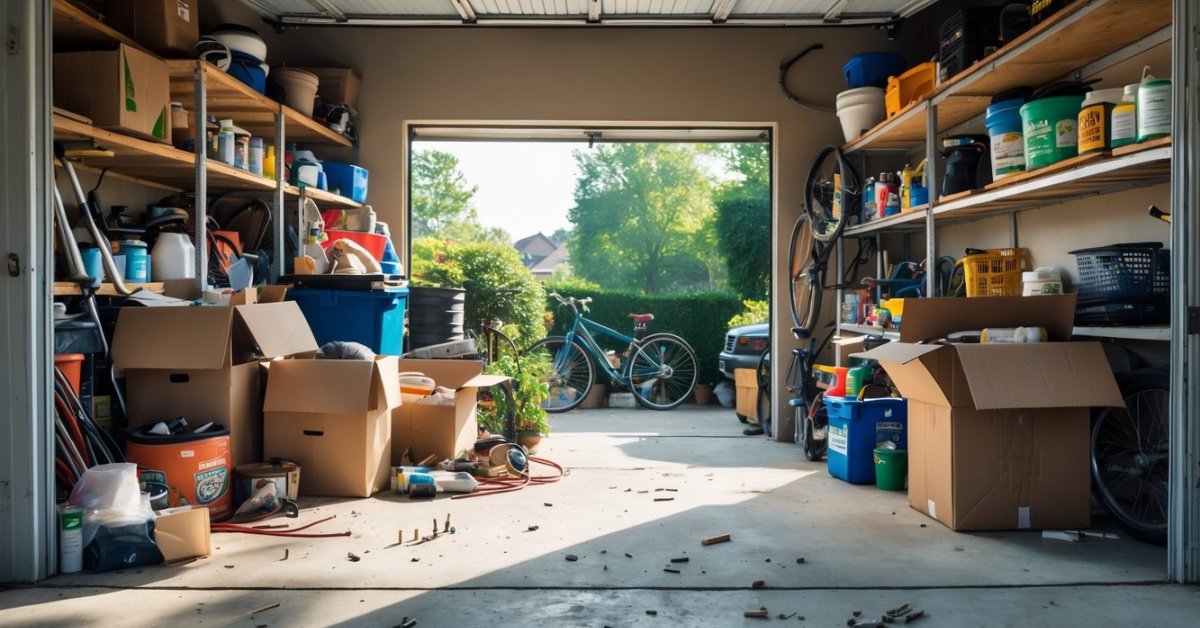
I’ve always loved tinkering in my garage whether it’s fixing up an old bike or starting a DIY project. But like many others I quickly realized how easy it is to collect products like paint thinner gasoline and cleaning fluids—without thinking much about where or how I store them. It’s easy to forget that these everyday items can be dangerous if not handled with care.
Keeping flammable materials safe isn’t just about following rules—it’s about protecting my family and home from unexpected accidents. I want my garage to be a place for creativity not risk. That’s why I’ve learned that a few simple habits can make a big difference when it comes to storage and safety.
Understanding Flammable Materials in Garages
Flammable materials often end up in home garages because people use these spaces for storage and various projects. I see products like gasoline, oil-based paints, propane tanks, and aerosol cans in almost every garage I optimize. These materials pose risks because vapors from even small quantities can ignite with minimal sparks or heat sources.
Product labels display standardized flammability warnings using terms like “flammable,” “combustible,” and “explosive.” Knowing these key labels makes sorting and storing materials easier when I plan a safe, organized garage. Flammable liquids such as paint thinners, cleaning solvents, and gasoline are examples that evaporate quickly, releasing highly ignitable vapors even at room temperature.
Quantity affects risk—one-gallon gasoline cans create different hazards than smaller touch-up paint bottles. Storing concentrated products increases the need for designated containment and ventilation. In climates that experience seasonal temperature swings or humidity, flammable material storage becomes critical, since temperature shifts increase vapor pressure and accident potential.
Understanding the specific garage materials in question helps me design safer, more efficient garage solutions while maintaining flexibility for hobbies and storage needs. If I know what substances are present and how flammable they are, I can recommend specialized cabinets or improved air flow as part of an optimized garage layout.
Legal Requirements and Safety Standards
Safe storage for flammable materials in garages connects directly to local legal requirements and national safety standards. I always factor these rules into garage conversions since even small code violations can put my clients’ projects and safety at risk.
Local Regulations and Codes
Local regulations cover how flammable materials like gasoline and paint thinners can be stored in residential garages. I check municipal fire codes, which often limit the total quantity—some codes cap gasoline at 25 gallons in listed containers, for example. Most city codes require approved safety cans for flammable liquids and prohibit storage near ignition sources like water heaters or furnaces. I also confirm building codes to ensure any storage cabinets used for flammables meet UL 1275 or NFPA 30 construction standards.
Importance of Compliance
Compliance with these rules enables me to deliver safe, insurable garage conversions. Non-compliant storage keeps garage spaces from passing inspections and can void home insurance policies. Code violations lead to fines or forced removal of improperly stored materials in some cities. By following current codes, I ensure every garage conversion provides owners with useful, legal, and safe space for both daily activities and special hobbies.
Best Practices for Safe Storage
I prioritize safety and efficiency when I design home garage conversions, especially where flammable materials are present. Smart storage solutions not only protect the space but also optimize every square foot for creative and practical uses.
Appropriate Containers and Cabinets
I use only containers listed as approved by OSHA or NFPA for storing flammable materials like gasoline or paint thinner. Metal safety cans with spring-closing lids and flame arresters limit vapor release and accidental ignition. For paints (oil-based) and solvents, I install vented flammable storage cabinets designed to contain internal explosions and marked with clear hazard signage. I always separate these cabinets 3 feet or more from ignition sources such as water heaters, furnaces, or electrical outlets. Lockable cabinets help prevent unauthorized access and keep small children safe.
Proper Labeling and Segregation
I label every container with the material name, hazard level, and date of storage so anyone can identify contents instantly. When organizing storage cabinets, I group materials by category—like separating gasoline from propane or cleaning agents. This system reduces the risk of dangerous chemical reactions and improves emergency response times. If clients stock multiple types of aerosols or solvents, I set up individual bins to minimize cross-contamination and simplify inventory checks. With all materials clearly labeled and segregated, the garage stays both safer and more organized for daily use.
Ventilation and Environmental Controls
Balancing air movement and environmental conditions in a garage helps keep flammable materials stable and reduces overall hazard. I rely on targeted ventilation and climate controls when planning safe storage for anything flammable.
Reducing Fire Risks with Ventilation
Installing dedicated garage ventilation systems helps lower concentrations of ignitable vapors. I usually recommend powered exhaust fans rated for hazardous locations—for example, models certified to NFPA 91 standards—because they help remove fumes from stored gasoline, oil-based paints, and solvents. Positioning vents near workbenches and flammable storage cabinets optimizes airflow where risk is highest. Ensuring that vent paths avoid ignition sources like water heaters or electrical panels further reduces fire risk.
Controlling Humidity and Temperature
Maintaining stable humidity and temperature inside your garage extends storage life and minimizes spontaneous ignition risks. I often add insulated garage doors, vapor barriers, and weatherstripping to limit outdoor air and moisture intrusion. When storing items like aerosol cans or propane tanks, I install thermostatic exhaust fans or mini-split ACs to keep temperatures consistently below 80°F. Digital hygrometers let my clients monitor humidity, which I aim to keep below 50% for optimal safety. These upgrades also make garages more comfortable for projects and tool storage.
Placement and Organization Tips
Optimizing garage storage for flammable materials always starts with strategic placement and careful organization. I focus on maximizing both usability and safety, which keeps your garage efficient and hazard-free.
Distance from Heat Sources
Proper distance protects flammable materials from accidental ignition. I place all flammable storage cabinets at least three feet away from water heaters, furnaces, or electrical panels. For example, if you store gasoline, paint thinner, or propane, I never position these near outlets, extension cords, or tool chargers. I avoid overhead storage areas just above vehicles, since engine heat can cause dangerous vapor buildup. Every installation in my projects considers the risk of radiant heat and open flames, following the National Fire Protection Association (NFPA) recommendations for residential garages.
Safe Access and Emergency Planning
Quick, clear access to flammables and emergency exits increases safety in any garage conversion. I always leave at least thirty-six inches of unobstructed clearance in front of storage cabinets. This allows fast entry without moving other items first. For example, I don’t position tool chests, rolling carts, or boxes directly in front of hazardous materials. I post a visible list of stored chemicals and their storage dates inside the door of each cabinet for easy reference. I also make sure every homeowner knows the location of fire extinguishers, and I keep them within ten feet of each flammable storage point. To ensure emergency egress, I never block garage doors or side exits with storage solutions. Emergency numbers and spill response instructions are mounted on the wall next to cabinet zones.
Common Mistakes to Avoid
Storing flammable materials in original packaging instead of approved containers creates significant risks. I often find garages packed with paint cans and fuel jugs that aren’t rated for long-term storage or accidental knocks.
Placing containers near ignition sources like water heaters, furnaces, or electrical outlets remains a frequent oversight. I see many garages with gasoline cans stashed close to high-use appliances, which increases the odds of accidental ignition.
Ignoring expiration dates or missing hazard labels causes confusion when sorting chemicals. I notice that unlabeled or expired containers often end up forgotten on shelves. This complicates emergency responses and increases the chance of accidents.
Failing to ventilate storage areas traps hazardous vapors. I spot many well-sealed garages where flammable liquids accumulate behind tightly shut doors, raising fire risks and reducing air quality.
Blocking access to fire extinguishers and emergency exits limits first response during accidents. I regularly encounter cluttered garages where storage cabinets and extinguishers are hidden behind stored vehicles or bulky gear, preventing quick action.
Mixing incompatible chemicals like acids and solvents in shared spaces releases toxic vapors or starts chemical reactions. In some projects, I discover shelves holding multiple types of flammable materials side by side with household cleaning products, which amplifies hazards.
Overfilling shelves with heavy or unstable containers increases the risk of spills. I sometimes see unsafe stacking of one-gallon cans or propane tanks, which topples easily and causes leaks.
Letting debris collect around storage zones increases fire loads and restricts movement in emergencies. I recommend keeping storage areas clean and restricting flammable material zones to prevent flares and allow easy evacuation.
Conclusion
Taking a few extra steps to store flammable materials safely in my garage has given me real peace of mind. I know my workspace is safer for my family and for all the projects I love to tackle.
A well-organized garage that follows safety best practices lets me focus on creativity instead of worrying about hidden hazards. With a little planning and attention to detail I can keep my garage both inspiring and secure for years to come.


