
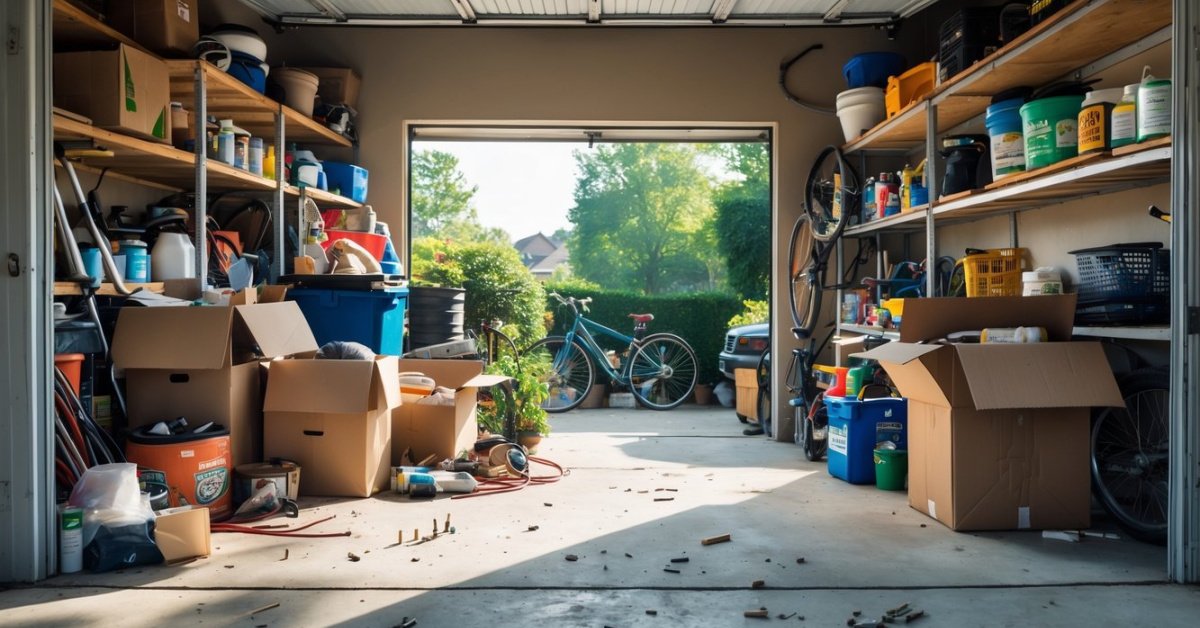
Whenever I start a project in my garage workshop I know dust is going to be everywhere. Sawdust piles up fast and it doesn’t take long before it’s coating every tool and surface. Keeping the air clean isn’t just about tidiness—it’s about protecting my lungs and making sure my workspace stays safe and comfortable.
Finding the right dust collection system can make all the difference. I’ve tried a few setups over the years and learned that not all systems are created equal. If you’re tired of battling clouds of dust every time you work this guide will help you discover the best dust collection systems for garage workshops. Let’s make shop cleanup easy and keep the air clear so you can focus on your next project.
Key Factors to Consider When Choosing a Dust Collection System
Choosing a dust collection system shapes how you optimize garage workshop space. Every factor impacts workspace cleanliness, usability, and project outcomes.
Workshop Size and Layout
Workshop size and layout influence the system’s effectiveness. In compact single-car garages, I use wall-mounted or portable units to save footprint. In large workshops with multiple zones, I recommend central collectors connected to ductwork for coverage. Placement at source points like miter saws or sanders increases capture efficiency and keeps traffic areas clear.
Filtration Efficiency
Filtration efficiency determines how well the system captures fine particles and allergens. Systems with HEPA or 1-micron filters trap particles like MDF dust and hardwood shavings that typical household vacuums miss. I look for models with sealed filter housings to prevent leaks, especially if garage users have respiratory sensitivities.
Noise Levels
Noise levels affect work environment comfort and home impact. I check decibel ratings and always pick systems under 75 dB for garages attached to living areas. Some models use insulated fans and vibration dampeners, so I install those for owners sensitive to sound or who use the garage late at night.
Portability and Ease of Installation
Portability and ease of installation simplify future garage reconfigurations. For clients who rearrange workbenches or storage, I select units with caster wheels and quick-connect hoses. Lightweight models let homeowners handle setup alone. Wall-mount kits work if floor space is highly valued, but I confirm stud locations before recommending them.
Top Dust Collection Systems for Garage Workshops
Dust management keeps garage workshops optimized for safety, equipment longevity, and efficient project work. I match each dust collection system with specific garage needs, focusing on filtration, footprint, and flexibility.
Best Overall Dust Collection System
I place the Oneida Dust Deputy Deluxe Cyclone Separator Kit at the top for its strong cyclone action and easy integration with shop vacs. HEPA-grade filtration traps dust particles down to 0.3 microns, supporting safe air quality in compact and mid-sized spaces. Sturdy 5-gallon drum simplifies disposal, and included hoses make setup simple for most bench and power tools. Performance stays high even with extended use, which helps during lengthy woodworking or renovation jobs.
Best Budget-Friendly Option
I recommend the WEN 3401 5.7-Amp Dust Collector for cost-conscious upgrades without sacrificing power. The 660 CFM motor provides reliable suction for saws, sanders, and routers. Swivel casters increase mobility in tight layouts, and the compact unit tucks away neatly against a wall when not needed. Removable dust bag and standard 4-inch hose port work well across diverse tool setups, meeting most suburban garage needs.
Best Portable Dust Collector
I rely on the Makita XCV11Z 18V LXT Cordless Wet/Dry Dust Extractor for maximum portability. Lithium-ion battery power removes cords and outlets from consideration, letting me move between job sites or corners without restriction. Dual wet/dry functionality works across woodworking and car detailing projects. Lightweight 10.1-pound frame and shoulder strap free up both hands, making it a fit for single-bay garages lacking fixed install space.
Best Wall-Mounted Dust Collection System
I turn to the Powertec DC5370 Wall Dust Collector for vertical space optimization. Its 537 CFM air flow manages dust at lathes, planers, and miter saws. The mountable bracket keeps the collector off work surfaces and the floor, clearing more room for storage or equipment. The transparent 2.5-micron dust bag lets me monitor fill levels, helping streamline cleaning schedules in multi-use garages.
| System | Type | Airflow (CFM) | Filtration | Portability | Key Feature |
|---|---|---|---|---|---|
| Oneida Dust Deputy Deluxe Cyclone | Cyclone Separator | N/A (Shopvac) | 0.3 micron HEPA | Medium | Cyclone separation, easy cleanup |
| WEN 3401 | Wheeled Base | 660 | Standard bag | High | Compact, budget-friendly |
| Makita XCV11Z 18V LXT | Cordless Portable | N/A | HEPA | Maximum | Wireless, wet/dry functionality |
| Powertec DC5370 | Wall-Mounted | 537 | 2.5 micron bag | Medium | Wall-mount, clear bag |
Pros and Cons of Popular Dust Collection Systems
Oneida Dust Deputy Deluxe Cyclone Separator Kit
- Pros
Cyclone technology efficiently separates 99% of dust and debris, so my filters stay cleaner longer and suction stays consistent. Compact footprint fits in tight garage corners, making it ideal for smaller workshops with limited floor area. HEPA-grade filtration handles fine particles, which is especially useful if clients have allergy sensitivities or run precise woodworking tools.
- Cons
Assembly takes some extra time—I’ve spent 30+ minutes on setup in cramped spaces. Frequent emptying needed for heavy users since the bin fills faster than high-capacity models. Initial cost lands higher than most shop vac options, which might stretch budgets for simple upgrades.
WEN 3401 5.7-Amp Dust Collector
- Pros
Affordable pricing makes this system a go-to starter for most garage workshop projects. Lightweight frame includes built-in casters, so I move it fast between stations or out of the way for car parking. Moderate suction—600 CFM—handles light-to-medium sawdust and debris, which matches casual woodworking needs.
- Cons
Single-stage filtration misses ultra-fine dust, so airborne particles linger in garages with poor airflow. Metal housing produces noticeable noise (up to 79 dB), complicating use in garages under bedrooms or next to living areas. Bag fills quickly in larger workshops, which means frequent stops for emptying during bigger jobs.
Makita XCV11Z 18V LXT Cordless Wet/Dry Dust Extractor
- Pros
Cordless portability lets me reach corners and vehicles without tripping over wires, speeding up cleaning after each project. Wet/dry functionality handles sawdust, drywall debris, and liquid spills, covering more cleaning bases for multi-use garages. Compact body mounts onto shelves or hangs on hooks, saving precious floor space for storage bins or tool carts.
- Cons
Battery runtime—averages 30 minutes per charge—limits continuous use in projects generating lots of dust. Tank size (2 gallons) suits touch-ups but can’t keep up with whole-workshop jobs, forcing interruptions for emptying. Onboard filter requires regular maintenance to prevent loss of suction, especially when cleaning fine drywall dust.
Powertec DC5370 Wall Dust Collector
- Pros
Wall-mount design clears floors, instantly freeing up space for workbenches, cabinets, or vehicle parking. Strong suction (537 CFM) works reliably for stationary tools like table saws and planers, which I often set up along wall runs. Quick-release bag system speeds up disposal and swap-outs, streamlining my end-of-day routine.
- Cons
Permanent wall installation reduces flexibility if I need to reconfigure the workshop layout later. Noise level (85 dB) ranks higher than portable units, so it’s less suited for shared living-Garage boundaries. Limited to single-machine hookups unless extra ductwork is added, which adds another step if I want system expansion.
Tips for Maximizing Dust Collection Efficiency in Your Garage Workshop
Optimize system placement for airflow
I place dust collection systems as close as possible to the most-used tools—like table saws, sanders, or planers—to reduce hose length and airflow resistance. Short straight runs with minimal bends maximize suction power and keep fine dust from settling in the ductwork.
Seal all connections and joints
I use high-quality aluminum tape or clamp-on rubber seals at every duct and hose junction. Even small air leaks at joints can drastically reduce a system’s efficiency, letting fine particulates escape into your workspace.
Upgrade to fine filtration
I select filters rated MERV 13 or higher or install HEPA filters for best capture of sub-micron dust—especially when clients have allergies or use their garage as a hobby studio.
Incorporate blast gates at each tool
I install blast gates along each branch line, directing full suction exactly where it’s needed. When only one gate’s open at a time, suction power at the active tool stays strong and effective.
Keep filters and collection bins clean
I recommend checking filters and emptying collection bags or bins after every major project. Clogged filters and overfull bins reduce airflow immediately, causing fine dust to recirculate in the garage.
Position outlets to minimize tripping hazards
I plan hose runs along walls or ceilings, using wall-mounted or ceiling hooks to keep pathways clear. This organization creates a safer environment and leaves more open floor space for vehicles or project work.
Regularly inspect for wear and tear
I check hoses, clamps, and adapters for cracks, holes, or looseness every three to six months. Early detection keeps dust from leaking and prevents sudden system failures during heavy use.
Integrate auxiliary air cleaning
I add portable air filtration units in garages frequently used for painting or fine woodwork. These units, like box-style HEPA air cleaners, further reduce airborne particulates and maintain healthier air.
Maximize storage for hoses and accessories
I use vertical wall-mounted rack systems or overhead shelves to store idle hoses, adapters, and spare filters, keeping the garage tidy and making every square foot count.
| Optimization Tip | Implementation in Garage Workshops |
|---|---|
| System Placement | Near high-use tools, shortest hose runs |
| Connection Sealing | Aluminum tape, rubber clamps at all joints |
| Filtration Upgrade | MERV 13+, HEPA for allergy-sensitive users |
| Blast Gates | One at each tool’s branch, use one at a time |
| Routine Cleaning | Empty bins, clean filters after each major use |
| Smart Hose Routing | Mount hoses on walls or ceiling for safety |
| Regular Inspection | Check hoses, clamps, adapters quarterly |
| Secondary Air Filtration | Use HEPA air cleaners for fine dust environments |
| Accessory Storage | Wall racks, overhead shelves for all extras |
Conclusion
Choosing the right dust collection system has made a huge difference in my garage workshop. Clean air and an organized space let me focus on what I love—building and creating—without worrying about health risks or endless cleanup.
No matter your budget or shop size there’s a system out there that fits your needs. Investing in a good dust collector is one of the best decisions you can make for both your projects and your well-being. Happy woodworking!


