
Every time I walk into my garage I’m reminded how quickly clutter can take over. Tools sports gear and random boxes seem to multiply overnight making it tough to find anything when I need it. I know I’m not alone—most of us dream of a garage that’s tidy and easy to navigate.
That’s where modular storage systems come in. These clever setups let me customize my space to fit my needs whether I’m storing bikes or just trying to keep paint cans off the floor. With a little planning I can finally turn my garage into a space that works for me not against me.
What Are Modular Storage Systems?
Modular storage systems use individual units that connect or stack in different ways to build flexible garage organization setups. I combine cabinets, shelving, hooks, and wall panels to match each garage’s layout and storage needs. These units install on walls, floors, or ceilings, adapting to odd corners and maximizing all vertical or horizontal surfaces.
Each modular component serves a specific function. Cabinets keep seasonal gear, like holiday lights or camping tents, dust-free. Shelves make high-use items, such as toolboxes and cleaning supplies, easy to grab. Slatwall panels secure hooks, bins, or baskets for sports equipment and hand tools. Rolling carts offer movable space for DIY projects or gardening gear.
Once I assess a garage’s dimensions, I select modular units that optimize traffic paths and free up valuable floor space. Because I can rearrange or add parts as storage needs change, modular systems support ongoing garage transformations—like when families add kids’ bikes or tackle new hobbies.
Key Features of Modular Storage Systems for Flexible Garage Organization
Every modular garage storage upgrade I design relies on features that deliver flexible, reliable solutions. Well-chosen systems give my clients garage spaces that adapt as their needs change and their interests grow.
Customizability and Expandability
Modular storage systems support reconfiguration, so I can customize each garage layout. Units like cabinets, wall panels, and adjustable shelving fit different wall sizes, ceiling heights, and storage needs. I often mix stackable bins, slatwall panels, and tool racks to give options for hanging sporting equipment, organizing garden tools, or expanding for new hobbies. Expansion is seamless—new units integrate smoothly with existing modules as storage requirements grow. Homeowners keep the same look and function as they add more gear or shift the focus of their garage.
Durability and Material Quality
Reliable garage storage rests on long-lasting materials. I pick systems built from powder-coated steel, heavy-duty plastic, or commercial-grade composite panels because they hold up to moisture, temperature shifts, and daily wear. Reinforced shelves hold heavy tools and car parts; UV-resistant finishes prevent fading or warping in garages with direct sunlight. When selecting brands for a project, I always check load ratings, fastener quality, and warranty terms to ensure the system can handle all client needs for years.
Ease of Installation
Modular storage solutions offer simple installation routines. Many systems use pre-drilled tracks, wall-mounted rails, or tool-free connectors. This gets the space organized faster with less disruption for homeowners. I look for systems with clear instructions and flexible mounting options, so I can install around existing outlets, windows, or irregular features common in home garages. Easy-to-reconfigure designs also let owners move, upgrade, or update their storage setup with everyday hand tools, giving more control and confidence as their needs change.
Benefits of Using Modular Storage in Your Garage
Modular storage systems transform a cluttered garage into a functional, ordered space. I use these systems to solve storage challenges, save space, and unlock new garage uses.
Space Optimization
Modular storage maximizes usable floor and wall space in any garage. I install cabinets with adjustable shelves, tall utility lockers, and overhead racks to fit bulky tools, sports gear, or out-of-season items. Vertical wall panels with hooks keep bikes or ladders off the ground, clearing room for parking. Open shelving units along the sides offer immediate access while preventing overcrowded floors. Every square foot serves a defined purpose in a modular setup.
Enhanced Organization and Accessibility
Modular storage increases garage organization and item accessibility. I group similar items—like paint cans, garden supplies, or power tools—in labeled bins or drawers. Clear-front bins, pull-out trays, and drawer dividers provide instant visual inventory and fast retrieval. Wall-mounted panels with custom hooks display equipment, from extension cords to yard tools, within arm’s reach. Frequent-use items, like drill sets or cleaning products, stay in low cabinets or on open shelves for hassle-free access.
Adaptability to Changing Needs
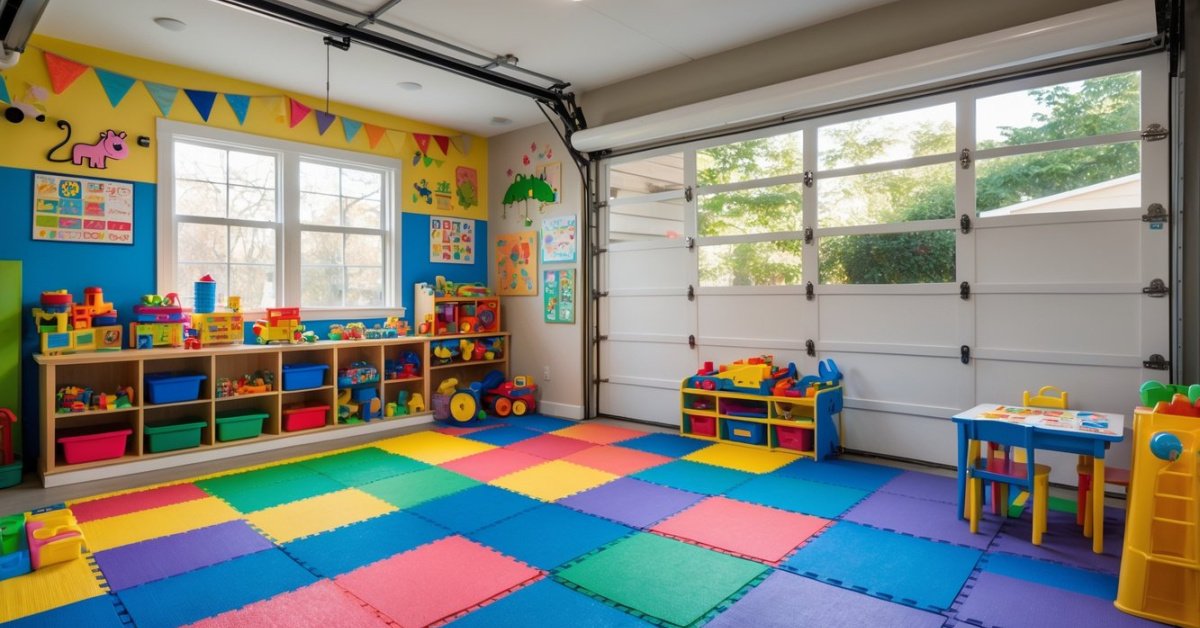
Modular storage adapts to evolving garage uses and family needs. I can add extra units, adjust shelf heights, or swap cabinets for open racks when storage requirements shift. Homeowners often repurpose garage zones—as workbenches, home gyms, or play spaces—by rearranging modular pieces. Expansion packs, compatible accessories, and universal mounting systems make it easy to adjust layouts without wasting materials or effort. This long-term flexibility helps garages remain efficient and relevant as households change.
Popular Types of Modular Garage Storage Solutions
Many homeowners ask me about the most efficient systems for garage optimization. I focus on modular solutions since they adapt easily as storage needs change.
Shelving Units and Cabinets
Modular shelving units and cabinets transform garage wall space into organized storage. I use metal shelving with adjustable tiers for heavy items like power tools or storage bins. Lockable cabinets protect chemicals, paints, or valuable gear from dust and curious hands. By stacking cabinets vertically, I leverage ceiling height and free up the floor for cars or hobbies.
Wall-Mounted Systems
Wall-mounted storage systems, like slatwall or pegboard panels, let me customize tool arrangements for easy access. I attach hooks, baskets, or brackets to hold sports gear, garden tools, or extension cords. Magnetic strips and specialized holders fit hand tools or frequently used items. These systems allow quick repositioning, which makes it simple to update garage setups as needs evolve.
Overhead Storage Options
Overhead racks take advantage of unused ceiling space in most garages. I install these racks to store seasonal items, luggage, or rarely used equipment above vehicles. Sliding bin systems or suspended platforms support organized storage without blocking headroom. Keeping bulky or infrequently accessed items overhead reduces daily clutter and maximizes usable floor area.
Choosing the Right Modular Storage System for Your Garage
Selecting a modular storage system shapes your garage’s function and style. I look for tailored fits that match flexibility and maximize every inch for my clients.
Assessing Your Storage Needs
Understanding storage needs creates a strong foundation for garage organization. I inventory all major categories—tools, sporting gear, lawn equipment, seasonal decorations—so each group receives a specific spot. I sort by usage frequency, storing items like drill sets and paint supplies within easy reach and placing holiday décor or archived boxes up high or on deeper shelves. I use clear bins with visible labels or color-coded tags for fast identification. For clients with specific hobbies, like gardening or biking, I recommend dedicated units such as tool chests or bicycle racks for neat separation. This assessment ensures each zone in the garage stays functional and clutter-free.
Considering Your Garage Layout
Factoring in garage layout determines how well a modular system performs. I measure wall dimensions, ceiling heights, and space between doors, outlets, and windows before choosing shelving, cabinetry, or wall panels. For one-car garages, I suggest narrow cabinets or vertical wall panels that leave space for vehicle parking. In multi-car garages, I add larger cabinets and overhead racks to increase storage capacity without blocking traffic paths. I prioritize locations near entry doors for items needed more often, as with shoe cubbies or charging stations for power tools. I also use corners for tall cabinets or sports gear towers, freeing up open areas for workbenches or hobby setups. Through careful layout analysis, I match each modular component to the garage’s unique shape and traffic flow.
Conclusion
I’ve found that investing in a modular storage system has made my garage feel less like a chaotic dumping ground and more like a purposeful workspace. The flexibility of these systems means I’m never locked into a single layout and I can adjust things as my needs change.
It’s been rewarding to see everything in its place and know I can always tweak or expand my setup down the road. If you’re tired of tripping over clutter or searching for lost tools a modular approach could be the game-changer you’ve been looking for.


