
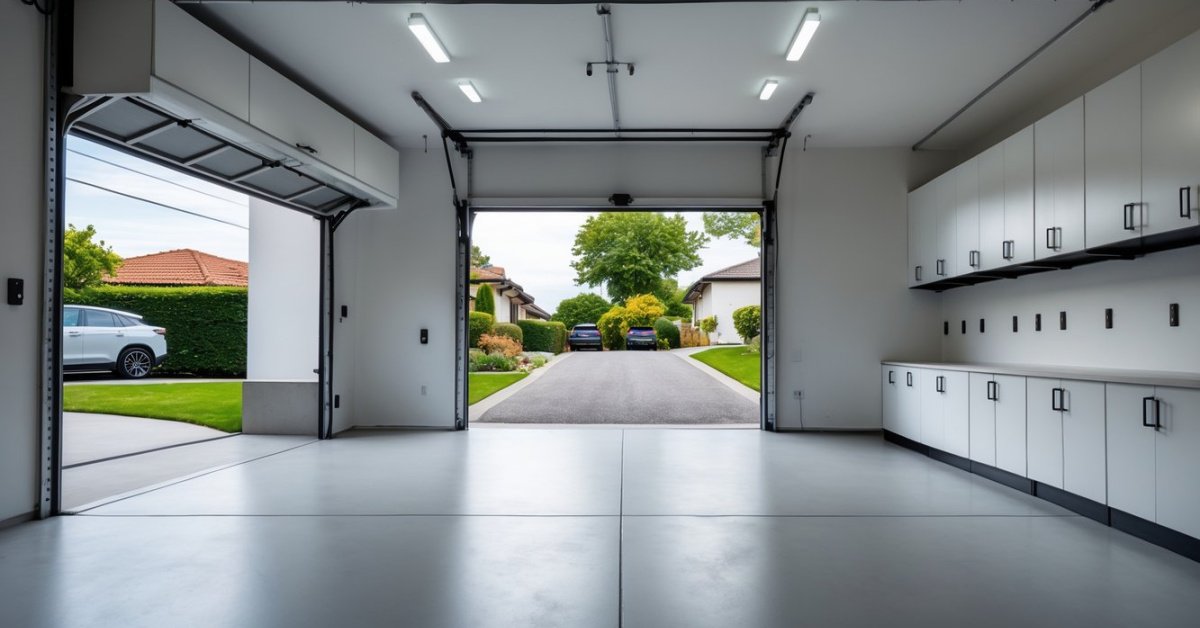
When I think about emergency preparedness, my garage isn’t usually the first place that comes to mind. Yet it’s a space packed with tools, supplies, and sometimes even hazards that could make a huge difference in a crisis. It’s easy to overlook just how important this part of my home can be when disaster strikes.
I’ve realized that a little planning goes a long way in turning my garage into a safe and useful resource during emergencies. By organizing and preparing now, I know I’ll be ready to handle whatever comes my way—whether it’s a power outage, storm, or something unexpected.
Understanding Emergency Preparedness for Garages
Emergency preparedness in garages centers on maximizing usable space for safety, storage, and accessibility. I prioritize organizing every tool, supply, and exit path to support quick responses during any crisis. Effective storage solutions—like wall-mounted racks for flashlights, emergency kits, or backup power supplies—keep essentials visible and reachable.
Durable cabinets and weather-resistant bins protect gear from temperature swings or water damage, especially during storms or power outages. I always check that walkways stay uncluttered to guarantee safe, swift exits even in low-light conditions. Labeling shelves and containers with bold, readable text ensures family members quickly find first aid supplies, fire extinguishers, and backup batteries.
Creative solutions—such as fold-down workbenches that double as command centers or pegboards for organizing emergency tools—add both safety and value to any garage. Thoughtful lighting upgrades using battery-powered LED strips or motion sensors improve navigation during outages.
Integrating technology, for example, smart garage door openers with battery backups, strengthens overall readiness and security. Every time I redesign a garage, I focus on flexibility so owners adjust storage for seasonal risks or new equipment needs. Emergency preparedness transforms any garage from extra storage into a reliable home-rescue hub.
Identifying Potential Garage Emergencies
Spotting common garage emergencies lets me plan better layouts that keep everyone safer and make spaces more versatile. I always build around three key risks that most garages face.
Fire Hazards
Many garage fires start with overloaded outlets, old extension cords, or flammable items like paint and oil. When I design storage, I keep combustibles in metal cabinets away from heaters and electrical sources. I always leave open space around appliances like water heaters to reduce ignition risks and install smoke detectors rated for garages. Every setup I create includes a clearly visible fire extinguisher within 15 feet of the exit.
Chemical Spills and Leaks
Household garages often hold paints, solvents, fertilizers, or fuel. I store all chemicals in ventilated, leak-proof cabinets on low shelves for easier cleanup. I use labeled bins for car liquids and a dedicated drip tray under stored jugs. When space allows, I add a small workstation with absorbent pads and gloves, making spill response immediate. Good airflow and shelf liners also help reduce risk.
Power Outages
A power loss interrupts garage security, lighting, and sometimes critical storage functions. I recommend battery-powered backup lights in main pathways and an emergency radio in a labeled drawer. For those who use freezers or backup sump pumps in their garages, I suggest adding a portable generator or an outlet for a safe extension cord from the main house. Every setup includes systematic shelving so owners can easily grab flashlights or extension cords even in the dark.
Essential Emergency Supplies for Garages
Strategic organization in the garage supports fast, safe responses during unexpected events. When I optimize home garages, I prioritize these critical emergency supplies to strengthen safety and utility.
First Aid Kits and Medical Supplies
Complete first aid kits in garages equip owners to respond to common injuries. I include adhesive bandages, antiseptic wipes, gauze pads, burn ointment, cold packs, non-latex gloves, tweezers, and a digital thermometer. Organized storage, like a mounted supply cabinet with clear labels, makes access quick. I add extra pain relievers, allergy medications, and an emergency dental kit for better readiness.
Fire Extinguishers and Safety Tools
Readily available fire extinguishers rated for Class A, B, and C fires, such as ABC multi-purpose types, address most garage fire hazards. I mount extinguishers near exits and workbenches. Safety tools—like a fire blanket, smoke detector, carbon monoxide alarm, heavy-duty work gloves, and a utility knife—help manage emergencies fast. I prefer wall racks with bold labels for these tools, so they’re simple to locate under stress.
Flashlights and Backup Power
Multiple flashlights, including LED headlamps and lanterns, prepare garages for power outages. I keep them charged in a visible docking station and add extra batteries. Reliable backup power, such as a portable jump starter with USB ports or a compact power bank, helps maintain lighting or power small devices. I suggest storing these items together near main garage entry points for rapid retrieval in darkness.
Creating an Emergency Response Plan
Every well-organized garage benefits from a clear emergency response plan. I always recommend a step-by-step approach that keeps safety and accessibility front and center during any crisis. These plans maximize the utility of optimized garage spaces and ensure a quick, coordinated response.
Evacuation Routes and Procedures
Designing evacuation routes in garages requires a practical, visible layout. I mark main and secondary exit paths using glow-in-the-dark tape. I clear floor space next to doors for fast, obstacle-free exits, especially near tool benches or vehicle parking spots. For garages with more than one entry, I use color-coded signs to show the quickest routes outside, adding reflective arrows for night visibility. I store emergency ladders or escape tools on wall hooks close to exits when garages have overhead storage or loft spaces. Regular drills with all household members keep everyone familiar with evacuation procedures and reduce confusion in real events.
Communication Strategies
Updating communication strategies in garages involves more than just posting emergency contacts. I install waterproof document sleeves on the wall to hold printed contact lists, medical info cards, and utility shutoff instructions. I dedicate a shelf near the door for battery-powered radios and a backup cell phone, ensuring connectivity during outages. I mount intercoms or wireless doorbells at interior access points for quick alerts to family inside the house. I create a shared digital plan—like a note on a family phone app—that tracks routes, contacts, and where supplies live in the garage. Regular plan reviews with household members guarantee everyone knows how to get and share information during emergencies.
Maintenance and Regular Safety Checks
I schedule monthly maintenance routines for every garage I optimize. Regular safety checks keep emergency gear ready and usable. I inspect first aid kits by checking expiration dates on antibiotics, bandages, and ointments, replacing anything outdated. I test fire extinguishers, confirming the pressure gauge stays in the green and inspecting nozzles for clogs. I review smoke and carbon monoxide detectors, pressing the test button and swapping batteries every six months. I examine storage racks and cabinets for loose hardware or damage, tightening bolts and replacing any worn-out shelves.
I check power outage supplies monthly, turning on flashlights to verify batteries and running backup power sources like portable jump starters for a minute to confirm they work. I assess emergency exits, ensuring pathways are uncluttered and exit signs remain visible. I walk the evacuation route, moving or tidying items that block the path or hinder quick movement. I also test smart garage devices, reopening and closing doors with the backup system or manually if power’s unavailable.
I record inspection dates and notes on a dedicated garage checklist mounted on the wall. I use this log to track what I’ve checked and replaced, making it easy for the garage owner to continue the habit. Regular safety checks keep any emergency preparedness plan reliable and every part of the garage functioning as a safe, optimized space.
Training and Awareness for Garage Users
Ongoing training and awareness build real readiness for any optimized garage space. I help clients understand each tool, safety protocol, and emergency supply in their garage, since clear knowledge speeds up response when seconds count.
- Emergency Equipment Tutorials: I give hands-on demos of all key items—like using fire extinguishers rated for both electrical and chemical fires, activating backup lights, and deploying spill kits. Everyone who uses the garage gets these walkthroughs after each install or upgrade.
- Evacuation Drill Practice: I map out exits, then walk clients through the safest routes. We practice using emergency ladders, escape tools, and identifying glow tape markers in low lighting. I encourage repeating these drills at least twice per year.
- Awareness Posters and Signs: I mount labeled guides—like diagrams for extinguisher types, first aid kit locations, or step-by-step shutdown instructions—along garage walls. Visual reminders help users recall critical steps fast.
- Chemical and Tool Safety Briefings: Before finalizing conversions, I talk through risks tied to any chemicals or sharp tools left in the space, demonstrating safe handling and reinforcing proper storage protocols.
- Tech and Smart System Training: Many garages I optimize include smart locks, door sensors, or climate alerts. I show clients and their families exactly how each system operates and troubleshoot common scenarios together.
- Ongoing Refresher Visits: My maintenance checkups double as refreshers—I’ll quiz users on key supplies, review storage updates, and retrain anyone who missed the initial walkthrough. These brief sessions keep readiness skills sharp.
I reinforce these steps for each new owner and encourage participation from all household members who may use the garage. Consistent training and visible reminders help transform any optimized garage into a safer, smarter emergency response center.
Conclusion
Taking the time to prepare my garage for emergencies has given me real peace of mind. I know that with a bit of planning and regular upkeep my garage can be a safe and reliable resource no matter what comes my way.
It’s empowering to see how a few thoughtful changes can make such a big difference in my family’s safety and comfort. I’m glad I made emergency preparedness a priority in my garage and I encourage others to do the same.


