
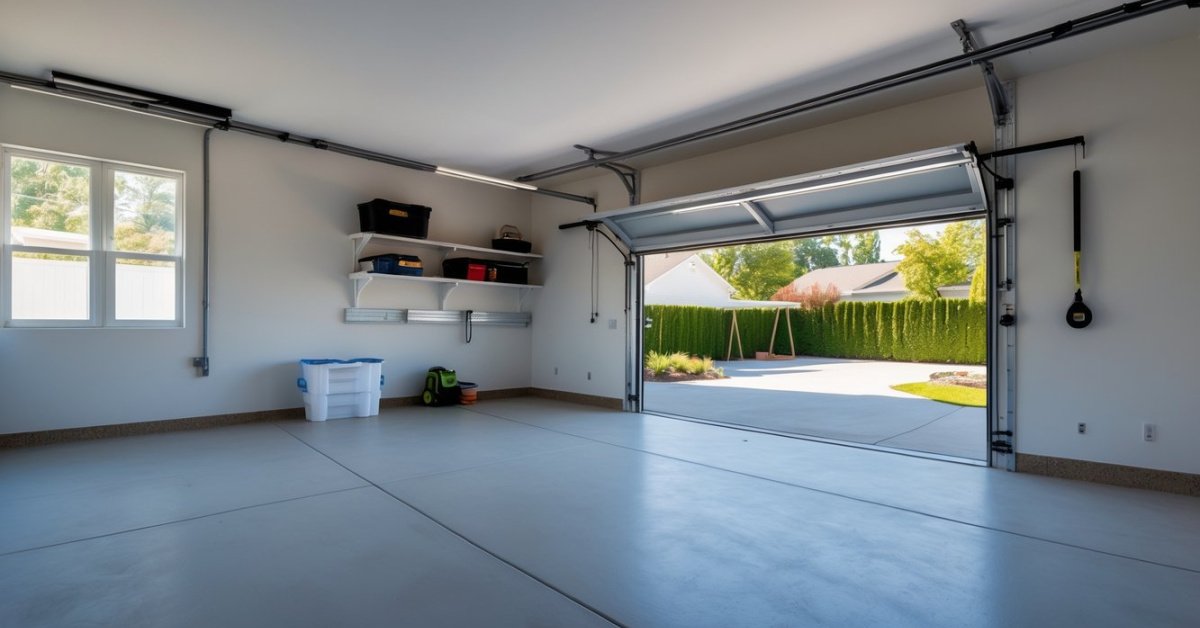
When I think about keeping my kids safe at home the garage is one spot I can’t ignore. It’s easy to overlook but garages are full of hidden dangers that curious little hands love to explore. From sharp tools to chemicals there’s a lot that can go wrong in just a few seconds.
I’ve learned that childproofing the garage isn’t just about locking the door. It’s about creating a space where my kids can’t accidentally get hurt even if they wander in. Taking a few simple steps gives me peace of mind and lets my family enjoy every part of our home safely.
Understanding the Importance of Childproofing Your Garage Space
Optimizing garage space always includes safety as a top priority for families. Kids naturally explore, and garages store sharp implements, lawn equipment, heavy objects, and household chemicals. I often find that parents overlook these hazards when focusing on storage capacity or workspace functionality.
Garage layouts feature shelves, cabinets, open tool racks, and vehicles. These features boost versatility but also introduce risk for children. Items like gasoline, antifreeze, paints, and pesticides contain toxins. Examples like rakes, screwdrivers, saws, ladders, and unsecured bikes all present injury risks.
Safe home garage environments start with preventing child access to unsafe storage zones. I always install high-placed, lockable cabinets for anything chemical or sharp. I choose sturdy shelving with anti-tip brackets to prevent collapse. I add automatic overhead door sensors and soft-closing mechanisms to avoid finger injuries.
Childproofing fits seamlessly within space optimization strategies. Custom cabinetry, overhead racks, and vertical wall organizers protect kids, free up floor space, and increase function. Integrated safety solutions help homeowners maximize usability while reducing hazard exposure. By combining organization with protective measures, I create garage spaces that support both family activity and child safety.
Identifying Common Hazards in Garage Spaces
Childproofing a garage works best when I start by spotting every hazard. Many garage dangers come from items or setups that seem normal to most adults.
Toxic Chemicals and Cleaning Supplies
Garages usually hold chemicals and cleaning supplies like paint thinners, pesticides, antifreeze, and motor oil. These liquids, when left within reach, can poison kids who like to explore. I always store these items in high, lockable cabinets and label every container clearly, making access and identification harder for children. Grouping chemicals by category, like automotive fluids, solvents, and cleaners, streamlines storage and adds a layer of control.
Sharp Tools and Equipment
Sharp tools such as saws, drills, knives, and gardening shears are easy to overlook but highly dangerous. I install pegboards with locking tool hooks for hand tool organization and use wall-mounted cabinets for power tools. Closed-latch storage bins work well for smaller loose items, preventing kids from grabbing them. I keep ladders, workbenches, and any free-standing equipment secured to walls using anti-tip hardware to stop toppling accidents.
Heavy Objects and Vehicles
Heavy garage items like bulky storage bins, car batteries, tires, and lawn equipment can cause crushing injuries. Cars parked inside pose pinch and roll hazards since kids often squeeze between vehicles and walls. I recommend heavy-duty shelving with anti-tip brackets for large bins and always keep floor pathways clear. When possible, I install garage safety barriers or parking guides to set vehicle boundaries and minimize access to moving parts.
Essential Steps for Childproofing Your Garage Space
Every garage project I design puts family safety first. When small kids are in the house, optimizing this space starts with eliminating risks at every turn.
Organizing and Storing Hazardous Materials Safely
I always move hazardous materials out of easy reach. I place paints, solvents, pesticides, and fuels in high-mounted, locking wall cabinets—never on lower shelves or open racks. I label every container clearly using bold waterproof labels to reduce confusion. I group corrosives and flammables separately, installing vented cabinets for any item with strong fumes. I ensure spill trays stay underneath all storage to contain leaks.
Securing Tools and Equipment
I keep sharp or powered tools locked or out of sight. I mount pegboards up high and use lockable hooks for pruning shears, saws, and drills. I store loose blades, bits, and hardware in bins with latching lids and put these bins in locked drawers or cabinets. I anchor large equipment—ladders, mowers, or garden carts—with wall-mounted straps so nothing tips or rolls. I double-check that bikes or sports gear aren’t stacked in a way that climbing kids could pull them down.
Implementing Safety Locks and Barriers
I install childproof locks on every door leading into the garage space. I add padlocks on storage cabinets and use smart keypad systems for main garage entry. I put magnetic locks on deep drawers or tool chests. I create clear zones using heavy-duty, removable gates to section off vehicle parking from play or project areas. I fit motion sensors or alarms on doors for extra alerts when anything opens unexpectedly.
Creating a Safe Play and Passage Area
Creating a safe play and passage area lets families use the garage for more than just storage. I make these areas functional and secure by combining smart layout strategies and practical materials.
Designating Restricted and Accessible Zones
I always start by dividing the space into clearly marked zones. I assign off-limits zones for items like tools, chemicals, and machinery, using locked cabinets and bold signage. I separate child-friendly zones, such as play nooks or passage pathways, using flexible barriers, colored floor tape, or shelving that forms natural boundaries. This layout keeps play areas visible and traffic-flow simple, reducing risk of accidental entries into danger zones.
Using Mats and Slip-Resistant Flooring
I use cushioned mats and slip-resistant flooring to keep kids safe in play and walking areas. Commercial-grade foam mats, typically at least 18 mm thick, absorb impacts and help prevent injuries if children trip. I select textured rubber tiles or epoxy coatings to keep surfaces slip-resistant, especially near entryways. Raised-edge mats trap dirt and moisture, creating cleaner play environments. I choose colors and patterns that match the garage design, so the space stays inviting and practical for every family member.
Tips for Maintaining a Child-Safe Garage
Inspecting regularly keeps your garage child-safe. Every week, I check shelves, cabinet locks, and barriers for signs of wear, loose hardware, or shifting. Identifying small changes early—like a cracked lock or tilted shelf—prevents minor issues from becoming safety risks.
Cleaning and organizing prevent accidental access. After each project, I return tools to closed storage, wipe spills, and toss old chemicals into labeled bins for hazardous disposal. High-mounted cabinets stay less cluttered when I inventory contents monthly, discarding expired supplies and old paint cans.
Reinforcing barriers maintains safety zones. Every few months, I tighten door hardware, inspect sensor batteries, and replace worn-out striping tape in walkways or play areas. Even sturdy shelving needs annual re-anchoring, especially in garages where family activity is frequent.
Updating storage methods increases effectiveness. I try new storage solutions each season—like magnetic strips for metal tools or clear bins for smaller parts—to see what best limits child access and saves space. Modular shelving and flexible bins make reorganizing quick when storage requirements change.
Educating family reduces accidents. Whenever a new hazard appears—like when I store a lawnmower after summer—I show everyone the changes and which areas are now off-limits. Signage or color-coded markers remind kids where it’s safe to walk or play.
Using a routine checklist helps me stay consistent. I created one for weekly cleaning, monthly inventory, and seasonal storage updates—covering everything from sensor functionality to chemical labels—to make fixing problems part of my regular garage optimization cycle.
Conclusion
Making my garage a safer place for my kids has given me real peace of mind. It’s not just about keeping things out of reach but about building a space where my family can move around without worry. Every small change adds up and I know that by staying proactive I’m protecting what matters most. A little effort now means more freedom and fun for everyone later.


