
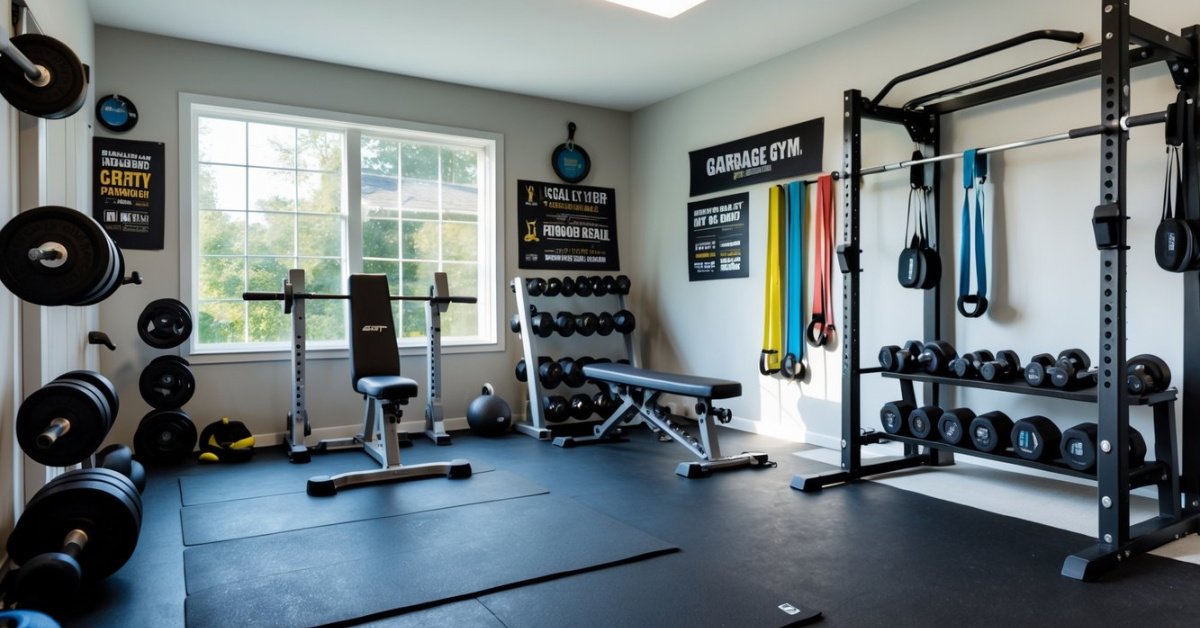
I’ve always dreamed of having a gym just steps from my living room. The idea of squeezing in a workout without leaving home sounds too good to pass up. That’s why I started eyeing my garage—the one place that’s been collecting dust and forgotten boxes for years.
Turning a garage into a home gym isn’t just about saving money on memberships. It’s about creating a space that fits my schedule and my fitness goals. With a little planning and some creativity I can transform that cluttered space into my own workout haven.
Assessing Your Garage Space
I start every garage conversion by looking at both the function and possibility of the space. Proper assessment creates a foundation for any successful garage-to-home gym transformation.
Evaluating Size and Layout
I measure the usable square footage to decide how many exercise zones I can fit. Single-car garages (about 192 square feet) fit cardio equipment and some free weights, while double-car garages (around 380–400 square feet) allow for lifting platforms or racks. I check wall space for storage or wall-mounted racks. I watch for obstacles like water heaters or low shelves since these shape the gym layout. I look for clear walkways to prevent crowding.
Addressing Structural Considerations
I check the condition of flooring since many garage floors slope for drainage or have cracks. Epoxy coatings or interlocking tiles solve surface problems and improve durability. I confirm that the walls and ceiling have adequate insulation to regulate temperature. If the ceiling joists can’t support the weight of equipment like pull-up bars, I reinforce them. I inspect electrical outlets and lighting since cardio machines and gym lighting use extra power. Proper ventilation matters, so I look for windows, vents, or add a fan system to control moisture and airflow.
Planning Your Home Gym Layout
Optimizing a home gym in a garage starts with a functional layout. I always work to maximize every square foot so the space supports both storage and exercise.
Choosing Equipment Based on Goals
Identifying fitness goals helps me select equipment. For strength training, I recommend power racks, adjustable benches, and free weights. For cardio, I look at compact treadmills, rowing machines, or stationary bikes. When flexibility or yoga is a focus, I allocate open floor space and storage for mats and accessories. Compact storage solutions—like wall-mounted racks for weights or foldable benches—keep walkways clear. Equipment lists vary by user; for example, a powerlifter’s setup differs from a yoga enthusiast’s essentials.
Allocating Zones for Different Workouts
Creating workout zones organizes garage gyms efficiently. I designate dedicated zones for strength equipment, separate floor space for bodyweight exercises, and corner areas for cardio machines. Vertical storage, such as overhead racks or wall hooks, frees up floors for stretching or mobility work. By dividing a single-car garage, I fit a squat rack in one corner, a cardio unit beside a wall, and an open zone in the center for warmups or circuits. For two-car garages, I use structural columns or storage cabinets to define boundaries between workout types. This approach ensures easy movement between activities and maintains the organization of the space.
Preparing the Garage for Conversion
Every garage I optimize for a home gym demands careful prep before moving in a single weight or mat. My focus starts with environmental comfort, safety, and utility—these foundational details ensure owners get years of safe, satisfying workouts.
Insulation and Climate Control
Insulating the garage keeps workouts comfortable year-round, no matter the weather. I line exterior walls and ceilings with rigid foam panels or fiberglass batts, then add drywall for a clean finish. Weatherstripping garage doors and sealing windows stop drafts and keep dust out. I install a mini-split HVAC system or portable heater/AC unit for precise climate control, especially in areas with temperature extremes.
Flooring and Safety Upgrades
Floors need to support equipment and cushion impact. I start by leveling and cleaning the concrete slab, then lay rubber gym tiles or dense foam mats—these prevent joint strain and protect the surface. For heavy lifting setups, I install a plywood subfloor and layer more rubber tiles for shock absorption. Anchoring racks and rigs to studs or masonry avoids accidents from tipping.
Lighting and Electrical Needs
Gyms thrive on great lighting. I upgrade every fixture to bright LED panels or overhead strips so owners see every rep clearly. To power treadmills and other machines, I add dedicated 20-amp outlets close to planned zones and check that the circuit can handle the load. For extra safety, GFCI outlets reduce shock risk, especially given sweat and humidity. I run wall-mounted or ceiling-tidy cables to keep cords out of active paths.
Setting Up and Installing Gym Equipment
Setting up gym equipment in a garage takes careful planning and creativity. I maximize utility and accessibility, making every square foot work for your routines.
Space-Saving Equipment Options
Choosing compact equipment boosts available floor space in most garage gyms. I recommend these multi-purpose solutions:
- Wall-Mounted Racks: Foldable squat racks and wall-mounted pull-up bars remain flush against the wall if not in use.
- Adjustable Dumbbells: Adjustable sets, such as Bowflex or PowerBlock, replace full dumbbell racks by providing multiple weights in one footprint.
- Stackable Storage: Vertical cubbies and shelving for kettlebells, resistance bands, or medicine balls allow stacking, which means fewer floor obstructions.
- Cardio Foldables: Treadmills and rowing machines that fold vertically make storage simple and quick after a session.
Essential Accessories for Functionality
Adding the right accessories ensures your gym supports every workout. I install and recommend these items for optimal function:
- Mirrors: Full-length wall mirrors along one side most effectively help with form correction and spatial awareness.
- Floor Mats: Interlocking foam tiles or heavy-duty rubber mats add shock absorption and help protect the garage floor.
- Fans or Ventilation Systems: Ceiling- or wall-mounted fans, along with vented windows, improve airflow and comfort during intense workouts.
- Organizers: Wall hooks, wire baskets, and pegboards keep small gear like jump ropes, resistance bands, and towels off surfaces.
- Bluetooth Speakers or TV Mounts: Mounted electronics keep cords out of the way and make the space more motivating.
Space optimization in your garage gym means merging creativity with practical storage and safety solutions. Every selection supports a clutter-free, flexible workout space.
Organizing and Personalizing Your New Gym
Every garage gym benefits from a thoughtful organization system and elements that reflect your style. I always find that efficiency and personality transform a gym from a simple workspace to a destination you’ll want to use every day.
Storage Solutions for Gear
Optimizing storage keeps gear accessible and clutter out of sight. I mount wall racks to hold dumbbells, kettlebells, and resistance bands. Overhead shelving stores seasonal items like fans or yoga mats, clearing floor space for movement. Lockable cabinets secure supplements and smaller gear, such as lifting belts or foam rollers. Pegboards help me keep jump ropes, resistance bands, and handles visible and organized. Vertical bike racks let cycling enthusiasts maximize limited wall area. When working with limited floor space, I use stackable containers or integrated storage benches for rarely used items. Proper labeling—using large, bold tags—ensures everything is easy to find after each session.
Adding Motivation and Comfort
Personal touches and comfort upgrades encourage regular use and sustained motivation. I install full-length mirrors to check form and amplify natural light. Hanging motivational posters or decals with specific training milestones—like “Squat 200 lbs” or “Finish 5K Under 25 Minutes”—keeps goals visible. I use smart speakers for playlists or workout programs, and place cushioned mats or adjustable fans near high-traffic zones for enhanced comfort during intense sessions. Personalized towel hooks and water bottle holders provide convenience and reinforce the custom design. When clients request, I even set up a chalkboard or whiteboard for tracking progress with weekly goals and personal records, making each workout feel intentional and rewarding.
Maintenance and Safety Tips
I keep every garage gym project safe, functional, and durable by focusing on the following strategies:
- Regular Equipment Inspections
I examine weights, racks, cables, and cardio machines monthly for signs of wear, shaky bolts, or rust. I replace worn pads or grips and lubricate moving parts as needed.
- Flooring and Surface Care
I sweep and mop rubber mats weekly to prevent dust buildup. For any cracks or chips in the substrate, I use commercial sealants to keep the surface stable and safe for movement.
- Climate Control and Ventilation Checks
I monitor portable heaters, AC units, and fans to ensure they’re dust-free and running efficiently. I check for condensation or mold near windows and insulated panels, and clean intake vents every season.
- Lighting and Electrical Audits
I test LED bulbs, power strips, and outlets before workouts, especially for high-draw machines like treadmills. I repair or upgrade wiring immediately if I notice flickering or warm plates.
- Organization and Trip Hazard Prevention
I return weights, bars, and mats to wall-mounted storage after each session. I keep the floor clear by using brackets, racks, and labeled bins for accessories like bands and rollers.
- Emergency Preparedness
I mount a basic first-aid kit and keep my phone within reach. I place a fire extinguisher in a visible spot, especially if I use electrical heaters or plug in multiple machines.
| Task | Frequency | Tools/Actions |
|---|---|---|
| Inspect gym equipment | Every month | Check bolts, lubricate, replace pads |
| Clean flooring | Weekly | Mop, sweep, patch as needed |
| Audit climate devices | Each season | Clean filters, check for mold |
| Test lights/electrical | Every session | Replace bulbs, check outlets |
| Clear storage/floor | After every workout | Re-rack, stow gear, use labels |
| Review safety equipment | Each season | Restock first-aid, check extinguisher |
Creative space optimization works best when safety stays a daily habit, not just a one-time setup, and I weave these checks into my routine for every garage conversion.
Conclusion
Transforming my garage into a home gym has been one of the most rewarding projects I’ve tackled. The process pushed me to get creative with every inch and made me appreciate the value of a well-planned space.
Now I’ve got a workout area that truly fits my needs and keeps me motivated. If you’re thinking about making the leap yourself just know that a little effort and imagination can turn any garage into your favorite place to break a sweat.


