
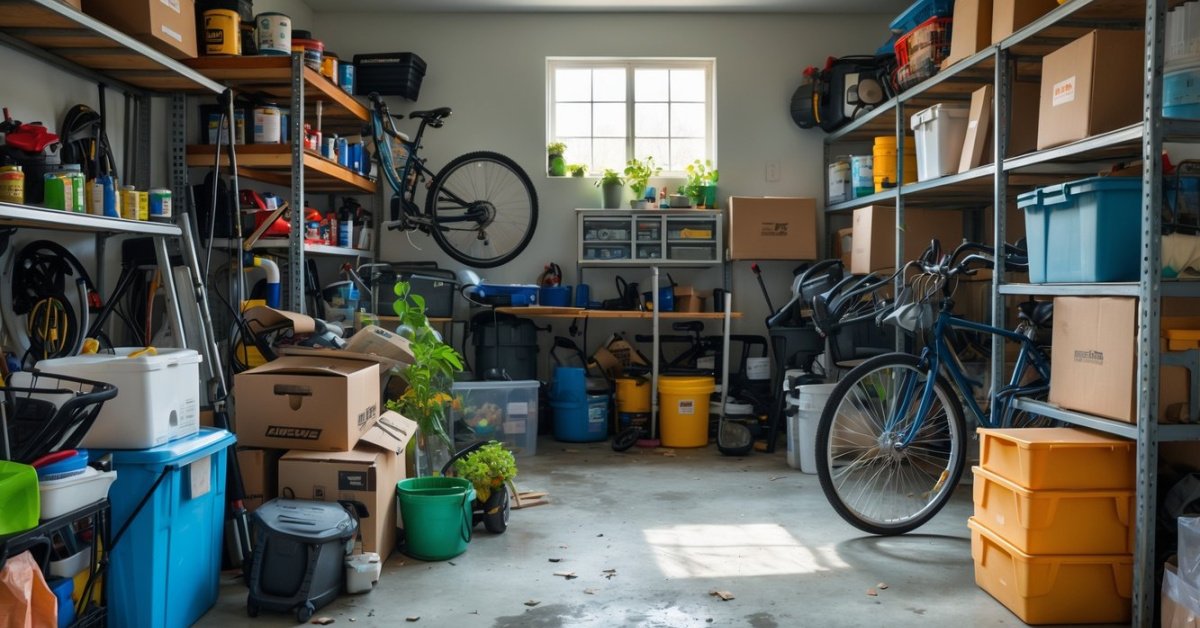
I’ve always dreamed of having my own home theater where I can escape into movies without ever leaving the house. When I looked around for extra space, my garage suddenly seemed full of possibilities instead of just storage boxes. Turning that unused area into a cozy movie haven sounded like the perfect way to make the most of my home.
The idea of binge-watching my favorite films with surround sound and comfy seats got me excited to start planning. I realized a garage conversion could be more than a DIY project—it could transform my everyday routine and add real value to my home.
Why Convert Your Garage Into a Home Theater?
Maximizing the potential of unused garage space makes home theaters one of the most rewarding garage transformations. Many garages offer enough square footage, concrete floors, and minimal natural light—each feature suits acoustic treatment and efficient projector setup. Clients often gain a dedicated entertainment room without sacrificing bedrooms or living areas.
Improving your daily environment is a major benefit of a garage conversion to a home theater. A separate media area means families can host movie nights, gaming sessions, or watch sports without disrupting other household activities. Sound insulation, blackout curtains, and AV equipment stay contained in one area, helping reduce noise and clutter throughout the home.
Increasing property value is another outcome when you turn a garage into a finished home theater. According to Remodeling Magazine’s annual surveys, finished flex-use spaces consistently attract buyers and boost resale values. Customized theater seating, ambient lighting, and in-wall speakers can make the space a selling point if owners decide to move.
Unlocking creative design potential excites me the most about garage makeovers. Vaulted ceilings let installers mount full-size projectors or drop down screens. Insulated walls support acoustic panels for a true cinema soundscape. I often recommend modular seating and hidden storage so the room adapts as households shift over time.
Adding a home theater provides entertainment flexibility, real estate returns, and space efficiency through smart use of the existing garage footprint. Each conversion I tackle focuses on enhancing enjoyment and transforming garages into purposeful, integrated parts of homes.
Planning Your Garage Conversion to a Home Theater
Planning a garage conversion to a home theater starts with a careful review of your space and your expectations. I combine space optimization principles with creative design strategies when I approach any project.
Assessing Space and Layout
Assessing space and layout defines the foundation for your home theater conversion. I measure the garage’s square footage, ceiling height, and access points before recommending seating configurations or screen sizes. Identifying garage zones helps me designate space for seating, AV equipment, and storage. Factoring in the placement of load-bearing walls, garage doors, and windows, I pinpoint locations for soundproofing and blackout treatments. Maximizing wall length fits larger screens, while strategic seat placement preserves comfortable walkways. By mapping out cable runs and power outlets early, I ensure smooth integration of projectors, speakers, and subwoofers.
Setting a Budget and Timeline
Setting a budget and timeline streamlines the entire garage conversion process. I create itemized estimates for insulation, flooring upgrades, AV equipment, electrical work, and theater seating. Allocating 10% for unexpected costs makes my projects more adaptable. Prioritizing must-haves (acoustic treatments, wiring, screen) in the budget clarifies where to allocate resources. Crafting a phased timeline sets realistic milestones: demolition (week 1), construction/installation (weeks 2-4), final finishes and testing (week 5). I work with clients to coordinate deliveries and subcontractor schedules for efficiency. Tracking each phase in a timeline keeps everything on budget and ensures no detail is overlooked during the conversion.
Designing the Perfect Home Theater
I approach every garage conversion with an eye for detail and a passion for maximizing space. My goal is to transform each garage into a home theater that delivers both outstanding entertainment and smart, functional design.
Acoustic Treatments and Soundproofing
I treat acoustics as the backbone of any high-quality home theater. Sound-dampening wall panels, for example, absorb echoes and help create a cinematic audio experience. I install dense insulation in walls and ceilings, using materials like fiberglass or mineral wool, to block outside noise. Sealing gaps around doors and windows with acoustic caulk limits unwanted sound leaks. For the garage door, I apply mass-loaded vinyl barriers or add a secondary wall to match the theater’s acoustic integrity.
Lighting and Ambience
I prioritize layered lighting in every home theater design I create. I use dimmable LED recessed lights to illuminate the space uniformly and avoid glare on the screen. Wall sconces behind seating areas provide soft up-lighting, reducing eye strain during movie nights. I add blackout curtains or automated blinds on any windows to control ambient light. For a true theater feel, I sometimes install LED strip lights along steps or behind the screen for a subtle visual accent.
Seating and Layout Options
I design flexible seating layouts that maximize both comfort and space efficiency. Tiered platform seating, for example, elevates rear rows and gives everyone a clear view of the screen. I recommend modular sectional sofas or theater recliners for multi-use functionality and easy reconfiguration. In smaller garages, I use wall-mounted fold-down seats or compact loveseats to optimize square footage. I always leave ample pathways for safe movement and quick access to exits, coordinating seats and aisles to maintain open flow in the room.
Essential Equipment and Technology
Every garage conversion project depends on choosing equipment and technology that maximize both comfort and functionality. My goal centers on optimizing the space to deliver a true cinematic experience without sacrificing efficiency.
Audio and Visual System Choices
Speakers, projectors, and screens drive the experience in a home theater. I specify a 5.1 or 7.1 surround sound speaker layout for clear, immersive audio—brands like Klipsch and Polk Audio consistently deliver strong results in repurposed garage spaces, balancing power and size. Subwoofers with high wattage levels (at least 100W RMS) anchor the low end, crucial in handling larger, often hard-surfaced garage acoustics.
Projectors, especially 4K laser models from Epson or Optoma, use short-throw technology to support tight garage layouts, producing crisp visuals even with limited throw distance. Fixed-frame ambient light-rejecting screens give the best results by maintaining image quality if the garage can’t go pitch black. I avoid televisions over 85” due to ventilation constraints in smaller spaces but recommend OLED panels for compact layouts seeking rich color depth.
Smart Features and Connectivity
Automation, networking, and wireless controls complete the modern home theater garage conversion. I integrate smart dimmable lighting (like Lutron Caseta or Philips Hue) with programmable scenes. Universal remotes, such as Logitech Harmony, allow single-touch operation of all theater functions, removing remote clutter.
Wi-Fi 6 mesh routers ensure seamless streaming for 4K content without buffering, even through concrete garage walls. HDMI-over-Ethernet kits extend source connectivity across different areas, supporting gaming consoles or media servers hidden in utility closets. I always wire for Ethernet and add enough outlets—this guarantees devices like smart speakers, projectors, and streaming sticks (examples: Apple TV, Roku, Chromecast) get reliable power and bandwidth.
Optimizing technology in a garage home theater depends on integrating robust AV solutions and future-ready smart automation, ensuring space, function, and enjoyment all scale together.
Overcoming Common Challenges
Every garage conversion to a home theater comes with a few unique obstacles. I solve these by focusing on lasting comfort, compliance, and creative use of space.
Insulation and Climate Control
Insulation and climate control play key roles in making a garage theater comfortable year-round. I add high-R-value wall and ceiling insulation to maintain consistent indoor temperatures—for example, R-13 batt insulation in walls and R-30 in ceilings. I install dual-pane windows or seal existing gaps to keep drafts out. Mini-split HVAC systems and portable dehumidifiers help regulate both heating and cooling without major ductwork. Good insulation also improves sound isolation, keeping movie sound inside and outside noise from interfering.
Addressing Permits and Building Codes
Addressing permits and building codes helps eliminate stressful delays or safety concerns. I check local regulations for garage conversions before starting, since some jurisdictions classify home theaters as ‘living space’, which triggers fire, egress, or electrical requirements. I submit plans for review and arrange city inspections when updates like new wiring or plumbing are needed. Upgrading outlets to GFCI and adding hardwired smoke detectors often satisfy residential codes for retrofit garage theaters. Meeting each standard helps deliver safe and lasting results, so owners enjoy their improved garage space with complete confidence.
Final Touches for a Cinematic Experience
Smart lighting controls bring theater ambiance into any garage conversion. I install programmable LED strips around platforms and screen frames so owners can adjust brightness remotely. For true blackout, I fit custom window coverings or motorized curtains, which eliminate external light bleed and maintain sharp picture quality.
Custom wall treatments enhance immersion for every home theater setup. Acoustic panels wrapped in movie-inspired fabrics absorb echo and reflect a theater look. I use dark paints and sound-absorbing carpets on floors and risers to improve viewing comfort and audio clarity in the optimized garage space.
Theming options personalize the theater mood. I mount framed movie posters, add vintage reel wall decor, or design snack bars and mini fridges for snack breaks. Soundproof doors create a true escape zone, blocking noise and increasing privacy during late-night screenings.
Advanced AV integration keeps the experience smooth. I use recessed cable management behind screens, in-floor power tracks for modular seating, and ceiling-mount racks to keep hardware discreet. Universal remotes or dedicated theater control panels allow owners to operate projectors, speakers, and lights from their seats—all optimized for seamless enjoyment.
Seating upgrades complete the transformation. I source tiered recliners with cup holders, luxury sectional sofas for group movie nights, and platform risers to give every row a clear view. For small spaces, wall-hugging seats and collapsible ottomans maximize flexibility, ensuring the garage serves as a true multipurpose media hub.
Conclusion
Turning my garage into a home theater has been one of the most rewarding projects I’ve taken on. I love having a dedicated space where I can unwind with movies or host game nights with friends and family.
Every detail I put into the space has made it feel like my own personal escape. If you’re thinking about a similar project don’t hesitate—it’s an investment in comfort and fun that pays off every time you press play.


