
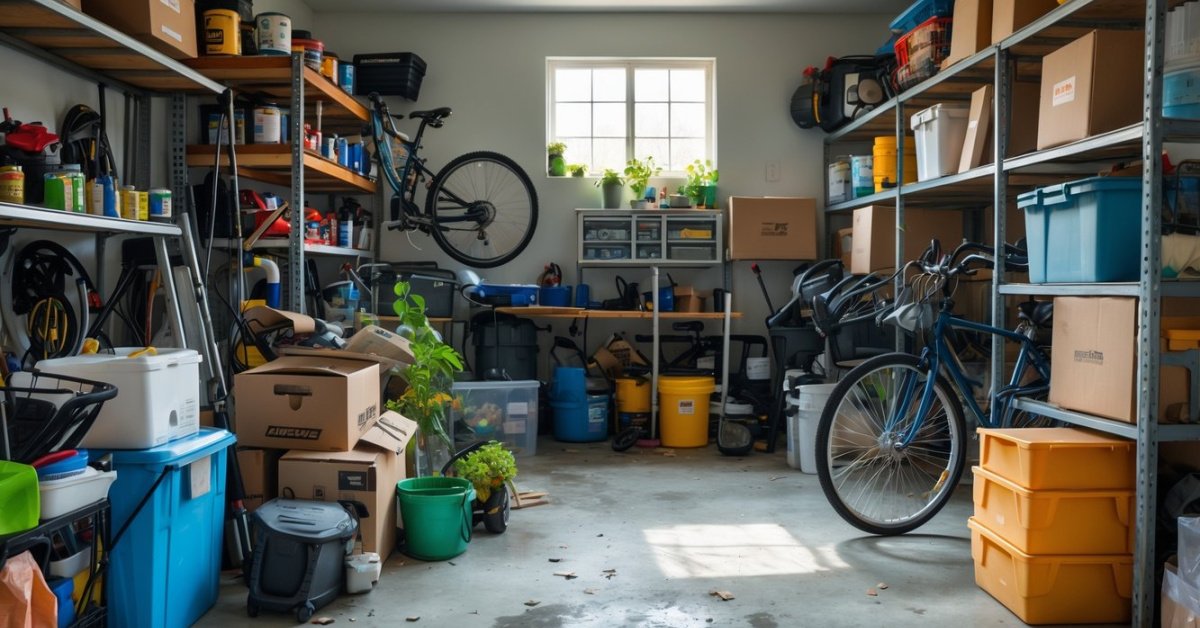
I know how frustrating it can be when a small garage feels more like a cluttered storage closet than a useful space. It’s easy for boxes, tools, and random stuff to pile up until there’s barely room to park the car, let alone work on a project or find what I need.
That’s why I love finding creative ways to transform even the tiniest garages into organized, functional spaces. With a few smart ideas and some simple changes, I’ve discovered it’s possible to make every square foot count. Whether I want to create a mini workshop, store outdoor gear, or just keep things tidy, a small garage makeover can make a huge difference.
Assessing Your Small Garage Space
Measuring garage dimensions gives me the baseline for every successful makeover. I always use a tape measure to get the length, width, and height, then I note door width, any windows, and obstructions like water heaters or stairs.
Listing current storage zones helps me understand space use. I count tools in tool chests, sporting equipment on racks, paint cans on shelves, and bins for seasonal decor. From there, I check which items owners use regularly and which collect dust, as optimizing depends on real needs.
Identifying problem areas comes next in my process. I spot piles on the floor, wasted wall height, and crowded walkways, as these signal where to reclaim room. Pinpointing these areas makes prioritizing project steps easier.
Evaluating available outlets and lighting fixtures matters for both convenience and safety. I map out power access, check fixture types, and note if motion sensors or LEDs could fit into new plans.
Surveying potential vertical and overhead storage always uncovers hidden opportunities. I look for solid beams or studs for hanging racks and confirm ceiling clearance for bikes, bins, or shelving.
Below is a table I use for initial assessments:
| Area | What I Check |
|---|---|
| Dimensions | Length, width, height, obstructions |
| Storage | Item categories, frequency of use |
| Floor Space | Clutter, accessibility, walking paths |
| Vertical Opportunities | Open wall space, stud locations, mounting options |
| Overhead Potential | Ceiling height, joist strength, unobstructed sections |
| Utilities | Outlets, lighting, breaker location |
Detailed assessment lets me customize solutions, especially in tight garage spaces, by knowing exactly what I’m working with.
Smart Storage Solutions
Smart storage strategies unlock new potential in small garages. I often focus on vertical and overhead systems to create usable space without expanding the footprint.
Wall-Mounted Shelving and Racks
Wall-mounted shelving and racks free up floor space by lifting items to eye-level or higher. I install heavy-duty metal shelves for storing bins, paint cans, and power tools—brands like Gladiator and Rubbermaid offer adjustable options that fit tight spots. Pegboards with moveable hooks let me organize hand tools, screwdrivers, and wrenches for quick access. Slatwall panels add flexibility for hanging bikes, garden hoses, and extension cords, and I usually recommend models rated for at least 50 lbs per square foot. Keeping most items on walls clears room for vehicles or workbenches below.
Overhead Storage Options
Overhead storage maximizes space above vehicles and walkways. I install ceiling-mounted racks or hoist systems for storing seldom-used items such as seasonal decorations, camping gear, or spare tires. Brands like SafeRacks support up to 600 lbs with adjustable heights to work around garage doors and lighting. Overhead pulley systems let owners lift bicycles or kayaks out of the way, making use of every cubic foot. Careful measurement ensures nothing blocks garage door operation or lighting. This approach reserves prime wall and floor space for frequently used items while making small garages feel twice as large.
Creative Organization Hacks
Maximizing every inch counts when I’m organizing small garage spaces. I use simple, creative hacks that transform cluttered zones into streamlined storage and work areas.
Pegboards and Tool Walls
Pegboards and tool walls help me keep tools visible, accessible, and off the workbench. I mount heavy-duty pegboards along open wall sections, then I use metal hooks and bins to arrange wrenches, screwdrivers, hammers, and drill bits. I add magnetic strips for pliers and small hand tools, speeding up cleanup and project prep. For larger items, I install custom racks or slatwalls with heavy-gauge hardware, creating vertical homes for power tools, extension cords, or gardening gear.
Multi-Functional Furniture
Multi-functional furniture boosts garage utility without hogging floor space. I use folding workbenches with built-in storage so owners can stow gear and get a workspace that folds flat against the wall when not in use. I opt for mobile tool carts with locking drawers and shelves for flexibility—rolling them to any project zone, then parking them neatly away. Storage benches with lift-up seats double as seating and hidden storage for sports gear, paint supplies, or bulky items. By choosing furniture that serves two or three purposes, I pack more function into every square foot.
Maximizing Floor Space
Efficient floor space boosts what you can do with any garage, especially when every square foot counts. I focus on tactics that unlock clear pathways for parking and projects while keeping clutter off the ground.
Compact Workstations
Compact workstations transform small garage floors by shrinking tool footprints and merging tasks. I install wall-mounted fold-down benches to create work areas that disappear when not needed. Vertical toolboards keep hand tools at arm’s reach, leaving no tools on the floor. For owners needing a fixed workspace, I use shallow workbenches—up to 18 inches deep—along one wall with under-bench storage drawers. Modular carts with locking wheels let you wheel a workstation to any section and stow it away instantly when not working on projects.
Space-Saving Parking Solutions
Space-saving parking solutions multiply how you can use limited garage space for vehicle storage and access. I install slim parking mats or guides along the floor to define parking zones precisely, ensuring vehicles fit tight spots without bumping walls or shelves. Wall-mounted bike racks hold bicycles vertically, while ceiling hoists lift bikes entirely above vehicles. When owners store motorcycles or small recreational vehicles, I rely on roll-away wheel ramps or platform lifts that condense parking spots and open up traffic lanes for walking and storage. For multi-car households with short ceilings, I recommend compact car stackers that raise one vehicle directly over another, a solution viable for garages with as little as 9-foot clearance.
Design and Decor Tips
Small garage makeovers get a big boost from smart design details. I add visual impact and improve usability with the right lighting, color, and personal touches.
Lighting and Color Schemes
Bright lighting lifts dark corners and makes organizing easier. I install adjustable LED shop lights, which give reliable, energy-efficient illumination perfect for garages less than 300 square feet. Task lights mounted above workbenches target project zones for detail work. Under-shelf strip lights improve visibility in low cabinets. White or light-gray wall paint reflects light and amplifies openness, making tight garages look larger. I use epoxy floor coatings in pale tones, like tan or light blue, for extra brightness and easy cleaning. Accent walls in deep navy, racing red, or charcoal add style without shrinking the space visually.
Personalizing Your Garage
Personalized elements let every garage show its owner’s personality. I mount framed memorabilia, such as vintage license plates or classic car art, above storage areas to celebrate favorite hobbies. Custom shelving in wood stains or vivid metal finishes matches each client’s taste. I install labeled bins and hooks for sports gear, cleaning supplies, or project parts, making it easy to grab what’s needed on the go. I recommend magnetic tool holders, chalkboard task lists, or modular slatwall panels so the space fits any workflow. For creative clients, I add display shelves for collectibles, from model cars to rare tools, making efficiency and self-expression work side by side.
Conclusion
Transforming a small garage can feel overwhelming at first but I’ve found that even the tiniest spaces have hidden potential waiting to be unlocked. With a bit of creativity and a willingness to try new ideas you can turn your garage into a space that truly works for you.
I love seeing how a few smart changes can make a garage feel bigger brighter and more inviting. If you’re ready to tackle your own makeover just remember—every step you take brings you closer to a garage you’ll actually enjoy using.


