
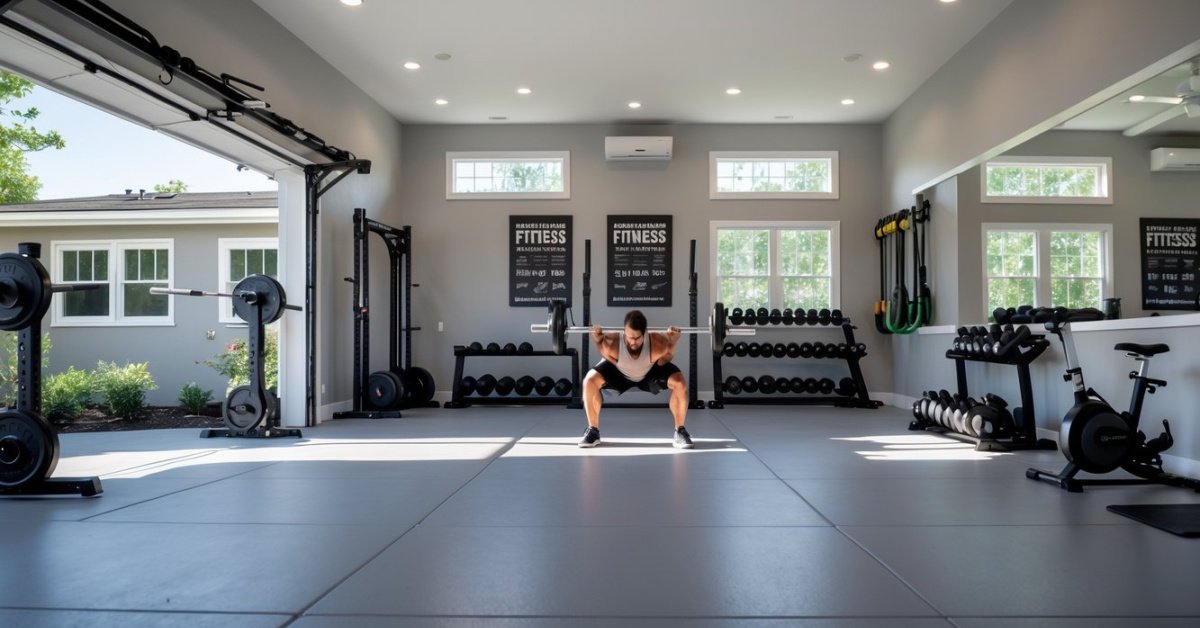
When I step into my garage, I want it to be more than just a spot to park my car or stack forgotten boxes. I need a space that works for both my weekend projects and daily storage without feeling cluttered or chaotic. Balancing those needs can be a real challenge, especially when every square foot counts.
I’ve learned that with a little creativity and the right approach, it’s totally possible to transform a garage into a dual-purpose zone. Whether I’m looking to carve out a workshop, a home gym, or just keep things tidy, smart organization makes all the difference.
Understanding Dual-Purpose Garage Spaces
Dual-purpose garage spaces combine storage and functional activity zones within one area. I design these garages for homeowners who want both clutter-free storage and dedicated space for hobbies, fitness, or projects. Purposeful layouts separate activity and storage to keep workflow efficient.
Space versatility drives dual-purpose design. I see garages used as home gyms with wall-mounted equipment and overhead racks, workshop areas with rolling tool chests and pegboard walls, or kid play zones that transform into parking when needed. Flex zones make switching between activities easier.
Efficient storage solutions define boundaries and reduce clutter. I install shelving, vertical hooks, fold-down workbenches, and ceiling racks to maximize floor space. Clear sightlines and labeled storage bins help users spot what they need instantly.
Lighting and power needs shift with functional zones. Activity areas get task lighting, power outlets, or mats, while storage stays accessible but out of active pathways. I always map electrical and lighting upgrades in advance to match intended uses.
Doorway access, insulation, and ventilation influence usability. Garage gyms need minimal dust and humidity, so I recommend sealed flooring or weather-stripped doors. Workshops benefit from extra outlets and exhaust fans. I design each dual-purpose setup for the owner’s specific routines and comfort.
Key Principles of Garage Organization for Dual-Purpose Spaces
Garage organization for dual-use areas blends efficiency with creativity. I focus on layout strategies that keep every square foot functional and easy to maintain.
Zoning and Space Planning
Zoning and space planning create structure within a multi-use garage. I group similar activities together, like keeping all workshop tools in one corner and fitness gear along a single wall. Clear pathways ensure smooth movement between zones. Visual boundaries, like colored floor paint or distinct shelving, reinforce space assignments. Flexible barriers—movable screens or rolling carts—help separate zones without permanent walls.
Prioritizing Accessibility and Flexibility
Prioritizing accessibility and flexibility maximizes utility in every garage. I use open shelving, wall-mounted racks, and labeled bins so owners can grab items quickly. Adjustable shelves and modular storage systems make it easy to reconfigure zones as needs change. Frequently used tools or sports equipment stay near the door or at arm’s reach, while rarely used supplies go higher up or deeper into corners. I choose furniture or workbenches that fold, roll, or stack, letting one zone transition between activities—like turning a home gym back into a parking area within minutes.
Storage Solutions for Multi-Functional Garages
I approach garage storage with the goal of keeping workspaces flexible and tidy while making the most of every square inch. My focus always stays on accessibility, maximizing function, and avoiding wasted space so dual-purpose garages truly work for each owner’s needs.
Vertical and Overhead Storage
I use vertical and overhead storage to clear floors and reserve open zones for activities or projects. Wall-mounted track systems, like Gladiator or Rubbermaid FastTrack, hold bikes, lawn tools, and sports equipment against the wall surface. Adjustable hooks, baskets, and shelves shift easily to accommodate changing gear or priorities.
I recommend ceiling racks for rarely used items, such as seasonal decorations or camping supplies, which hang above vehicles and clear garage walkways. For garages with limited headroom, I choose motorized lifts or pulley systems that lower bins or bikes when needed. By moving bulky objects upward, I keep lower areas open for workshop tasks or exercise equipment.
Modular Shelving and Cabinets
I specify modular shelving and cabinets with reconfigurable components to adapt to changing needs and keep tools orderly. Heavy-duty steel shelving units from brands like Husky or Edsal hold bins or bulk storage along the perimeter. I add lockers for sports equipment or closed cabinets for hazardous supplies, choosing lockable units whenever safety matters.
I use mobile carts with drawers and work surfaces to shift tools or hardware between zones, making transitions from woodworking to fitness routines more seamless. Pegboard backers, magnetic strips, and divided drawers organize hand tools and small parts while keeping everything in sight. By planning with modular pieces, I reshape storage to fit new hobbies or family needs with minimal effort.
Creative Ideas to Maximize Usability
Creative design makes any garage support multiple uses without sacrificing ease of access. I use flexible solutions, modular layouts, and inventive storage to unlock every square foot of potential.
Multi-Use Furniture and Workbenches
Multi-use furniture transforms one area to handle vastly different garage activities. I install fold-away workbenches, like wall-mounted drop-leaf tables, so clients gain open floor space when projects aren’t underway. Mobile workbenches with locking casters move easily between storage, workspace, or home gym setups. Adjustable-height tables let families shift from tinkering on bikes to assembling large equipment. Convertible benches double as storage trunks, keeping gear out of sight when not in use. I also recommend stackable or nesting stools since they quickly stow under tables between uses.
Smart Tool and Equipment Storage
Smart storage systems keep essential tools and gear visible, orderly, and readily available. I rely on wall-mounted pegboards for hand tools like screwdrivers, hammers, and wrenches, letting owners rearrange layouts as collections change. Magnetic strips securely hold metal tools above work surfaces, maximizing vertical space. Slide-out bins, sized for everything from drill bits to paint cans, make it easy to find what you need fast. Shallow cabinets with see-through doors organize power tools while providing instant visual inventory. For bulky items like ladders or sports gear, ceiling-mounted hoists or pulley racks keep floors clear and usable for other garage activities.
Maintenance Tips for an Organized Dual-Purpose Garage
Daily Upkeep Practices
I check surfaces, benches, and floors every day for out-of-place tools or misplaced items. I return all gear and supplies to their labeled shelves or bins after use, focusing on high-traffic zones like workbenches and entrances.
Weekly Reset Routine
I set aside time each week for a full reset. I group stray sports gear, hand tools, and project materials by zone and stow everything in the correct containers. I inspect hooks, shelving, and bins for overloaded spots or loose hardware and tighten anything that looks unstable.
Monthly System Check
I walk the garage monthly to spot clutter-prone areas such as corners and open shelves. I clear expired items, unused paint, or duplicate tools, donating or recycling as needed. I review labeling and swap out faded tags on bins or racks.
Adjusting Storage As Needs Change
I reallocate space and swap storage modules when new interests or hobbies, such as seasonal sports or woodworking projects, overtake old ones. I update my modular racks, fold-away benches, and mounted tool boards to keep the space flexible and accessible.
Preventative Maintenance Tasks
I dust high shelves, cabinets, and ceiling racks to keep storage clean. I vacuum or mop floors to reduce debris and protect gym or workshop zones. I check lighting and outlet covers for signs of damage in both activity and storage areas, replacing bulbs and outlet plates as soon as issues arise.
Weatherproofing and Ventilation
I inspect seals on doors and windows, especially after heavy rain or snow, to prevent moisture buildup and keep stored supplies dry. I clean out vents or install fresh filters quarterly to support safe airflow, especially in garages used as home gyms or woodshops.
My approach blends these steps with regular observation, making dual-purpose garages stay organized and user-friendly year-round.
Conclusion
I’ve found that creating a garage that serves more than one purpose isn’t just about clever storage—it’s about making the space truly work for my lifestyle. With a little planning and a willingness to tweak things as my needs change I can keep my garage organized and welcoming for any project or activity that comes my way.
Staying flexible and maintaining good habits helps me enjoy a space that’s both practical and inspiring. My dual-purpose garage has become a place where I can tackle new hobbies without worrying about clutter or chaos.


