
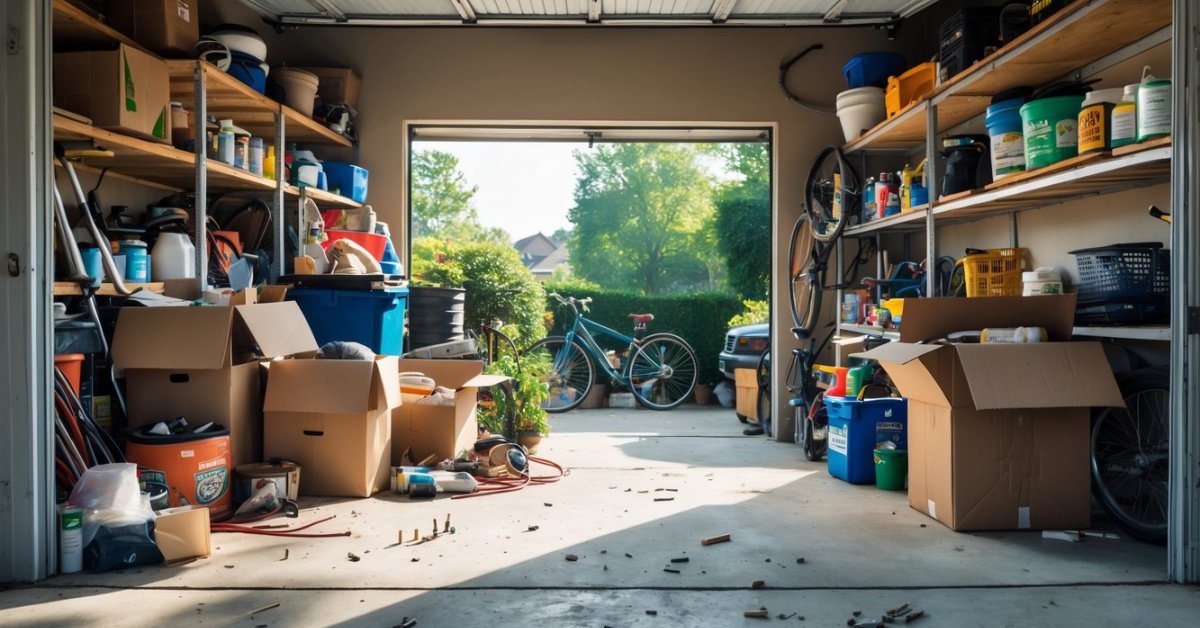
Every time I step into my garage I realize how much I rely on my shelving systems to keep things in order. From tools to holiday decorations those shelves hold a lot more than just clutter—they help me find what I need when I need it. But even the sturdiest shelves need a little care to stay safe and functional.
I’ve learned that regular maintenance not only keeps my garage looking neat but also saves me from unexpected repairs down the road. With just a bit of attention and some easy habits I can make sure my shelving systems last for years. If you want your garage to stay organized and your shelves to stay strong you’re in the right place.
Importance of Maintaining Garage Shelving Systems
Preventing sagging and collapse
When I regularly check shelf fasteners and support brackets, garage shelving systems remain sturdy under heavy items like paint cans and power tools. If support components loosen or corrode, I see shelves sag or even collapse, risking damage to the structure and personal belongings.
Maximizing space and organization
Maintained shelves offer full storage capacity for bins, holiday lights, and yard equipment. Efficient use of every shelf level makes it easier for me to help homeowners keep pathways clear and find what they need quickly.
Protecting stored items
Routine dusting and inspection let me spot leaks or mold early, which helps protect paper records, seasonal clothing, and electronics from costly water or pest damage.
Ensuring safety for family and visitors
Securely mounted shelving systems prevent unexpected falls or shifting that can injure anyone who enters the garage. This becomes even more important if kids or pets use the space with bikes or toys nearby.
Extending shelving system lifespan
When I clean shelves and tighten hardware, well-maintained garage storage solutions outlast neglected ones by 3-5 years according to Consumer Reports, letting homeowners get more value from their investment.
Routine Inspection and Cleaning
Routine inspection and cleaning keep garage shelving functional and safe for all storage needs. I maintain every system I’ve installed by focusing on two key areas: regular dust removal and thorough checks for damage.
Checking for Dust and Debris
I check each shelf surface for dust and debris during every scheduled clean. Dust, pollen, and sawdust—especially common in active garages—can accumulate within two weeks. I wipe down every shelf with a microfiber cloth, paying extra attention to corners and brackets where buildup gathers fastest. When left unattended, dust can cause scratches and affect the look of tools or bins sitting on shelves. I also vacuum floor-level shelves to remove grit and small objects, which safeguards against accidental slipping or scratching when retrieving stored items.
Inspecting for Structural Damage
I inspect every shelf bracket and fastener for visible stress, cracks, or bending—especially on shelves holding heavy equipment like toolboxes or paint cans. If I see small splits or corrosion beginning on metal surfaces, I log the issue and schedule repairs immediately. Wooden shelves, in particular, get moisture checks since exposure near garage doors can lead to swelling or warping. I gently press each shelf to test for wobble, which may indicate that brackets have loosened or studs aren’t holding tight. I look for sagging panels, shifting joinery, or screws backing out, and fix or reinforce areas as needed using upgraded hardware and supportive brackets when possible.
Preventing Common Issues
Preventing common issues keeps garage shelving systems reliable and maximizes garage space. I focus on simple methods that make shelving last longer and avoid extra repairs.
Avoiding Overloading Shelves
Distributing weight evenly on shelves prevents sagging and collapse. I always check the manufacturer’s weight rating—steel options, for example, usually handle 150-800 pounds per shelf, while adjustable wire shelves might support 50-350 pounds. Placing heavier tools and bins near the bottom adds stability. Storing lighter items like holiday decorations or sports gear up high makes access easier and reduces stress on weaker shelves. Labeling bins with their weight keeps everything visible and helps households avoid putting heavy items on shelves not built for them.
Protecting Against Moisture and Rust
Keeping shelves dry protects against warping and corrosion, especially for wood and metal shelving. I install vapor barriers or store items on plastic bins to keep off damp garage floors—this is critical in climates with high humidity or poor drainage. For metal shelves and brackets, I recommend applying a rust-inhibiting spray twice a year and checking for any condensation under bins or shelves. Using dehumidifiers or silica gel packets in garages where excess moisture is common keeps conditions ideal for storage. Protecting items with moisture-absorbing products, such as desiccant packs in toolboxes and holiday decoration bins, adds an extra layer of preservation.
| Issue | Shelf Type | Prevention Tip | Example |
|---|---|---|---|
| Overloading | Steel, Wire | Even weight distribution | Place paint cans on bottom shelf, balls on top |
| Sagging/Collapse | Wood, Particle | Respect load limits | Store bulky coolers on reinforced middle shelf |
| Rust and Corrosion | Metal | Apply rust-inhibitor, check moisture | Spray brackets in spring and fall, use dehumidifier |
| Warping | Wood | Keep shelves dry, use vapor barrier | Install plastic liner under plywood shelves |
Organizing and Optimizing Shelf Space
I use garage shelving systems not only to store gear but also to boost the efficiency and value of every square inch. By following strategic organization principles, I increase accessibility and maximize space for both large and small items.
Planning Effective Storage Solutions
I create a durable storage plan by assessing shelf depth, height, and material. Shelves deeper than 16 inches handle bulky bins, while 12-inch options suit small hand tools or supplies. Adjustable units let me customize levels for taller items, such as paint cans or sports equipment. Vertical spacing of 18 inches supports clear stacking without crush risk. I group seasonal gear (camping, holiday decor) in higher locations, and place frequently used tools at arm height for easy grabs.
Labeling and Categorizing Items
I assign categories to keep every item visible and reachable. Clear plastic bins let me spot contents instantly, which speeds up projects or repairs. I use printed adhesive labels with bold, large font—these reduce search time and prevent misplacement. Groups like automotive, cleaning, and garden gear get color-coded containers for quick distinction. When setting up shelves, I cluster smaller categories (gloves, fasteners, paint rollers) into subdivided boxes for a tidier look and better access.
Repair and Maintenance Tips
I keep garage shelving systems in top condition by following a focused repair and maintenance routine. These tips address common issues that reduce shelf life and reliability.
Tightening Loose Screws and Bolts
I check each connection point for movement or rattling, as even slight looseness in screws and bolts can compromise the structure. I use a cordless drill or hand tool to re-tighten hardware, fixing shelves that support bins, paints, or heavy power tools. If I find stripped or corroded fasteners, I replace them with new galvanized hardware for extra strength and rust resistance. I always examine support brackets and anchor points, since high-traffic areas and loaded shelves experience more vibration that tends to loosen hardware over time.
Repainting or Coating for Longevity
I inspect shelving for chipped paint or exposed metal, since these spots invite rust and shorten the shelf’s lifespan. For metal shelves, I first sand away corrosion using a wire brush, then I apply a rust-inhibiting primer before repainting with a durable enamel. With wood shelves, I seal bare or worn spots using polyurethane or a waterproof wood finish, focusing on corners where moisture sneaks in. In humid garages or those near laundry areas, I recommend a yearly touch-up to protect the shelves from moisture and chemical spills, especially on units that store garden supplies or car fluids.
When to Replace or Upgrade Your Shelving
Recognizing shelf damage helps prevent clutter and safety hazards in the garage. Broken brackets, warped shelves, and extensive rust on metal units—like what I often find in garages with water leaks—signal replacement. Shelves that bow under weight, even after lightening the load, often lack sufficient support or have structurally weakened material.
Noticing changing storage needs shows it’s time to upgrade. When existing shelves can’t hold large seasonal items or new tools, I recommend switching to deeper or adjustable options. Owners who want space for bulk storage, like sporting equipment or outdoor gear, benefit from modular systems that fit their changing routines.
Observing decreased accessibility suggests rethinking shelf configuration. Shelving too high or deep for easy reach—especially when clients struggle with heavy bins—calls for redesign or added pull-out racks. Adding low-profile or lift-assisted shelves creates safer access in tighter spaces.
Tracking wear-related repairs influences upgrade timing. If I see the same screws or joints loosen each month, or repainted shelves keep rusting, that usually means the system’s exceeded its practical lifespan. Newer powder-coated metal or engineered wood shelves resist such failures.
Comparing available innovations highlights opportunities for improvement. Integrated lighting, built-in charging stations, and anti-slip shelf liners now exist in the market. When homeowners want modern features, I suggest upgrading to these solutions instead of retrofitting old models.
| Problem Observed | Example | Recommended Action |
|---|---|---|
| Severe Structural Damage | Warped/rusted shelves | Replace with new units |
| Storage Needs Outgrown | Overflowing bulk items | Install deeper/modular |
| Poor Accessibility | Hard-to-reach shelves | Reconfigure/add mechanisms |
| Recurring Repairs | Loose joints/rusting | Upgrade materials |
| Outdated Features | Lacks lighting/power | Integrate modern shelving |
Conclusion
Taking a little time to care for my garage shelving systems really pays off. I find that a well-maintained setup not only makes my space look better but also helps me avoid headaches down the road.
Staying proactive with small tasks keeps everything safe and organized. When I notice my shelves working as hard as I do, I know my efforts are worth it.


