
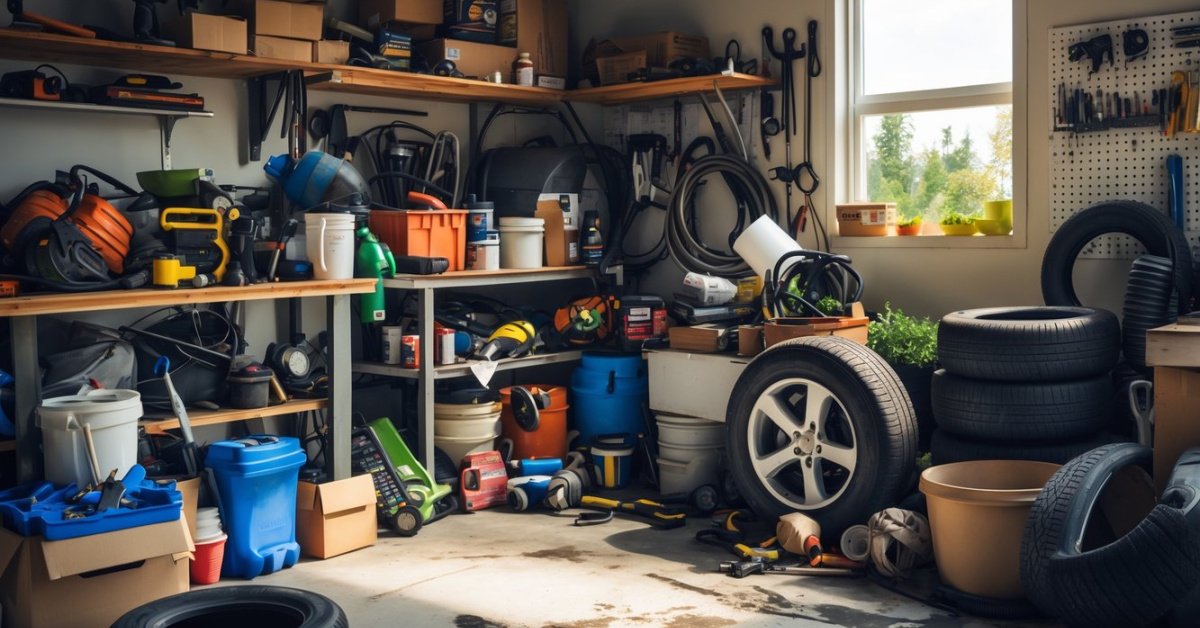
Whenever I walk into my garage workshop I love seeing my tools lined up and ready for action. There’s nothing like the feeling of grabbing a wrench or drill that works perfectly every time. But I’ve learned that keeping tools in top shape takes a little effort and some smart habits.
It’s easy to let things slide when projects get busy but a well-maintained tool collection saves time money and frustration down the road. With just a few simple routines I make sure my tools last longer and work better so every job goes smoother.
Importance Of Proper Tool Maintenance In A Garage Workshop
Consistent maintenance boosts tool reliability in any garage workshop. I see fewer breakdowns and smoother project flow when my clients keep their hand tools, power tools, and specialty gear like torque wrenches in top condition. Clean, lubricated, and sharp tools cut down setup times and handle jobs like woodworking, car repair, or home projects without delays.
Extended tool lifespan means less money spent on replacements. Rust, dust buildup, and dull blades shorten the life of expensive equipment like saws, drills, and air compressors. My regular cleaning and inspection schedules prevent most early failures.
Improved safety stands out in any home garage used for DIY or repair. Well-maintained tools like jacks, wrenches, and grinders operate safely, reducing injury risk and accidents compared to neglected ones.
Efficient use of garage space connects directly with tool maintenance. Labeled, clean tools store more neatly on wall racks, pegboards, or drawers. I design organized zones for maintained tools, freeing up work surfaces and floor space for larger garage projects.
Consistent performance on every job reduces frustration. Whether tightening bolts on a vehicle lift or assembling custom cabinets, I finish jobs quicker when my tools work as intended each time.
Essential Steps For Cleaning And Storing Tools
Maintaining a clean, organized tool collection maximizes the utility of any home garage. I optimize garage spaces by helping owners build habits around tool care and efficient storage.
Cleaning Techniques For Hand And Power Tools
Clean hand tools right after each use, using a dry cloth or stiff nylon brush to remove dust, dirt, and debris. For tougher grime or sticky residues, apply a small amount of mineral spirits. Dry the tools thoroughly to prevent surface rust.
Clean power tools with compressed air to remove sawdust and particles from vents and moving parts. Wipe exterior casings with a damp microfiber cloth and a mild detergent, making sure to unplug or remove batteries first. Lubricate metal components like blades and gears with a light machine oil to keep mechanisms moving freely. Inspect cords for frays and replace damaged parts promptly to avoid hazards.
Proper Storage Solutions To Prevent Damage
Store tools in climate-controlled zones of the garage to reduce exposure to moisture and temperature swings. Hang hand tools on wall-mounted pegboards or custom shadow boards near the main workspace for visibility and quick access. Place power tools in stackable, labeled bins or on adjustable shelving, ensuring each tool has a dedicated spot.
Mount magnetic strips for metal tools like pliers and screwdrivers along workflow areas to save drawer space. For frequently used items, set up clear storage containers with silica gel packets to minimize humidity and prevent rust. Lock cabinets or drawers keep valuable or sharp tools secure and away from children. Integrate vertical storage racks for larger equipment to clear floor space and maintain a clutter-free, versatile garage.
Preventing Rust And Corrosion On Workshop Tools
Keeping moisture away from my tools directly increases their lifespan in my clients’ garage workshops. I always implement systems that protect tool surfaces so they consistently deliver reliable performance and avoid premature wear.
Tips For Moisture Control
Managing air humidity in the garage space prevents rust formation on metal tools. I install dehumidifiers in damp-prone garages to keep humidity below 55%—especially after heavy rain or during winter in colder climates. I also recommend weather-stripping garage doors and windows to limit moisture entry; this works well in older structures. Using desiccant packs in tool drawers and storage bins keeps microclimates dry. Storing tools off concrete floors by using racks or pegboards stops condensation from building up on tool surfaces.
Using Lubricants And Protective Coatings
Protective oils and corrosion inhibitors shield metal tools from oxidation. I apply a thin coating of machine oil—such as 3-in-One Oil—on pliers, wrenches, and saw blades before storing them long term. I also use commercial rust preventatives on hand planer soles and drill bits with high carbon content. For power tools, spraying silicone lubricant on moving parts and painting exposed metal with tool-specific protectants blocks moisture penetration. These practices significantly reduce the risk of rust, especially in unheated garages or coastal regions where corrosion occurs faster.
Regular Inspection And Repair Of Tools
Routine inspection and repair of garage tools form the foundation of efficient space optimization. I keep every corner functional by maintaining tools in peak condition, which prevents unexpected breakdowns that disrupt work and clutter valuable bench areas.
Identifying Signs Of Wear And Tear
I spot tool issues before they interrupt workflow by checking regularly for visible damage, corrosion, or worn-out components. Cracked handles, loose fittings, and chipped cutting edges—like those on chisels or pliers—signal parts that can’t provide safe or accurate results. I also listen for grinding sounds or resistance during use, which often means gears or bearings in power tools are failing. Finding dull blades or rusted hinges on saws and garden tools keeps me proactive about both tool longevity and safety.
When And How To Sharpen Or Replace Tools
I restore edge efficiency by sharpening dull blades with dedicated sharpening stones, honing guides, or electric grinders. Handheld files work well for garden shears or axes, while carbide sharpeners keep kitchen or utility knives effective. I always check the manufacturer’s recommendations to avoid removing too much material. If I see excessive rust, cracks in tool heads, or broken insulation on power tool cords, I replace those tools or parts since repairs can’t restore full safety or function. I maintain a clean, accessible spot for replacement tool parts, ensuring that swaps are quick and don’t interrupt productivity or garage organization.
Organizing Your Garage Workshop For Efficient Maintenance
A well-organized garage lets me maintain tools quickly and keeps every project running smoothly. Precise space planning and smart routines form the foundation for efficient tool care.
Creating A Maintenance Schedule
Consistent tool maintenance increases longevity and workspace safety. I use a large whiteboard or wall calendar near my workbench to track weekly and monthly maintenance tasks—examples include blade sharpening, battery checks, and oiling moving parts. Color-coding recurring tasks for different tool types (such as blue for hand tools, red for power tools) simplifies scheduling. I recommend labeling storage bins or drawers with their respective maintenance intervals, so every tool returns to its spot after service. For shared garages, assigning each household member specific weeks ensures no tasks get skipped.
Setting Up A Designated Maintenance Area
Defining a clear maintenance zone reduces clutter and streamlines repairs. In my garage conversions, I install sturdy benches with integrated vise mounts and pegboard backdrops to keep cleaning brushes, rags, and lubricants visible and close by. I dedicate a small shelf or cabinet for specialty maintenance products—examples include rust inhibitors, compressed air, and replacement blades. Good overhead lighting in this zone eliminates shadows during detailed tasks. Rubber mats on the floor add safety and make clean-up easier after servicing tools. When space allows, a mobile workbench doubles as a maintenance station and moves wherever I need it most.
Conclusion
Taking care of my garage tools has become second nature and it’s made every project more enjoyable. I find that a little effort spent on maintenance pays off with tools that work better and last longer.
Sticking to a routine and keeping my workspace organized means I’m ready for any task that comes my way. My garage feels more inviting and I spend less time searching for what I need.
It’s amazing how much smoother everything goes when my tools are reliable and easy to find. With just a few simple habits I’ve turned my garage into a space where creativity and productivity thrive.


