
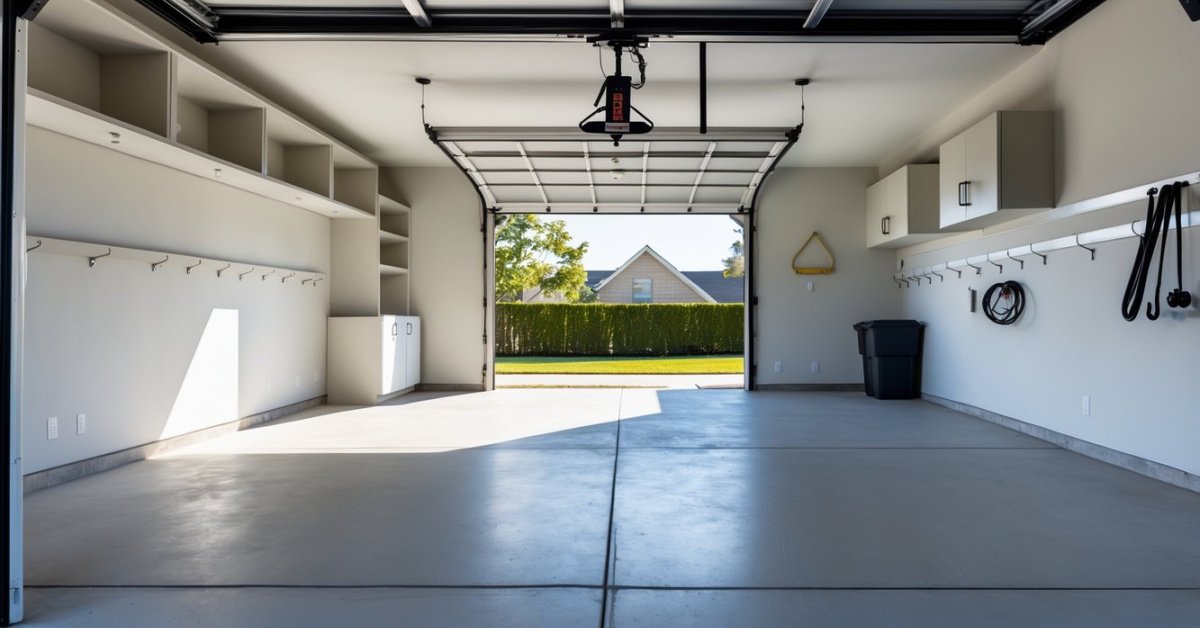
When I pull into my garage and see a jumble of bikes, boxes, and tools crowding the space, I know I’m not alone. Trying to fit more than one vehicle in there feels like a puzzle that never quite comes together. The good news is that a little strategy can make even the most chaotic garage work for multiple cars.
I’ve learned that creating a plan and making the most of every inch can turn a cluttered garage into a smooth-running space. Whether you’re juggling cars, motorcycles, or even a boat, there are simple ways to reclaim order and get everything to fit—without giving up on convenience or style.
Assessing Your Garage Space
Every successful multi-vehicle garage setup starts with a detailed assessment. I always look at both the physical dimensions and owners’ daily routines to design solutions that optimize every foot.
Measuring Dimensions and Vehicle Requirements
First, I measure the internal length, width, and height of the garage, recording dimensions to the nearest inch. I compare these measurements to the required footprint of each vehicle, including cars, motorcycles, or boats. For example, a midsize sedan usually needs 16 feet by 6 feet, while a pickup truck may need up to 20 feet by 8 feet. I also account for clearance around doors for walking or loading. If ceiling height allows, I factor in options like overhead storage or lifts.
| Vehicle Type | Minimum Length (ft) | Minimum Width (ft) | Minimum Height (ft) |
|---|---|---|---|
| Sedan | 16 | 6 | 5 |
| SUV/Truck | 18-20 | 7-8 | 6 |
| Motorcycle | 7 | 3 | 4 |
| Boat | Varies | Varies | Varies |
Identifying Storage Needs and Limitations
Next, I catalog all items owners want to store beyond vehicles. Tools, bikes, lawn equipment, and seasonal décor are common. I list the quantity, frequency of use, and any special requirements like climate protection or power access. I also identify built-in limitations—such as immovable utilities, main doors, and support pillars—that may constrain layout options. Any existing shelves, cabinets, or awkward corners get mapped since creative storage solutions often start there.
When assessing space, I ensure every need and every constraint ties directly into my plan for a productive, multi-vehicle garage.
Zoning the Garage for Multiple Vehicles
I design zones in garages to accommodate multiple vehicles by balancing room for parking and efficient movement. Clear zoning prevents accidental scrapes, speeds up parking, and keeps pathways clutter-free.
Allocating Parking Spaces
I mark out individual parking zones for each vehicle type by using floor paint, stenciled lines, or mats. I always consider each vehicle’s dimensions–for example, a midsize sedan usually needs around 8 by 18 feet, while a standard SUV requires about 9 by 20 feet. For motorcycles or smaller recreational vehicles, I devote narrower bays or corner spaces. I group similar vehicles together when possible to save space and keep traffic patterns consistent. I anchor wall bumpers and guides at strategic points to minimize risks when drivers pull in or back out. I check that there’s at least 24-30 inches of clearance on each side of the main car zones for easy door operation and movement.
Creating Pathways and Access Points
I establish wide, direct pathways to let users walk, load, or unload without squeezing past bumpers or storage shelves. I keep primary access points—like the route from the home door to the car—unblocked and wider than 36 inches. I cluster bulky storage off to the garage sides or in overhead racks so the central route stays open. I install designated drop zones for strollers, sports gear, or recycling bins along the edge of each path, making sure nothing impedes common walking lines. By mapping out these access points before moving vehicles or storage in, I enforce an organized flow that works for everyone using the garage.
Storage Solutions for Shared Spaces
Storage solutions streamline multi-vehicle garages by using every available surface. I maximize overhead, wall, and perimeter zones to reduce floor clutter and keep access routes clear.
Overhead and Wall-Mounted Options
Overhead racks use ceiling space above the vehicles. I recommend these for storing seasonal bins, infrequently used sports equipment, or bulky holiday decorations. Wall-mounted tracks and pegboards hold tools, hoses, and yard equipment vertically, keeping entire walls productive. Heavy-duty hooks and slatwall panels support bikes, ladders, and folding chairs, freeing up ground space for cars or motorcycles.
Modular Shelving and Cabinets
Modular shelving adjusts to changing needs. I use open metal shelving for visible, quick-grab items like cleaning supplies, gallon jugs, and hardware organizers. Lockable cabinets provide secure storage for chemicals, valuables, and automotive fluids. Corner units and stackable crates fit odd spots without blocking walking paths. By mixing closed and open shelving, I separate daily-use items from long-term storage, turning the garage perimeter into high-efficiency storage without encroaching on vehicle zones.
Organizing Tools and Equipment
Efficient tool and equipment storage transforms a cluttered garage into a streamlined, multi-vehicle space. I prioritize creative, functional systems to maximize floor space and keep everything easily accessible.
Tool Storage Strategies
Wall-mounted storage maximizes available vertical space for tools of all types—drills, wrenches, or garden shears. I install adjustable pegboards or track systems, so each tool has a designated spot and nothing blocks vehicle routes. Magnetic tool strips secure hand tools like screwdrivers without heavy shelves. For larger power tools—for example, miter saws or air compressors—I use lower, heavy-duty shelving along sidewalls to keep them within reach without blocking access points.
Rolling tool chests offer mobile storage for both maintenance and automotive work. Clients with extensive tool collections often choose custom cabinet systems, which let me create flexible solutions with locking doors and pull-out bins. By labeling every cabinet drawer and pegboard hook, I make sure each item returns to its proper place.
Managing Sports Gear and Seasonal Items
Storing sports gear and seasonal equipment off the garage floor clears essential room for vehicles. I use overhead racks for light but bulky items like snowboards or inflatable kayaks, keeping them out of the way yet reachable with a step stool. Deep storage bins or wire baskets mounted on high shelves manage off-season items—skates, camping gear, or holiday decor—without losing valuable real estate below.
For quick-access gear, like bikes or skateboards, I mount vertical hooks or slatwall racks near the garage entrance. I keep family gear zones separate with labeled totes, so everyone finds their own gear fast. In garages facing harsh weather, I install ventilated metal shelves, preventing moisture buildup and protecting equipment year-round. Each of these systems preserves parking zones while giving owners easy access to everything they use.
Maintaining Safety and Accessibility
Maintaining a safe, accessible layout keeps every multi-vehicle garage functional for daily use. I integrate essential features so vehicle movement, storage access, and exits stay open and hazard-free.
Optimizing Lighting and Ventilation
Bright, proper lighting and reliable ventilation protect every garage user and vehicle. I install ceiling-mount LED fixtures across parking zones and access paths, choosing 4000K to 5000K daylight bulbs for accurate color and maximum visibility. I add task lighting over workbenches or tool areas, using flexible arm lamps or strip lights for focused coverage.
Efficient airflow minimizes exhaust buildup and humidity issues. I recommend high-capacity exhaust fans in exterior walls or windows, sized for the garage’s square footage, as specified by OSHA ventilation guidelines. Where passive airflow helps, I add louvered vent grilles or install operable windows. Dehumidifiers control moisture in regions with regular dampness or seasonal climate swings.
Ensuring Emergency Exits and Clearances
Every garage layout I design prioritizes open, accessible emergency exits in compliance with local building codes. I designate clear walkways—at least 36 inches wide—leading from each vehicle zone directly to the main entry door and any side exits. Roll-up or side doors remain unblocked at all times. In garages with attached living spaces, I use photo-luminescent strip tape to mark exit paths on floors and walls, improving nighttime visibility.
Fire extinguishers sit near exits and at least one carbon monoxide detector is mounted near the main entry. I mount safety signage for quick tool, chemical, and exit identification. Storage shelves never jut into pathways or encroach on minimum door clearance, anchored securely to prevent tip-over hazards. This way car doors open fully, exit doors swing unobstructed, and all users move safely within the space at all times.
Tips for Keeping Your Garage Organized
Staying organized in a multi-vehicle garage starts with consistency. My approach relies on clear strategies to keep everything in its place over the long term.
Establishing Routines for Maintenance
Establishing routines for garage upkeep simplifies space optimization. I create a recurring schedule for quick tasks like sweeping and putting away gear—often weekly—so vehicle lanes and zones don’t collect clutter. Every quarter, I review storage effectiveness by checking if bins are still labeled correctly and racks hold only current-season equipment. For example, spring cleaning involves swapping out snow shovels and salt for bikes and camping gear. During this process, I assess if any storage system isn’t getting used and update the layout quickly. By making organization a routine, I transform maintenance from a chore into a simple habit.
Involving the Whole Family
Involving all garage users streamlines long-term organization. I assign zones for each user or activity, so every person in the household—adults, kids, or guests—knows where their items belong. For instance, I hang color-coded hooks at different heights for kids’ sports bags and scooters; tools and car accessories go higher up in locked cabinets for adults. Family meetings about garage rules help everyone follow the same system, and clear signage (like labeled bins or wall decals) serves as constant reminders. When the garage works for everyone, keeping it organized feels second nature.
Conclusion
Organizing a garage for multiple vehicles might seem overwhelming at first but it’s absolutely doable with a bit of planning and creativity. I’ve found that a well-thought-out layout not only makes parking easier but also brings a sense of order and calm to the whole space.
Once you’ve set up your systems and routines you’ll notice just how much smoother daily life gets—no more hunting for lost tools or squeezing past clutter. A garage that works for you leaves more time for what matters most whether that’s a weekend drive or a family bike ride.


