
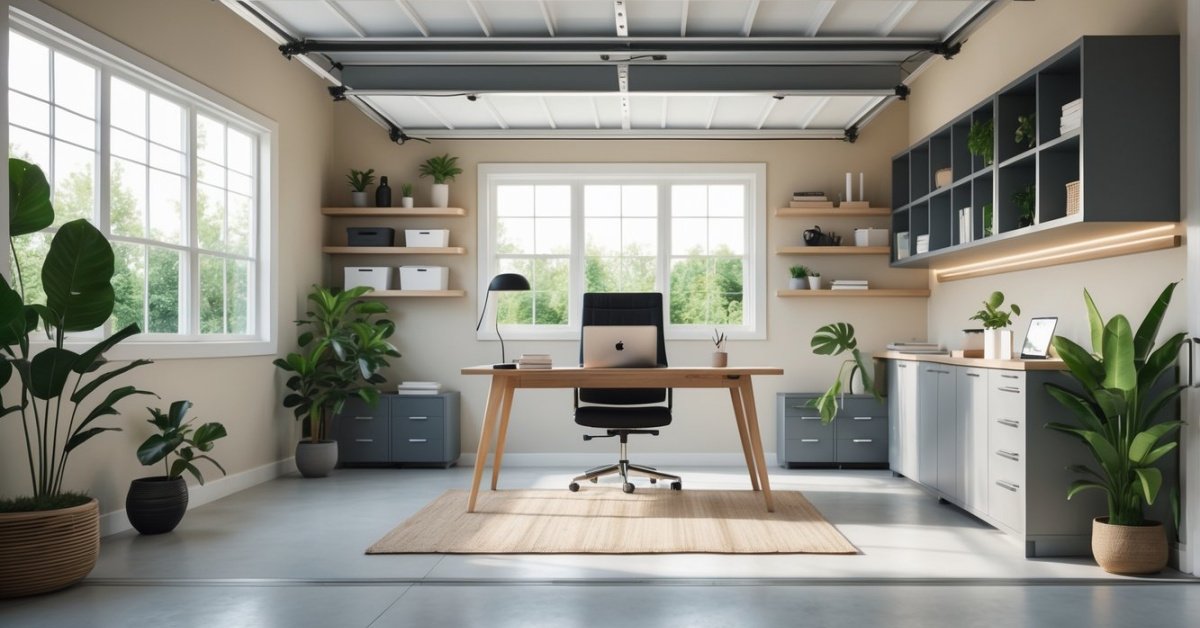
I’ve always looked at my garage and wondered if it could be more than just a place to park my car or stash old boxes. With a little imagination and some elbow grease, that overlooked space can become the perfect spot for my favorite hobbies. Whether I dream of painting, woodworking, or even gaming, my garage holds so much potential.
Transforming a garage into a hobby room isn’t just about adding a workbench or a comfy chair. It’s about creating a space that inspires me and lets my creativity flow. I love the idea of having a dedicated area where I can unwind and focus on what makes me happy.
Benefits of Turning a Garage Into a Hobby Room
Maximizing garage space for hobbies brings multiple advantages beyond storage value.
- Increased Usable Square Footage
Converting the garage into a hobby room instantly adds livable area to the home. Clients gain extra room for activities, whether it’s painting, model trains, or band practice.
- Tailored Organization
Custom storage solutions optimize every inch. Adjustable shelving, wall racks, and cabinets keep woodworking tools, paints, or craft materials tidy and accessible.
- Controlled Environment
Insulated walls, upgraded lighting, and HVAC options create a comfortable, year-round space for creativity. Temperature and humidity stay stable, ideal for artwork or instrument storage.
- Property Value Boost
Remodeled garage spaces often attract buyers seeking flexible layouts. According to Remodeling Magazine’s 2023 Cost vs. Value Report, garage conversions may recoup up to 80% of their cost, depending on local markets.
- Dedicated Creative Zone
Having a defined hobby room helps homeowners focus. Clients share that studios and workbenches away from daily distractions increase their enjoyment and productivity.
- Multi-Function Flexibility
Hobby rooms easily adapt over time. One owner I worked with designed a space that seamlessly shifted from a home gym to a workshop as their interests changed.
Planning Your Garage Conversion
Planning a garage conversion lays the groundwork for a functional and inspiring hobby room. I take each step with precision so every garage reaches its full potential and truly supports its owner’s interests.
Assessing Your Space and Needs
Assessing your space starts with clear measurements and honest evaluation of your needs. I measure the entire garage, noting ceiling height, wall lengths, and door positions. I identify limitations like uneven flooring, low ceilings, or obstructions—water heaters and electrical panels, for example, could need workarounds. I ask detailed questions about your hobby—like painting, woodworking, or gaming—to determine specific requirements for storage, ventilation, floor durability, electrical outlets, and lighting. I also account for shared uses, such as bike storage or laundry, so each part of the room functions smoothly.
Setting a Budget
Setting a budget for a garage conversion anchors the project’s possibilities. I outline key cost categories: major upgrades (insulation and drywall), electrical work (extra outlets or upgraded panels), lighting fixtures, built-in storage, flooring, and specialty features. I collect estimates for each aspect before starting work. I help clients prioritize—sometimes repurposing materials already in the garage or recommending economical options like modular flooring or wall-mounted storage. I’ve worked on conversions ranging from $2,500 for simple upgrades to $15,000+ for full-featured hobby rooms with custom workbenches and smart lighting systems. I focus on maximizing impact within your set budget, matching investment with both present needs and potential resale value.
Key Steps in the Transformation Process
Every successful garage conversion starts with a clear action plan. I approach each project by breaking it down into essential phases, making sure the space reaches its full potential for your hobbies.
Cleaning and Preparing the Garage
Cleaning and preparing the garage provides a solid base for all upgrades. I remove everything from the garage first so I can inspect every area. Sorting items and clearing old shelving opens up usable square footage. I check for moisture, pest issues, and needed repairs, handling cracks, leaks, or faulty doors. Deep cleaning with a pressure washer ensures a fresh start for flooring and walls. If the garage has old oil stains or built-up grime, I apply heavy-duty degreasers. This prep work makes each following step more effective.
Insulation and Flooring Options
Insulation and flooring options ensure year-round comfort and durability. I install rigid foam panels, fiberglass batts, or spray foam based on the garage’s construction and climate. For finished walls and ceilings, sealed drywall or plywood work well. I address gaps around doors and windows with weatherstripping or caulk. For flooring, I recommend finishes designed for workshops and hobby rooms: interlocking tiles, sealed concrete, epoxy coatings, or vinyl planks. Choosing light colors and moisture-resistant flooring keeps the space easy to clean and bright. If the garage is prone to cold drafts in winter, I consider radiant mats or area rugs.
Lighting and Electrical Upgrades
Lighting and electrical upgrades create a functional, well-lit workspace. I replace basic bulbs with bright LED fixtures or shop lights, positioning them above work areas for minimal shadows. For task zones, I mount under-cabinet strips or articulating lamps. I arrange dedicated outlets at bench height for tools, computers, or hobby gear, installing GFCI protection for safety. If my client’s hobbies involve power tools or digital equipment, I check the electrical panel and wiring to support increased usage. Smart switches and dimmers add convenience, especially if the room serves multiple purposes. Good ventilation ties into this phase, so I install quiet exhaust fans or screened windows for air quality during projects involving paints or chemicals.
Designing Your Ideal Hobby Room
Designing your ideal hobby room turns the garage into a high-function space tailored to how you create, build, or relax. I focus on delivering organized layouts and creative details, so the space boosts productivity and fuels inspiration.
Storage Solutions and Organization
Customizing storage makes garage hobby rooms functional and clutter-free. I install sturdy wall-mounted shelves to keep paints, tools, or gaming gear organized and visible. Overhead racks hold seasonal or less-used items, like extra canvases or large materials. Cabinets with lockable doors add security for valuable or hazardous supplies. Pegboards above workbenches bring order to hand tools or art implements, with hooks and bins for quick access. Rolling carts and modular drawers let you reconfigure the workflow for hobbies that change often. I plan walkways and keep clear work zones to maintain safety and maximize usable space.
Personalizing the Space for Your Hobby
Personalized details connect the garage hobby room with your creative interests. I suggest bold accent walls for artists, maybe with custom slatwall panels for displaying finished pieces. Adjustable-height benches, soundproofing tiles, and fire-resistant mats serve woodworkers or crafters who need durability and comfort. Tech hobbyists get cable raceways and dedicated device charging stations for gaming rigs or electronics projects. I add task lighting that matches the activity zones—daylight panels for painting, targeted LEDs for gaming, or sunlight-mimicking fixtures for plant corners. Custom seating, wall art, and unique hooks give each space a signature feel. My design approach adapts as your hobbies evolve, ensuring the garage hobby room always feels relevant and inspiring.
Common Challenges and How to Overcome Them
Converting a garage into a purposeful hobby room brings specific challenges that I see in nearly every project. Addressing these issues ensures the new space is practical, safe, and comfortable.
- Insufficient Insulation
Insulating garage walls, ceilings, and doors stops drafts and temperature swings. If the garage remains uninsulated, outside weather impacts comfort and damages supplies (foam board on walls, weatherstripping on doors, and insulated garage door panels), as confirmed by Energy.gov recommendations.
- Moisture and Water Intrusion
Sealing garage floors and checking door seals prevent moisture damage. Unsealed floors and faulty garage doors let in dampness, risking mold and warping (waterproof epoxy floor coatings and commercial-grade door thresholds secure vulnerable areas).
- Limited Electrical Outlets
Adding new outlets and updating the panel supports hobby equipment and lighting. Existing garage wiring rarely provides the capacity or placement needed for task lights, tools, or computers (licensed electricians can add new circuits and GFCI outlets to meet National Electric Code).
- Poor Lighting
Upgrading lighting with bright, energy-efficient fixtures brightens work areas. Most garages rely on a single bulb, causing shadows and straining eyes (LED strip lights, under-cabinet task lights, and adjustable fixtures transform visibility), as recommended by the American Lighting Association.
- Security Concerns
Upgrading locks, installing open/close sensors, and adding motion-activated cameras deter unauthorized entry. Original garage latches and padlocks rarely provide adequate security (smart locks and phone-linked cameras provide peace of mind).
- Awkward Layouts or Obstructions
Relocating or enclosing water heaters and furnaces or rerouting overhead ducts frees up wall and floor space. Garage hobby rooms lose functionality when mechanical systems intrude on work zones (custom enclosures and rerouted utilities restore usable floor area).
- Noise Transfer
Installing acoustic panels or soundproofing shields adjacent living areas from noisy equipment. Unmodified garage walls transfer sound easily, causing disruptions in nearby rooms (dense insulation and double-layer drywall dampen noise).
- Storage for Multiple Needs
Maximizing vertical space and using modular storage keeps different hobby materials tidy. Jumbled tools, paints, and kits clutter workspaces when organizers are missing (ceiling racks, wall slat systems, and stackable bins maintain order).
Confronting these common issues ensures each garage-turned-hobby room reaches its full potential, supporting creativity, comfort, and practicality in every square foot.
Conclusion
Turning my garage into a hobby room has been one of the most rewarding projects I’ve taken on. It’s amazing how a little planning and creativity can turn an overlooked space into a personal retreat that matches my passions.
Now every time I step into my garage I’m greeted by a space that truly feels like mine ready for whatever project or pastime I want to dive into next. If you’re thinking about making this transformation trust me—it’s worth every bit of effort.


