
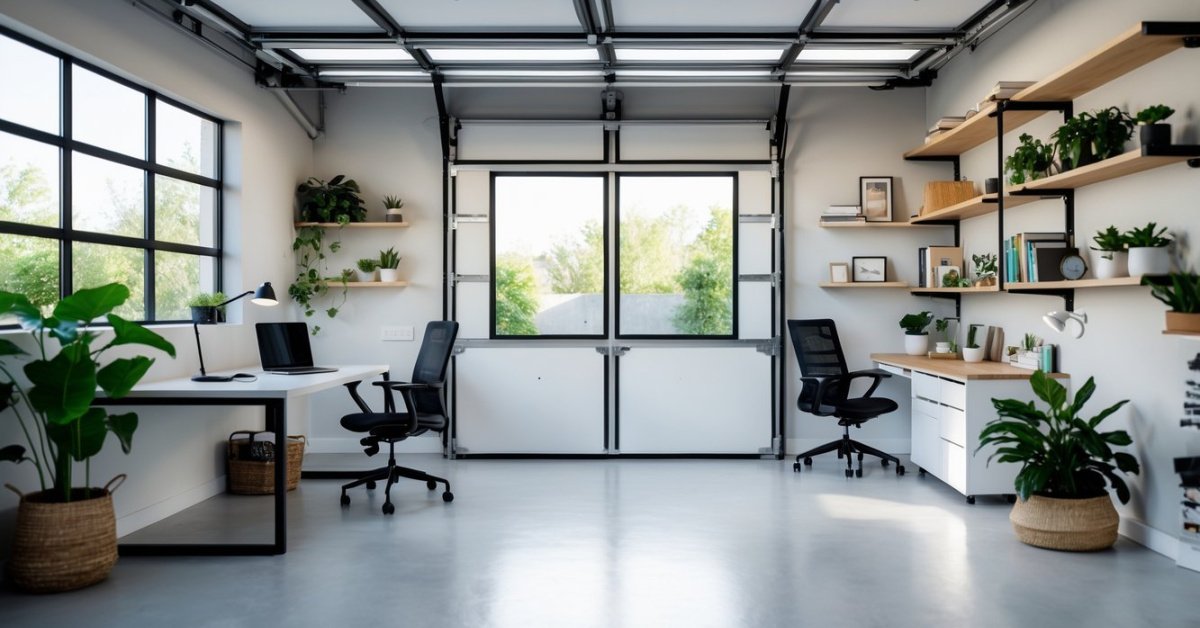
Every time I step into my garage I’m reminded how quickly clutter can pile up. Tools, sports gear, and random odds and ends seem to take over every available surface. I used to think I just needed more shelves or bins but that never really solved the problem.
That’s when I discovered slatwall systems. They completely changed the way I organize my garage. With just a few panels and the right hooks I found a way to keep everything off the floor and within easy reach. Now my garage feels bigger and I can actually find what I need without digging through piles.
What Are Slatwall Systems?
Slatwall systems use horizontal panels with evenly spaced grooves, designed to hold locking accessories. Each panel mounts directly to wall studs, creating a sturdy surface for hanging storage. I use PVC or MDF slatwall materials in most garage projects, with PVC often preferred for moisture resistance.
Accessories for slatwall systems include hooks, baskets, and shelves, which snap or lock into the slats. For example, I hang bikes, yard tools, or sports gear using heavy-duty hooks. Baskets and bins fit cleaning products or smaller items like gloves and car wash supplies.
Modular slatwall panels allow flexible reconfiguration. When garage owners’ needs change, I simply rearrange accessories without tools. Panels fit together, covering as much or as little wall space as needed for the garage layout. Slatwall’s custom fit means I can optimize storage for any garage size or shape.
Key Benefits Of Using Slatwall Systems For Garage Storage
Slatwall systems let me transform unused wall space into prime storage real estate. My clients unlock new levels of efficiency and order when I integrate these panels into their garage layouts.
Maximizing Wall Space
Slatwall panels maximize garage wall space by turning every vertical surface into storage. I mount panels from floor to ceiling so clients hang tools, extension cords, and sports gear on hooks or baskets, keeping floors clear. This approach creates usable capacity along the entire wall, which rarely happens with shelves alone.
Customization And Flexibility
Customization defines slatwall systems in garage settings. I select from hooks, bins, shelves, or specialty racks so each client organizes exactly what they own. Components swap out or move in minutes, helping clients adapt as storage needs shift—like switching from gardening season to winter sports. No permanent fasteners lock anyone into a rigid layout.
Improved Organization And Accessibility
Organization improves dramatically when I use slatwall features. Grouping garden tools, power drills, or kids’ bikes means each item sits in plain sight instead of getting buried in stacked totes. Accessibility increases for everyone; even younger family members find their essentials without searching. This visibility translates to less time looking and more time enjoying an uncluttered garage.
How To Install Slatwall Systems In Your Garage
Installing slatwall systems turns unused wall space into functional storage. I follow an efficient process so clients get solid, attractive results with maximum flexibility.
Tools And Materials Needed
I gather these specific tools and materials when preparing to install garage slatwall systems:
- Power drill with bits for mounting panels to wall studs
- Stud finder for locating framing behind drywall
- Level for keeping rows straight during installation
- Tape measure for marking panel heights and gaps
- Pencil for marking drill points and layout lines
- Screws approved for wall material and panel weight (typically 2.5–3″ for wood studs)
- PVC or MDF slatwall panels, cut to wall dimensions
- Saw (circular, table, or hand) for custom panel cuts
- Safety gear including eye protection and dust mask
Step-By-Step Installation Process
I use this step-by-step approach to ensure each slatwall installation is efficient and secure:
- Locate wall studs using a stud finder and mark centers with a pencil across the entire wall area.
- Measure panel placement from the floor up, using a tape measure and level to ensure every panel starts straight and aligns perfectly.
- Cut panels with a saw if custom sizes are required, always wearing safety gear when cutting PVC or MDF.
- Pre-drill screw holes through slatwall slots directly over each stud location, spacing holes evenly to distribute panel weight.
- Mount the first panel at the lowest marked position, driving screws into every available stud, then checking for level before fully tightening.
- Add additional panels by stacking above the first, aligning groove patterns, and securing each sheet before moving to the next row.
- Install finishing strips or edge trims if supplied for clean borders and to cover cut edges.
- Test panel stability after installation by gently tugging on various slots before loading with hooks and accessories.
Using this method streamlines slatwall installation. If my client requests specific accessory placements, I often pre-plan hook locations and add reinforcements as needed for heavier items.
Popular Accessories And Add-Ons For Slatwall Garage Storage
Optimizing garage space with slatwall systems gets even more effective with the right accessories. I rely on a range of add-ons to adapt each garage to its owner’s routines and hobbies.
Hooks And Racks
Hooks and racks form the backbone of slatwall garage organization. I use heavy-duty single hooks for shovels, rakes, and similar tools. Double hooks support ladders or hoses, keeping them high and dry. Utility racks mount directly onto slatwall panels for items like brooms or long-handled garden tools. Specialized racks with contoured arms keep bicycles securely stored off the floor. For clients with lots of yard equipment, I install multi-tool racks that hold five to ten handled tools at once.
Shelving Options
Shelving options extend storage possibilities across wall space. I install deep wire shelves above head height for rarely used bins or seasonal items. Flat metal shelves fit at arm-level for quick access to paint cans, cleaners, and car care supplies. Adjustable shelf brackets allow clients to change shelf heights as needs shift. Corner shelves use every available inch around garage doors. Most shelves snap onto the grooves, making reconfiguring fast and simple.
Specialized Holders For Tools And Sports Equipment
Specialized holders help organize garages based on specific gear. Magnetic tool holders line up screwdrivers and pliers in plain sight. Sports ball baskets attach directly to the wall, designed with mesh for quick visibility of basketballs or soccer balls. Fishing rod holders cradle up to six rods without risking tangles or breakage. Helmet hooks and skate racks keep athletic gear tidy and aired out. Garden tool holders feature wide slots that cradle spades, hoes, and cultivators upright. For clients with hobby collections—like golf, tennis, or camping—I select custom holders to match their space and storage goals.
Tips For Maintaining And Optimizing Your Slatwall System
- Clean slatwall panels regularly using a microfiber cloth or soft brush to keep dust and debris from accumulating in the grooves.
- Inspect panels and mounting screws every three months to confirm they’re secure against the studs and show no signs of warping or water damage, especially if using MDF panels in humid climates.
- Rearrange accessories seasonally to match your changing storage needs, keeping frequently used tools and gear within arm’s reach, such as positioning bike hangers higher in winter and lower in summer.
- Label storage zones with sticky labels or color-coded bins for quick identification—assign one color for automotive tools, another for sports gear, and another for gardening supplies.
- Store heavier items, like power tools or large containers, where structural support is strongest—directly over wall studs—so everything remains safe and organized.
- Avoid overloading single hooks or shelves; check manufacturer weight ratings, and if in doubt, spread out weight between two or more accessories.
- Rotate accessory types based on evolving hobbies or family needs, such as swapping out shelves for baskets during gardening season or adding extra hooks for holiday decorations.
- Upgrade basic hooks and baskets to specialty options, including magnetic tool holders or adjustable bins, to keep your storage both efficient and adaptable as your inventory grows or changes.
| Maintenance Task | Recommended Frequency | Example Items |
|---|---|---|
| Panel cleaning | Monthly | Microfiber cloth, brush |
| Hardware inspection | Every 3 months | Screws, anchor points |
| Accessory reorganization | Seasonally | Tool hooks, bike racks |
| Storage zone labeling | As needed | Color stickers, labels |
Conclusion
Since adding a slatwall system to my garage I’ve found a new appreciation for organized spaces and the calm they bring. It’s amazing how a simple change can make such a big difference in my daily routine.
My garage now feels open and inviting instead of cluttered and chaotic. With everything in its place I spend less time searching for tools and more time enjoying my hobbies. If you’re tired of tripping over gear or digging through bins I can’t recommend slatwall systems enough.


