
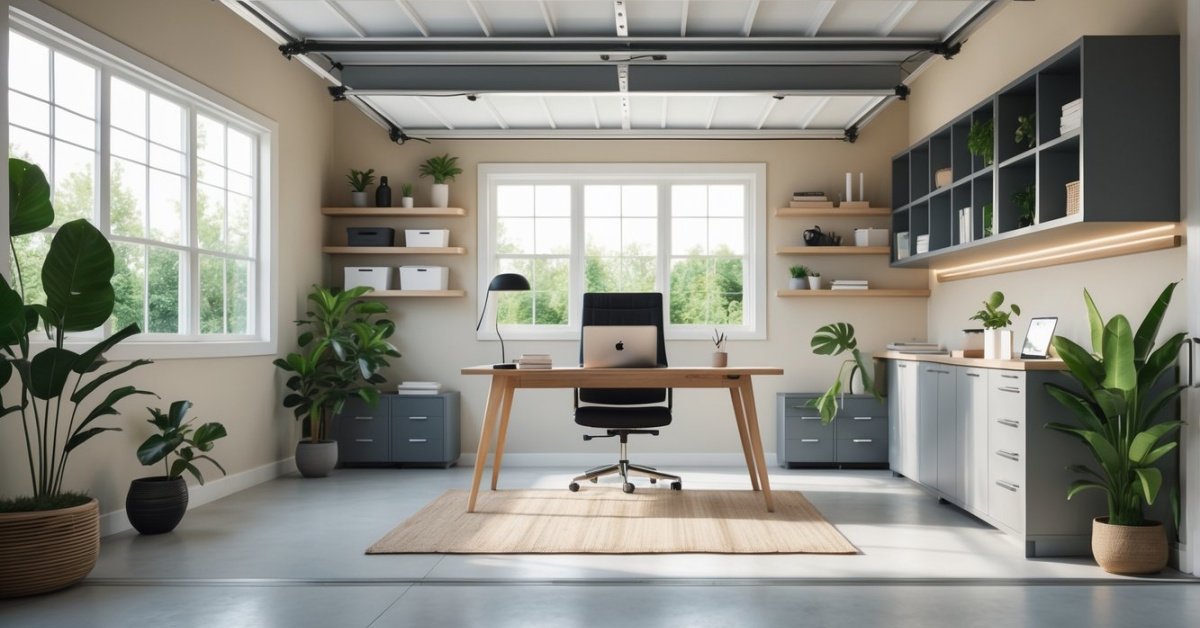
There’s something incredibly satisfying about fixing things with my own hands. Whether I’m working on my car or tackling a quick home repair project I love having the right tools within arm’s reach. Setting up a home garage workshop doesn’t have to be overwhelming but it does help to know which essentials make the biggest difference.
Over the years I’ve learned that a few well-chosen tools can turn any garage into a productive and enjoyable workspace. If you’re ready to dive into DIY projects or just want to be prepared for the unexpected let’s look at the must-have tools that every home garage workshop needs.
Choosing the Right Workspace
Optimizing the home garage involves matching space to current and future needs. I always measure the garage before recommending workshop layouts, making sure to factor in door clearance, ceiling height, and the location of outlets.
Planning work zones helps separate tool storage, benchtop tasks, and open floor assembly. For example, I group wall-mounted cabinets near entry points and set up fixed benches in corners to keep main walkways clear. Dedicated lighting boosts visibility for detail jobs, so I install bright LEDs over benches, plus portable lamps for mobility.
Selecting multipurpose furniture increases flexibility. I choose folding tables, mobile workbenches with locking casters, and ceiling-mounted storage racks for large bins or seasonal gear. I always recommend heavy-duty shelves rated for at least 250 pounds when organizing bulk hardware or power tools.
Efficient ventilation matters for safety and comfort. When I add a workshop area, I install exhaust fans or operable windows, especially with paint, glues, or automotive fluids nearby. Rubber floor mats cushion standing work and protect dropped tools and surfaces.
Each layout takes into account the range of jobs planned, so owners use every corner effectively. The right workspace makes every DIY or repair project more satisfying and stress-free.
Must-Have Hand Tools
Hand tools lay the groundwork for any optimized garage workshop. I choose each tool with adaptability and daily efficiency in mind.
Wrenches and Sockets
Combination wrenches, adjustable wrenches, and socket sets handle a wide range of bolts and nuts. I store metric and SAE sizes for flexibility across car maintenance and furniture assembly. Deep sockets reach recessed fasteners, and ratcheting wrenches speed up repetitive work. I mount modular racks on pegboards to keep each wrench and socket visible and accessible.
Screwdrivers and Pliers
Magnetic-tip screwdrivers, precision sets, and multi-bit ratcheting drivers improve accuracy and reduce clutter. Phillips, flathead, and Torx models cover most home and garage hardware. Needle-nose pliers, slip joint pliers, and locking pliers tackle gripping, cutting, and bending tasks. I use drawer organizers or wall-mounted holders to keep these tools sorted and ready.
Hammers and Mallets
Claw hammers, rubber mallets, and ball-peen hammers support hanging, framing, and metalwork. My go-to is a 16-ounce curved claw hammer for versatility. Non-marring rubber mallets protect surfaces during work on flooring or furniture. I hang hammers and mallets on slatwall panels near the entrance for quick access during projects and repairs.
Power Tools for Efficiency
Power tools boost productivity, save time on repetitive jobs, and let me tackle complex tasks with less effort. When I set up garage workshops, I rely on a few key categories.
Drills and Drivers
Cordless drills and impact drivers handle most fastening and boring tasks. I choose lithium-ion models for less bulk and longer run times. Adjustable torque and variable speed settings help with delicate jobs like assembling cabinetry or harder jobs like driving lag bolts into studs. I use a selection of drill bits—spade bits for thick lumber, twist bits for metals, and masonry bits for concrete garage walls. Quick-release chucks and magnetic bit holders allow for fast changes, especially when switching between pilot holes and driving screws.
Saws and Cutting Tools
Circular saws and jigsaws allow me to cut plywood, trim doors, and make custom storage solutions. I use a circular saw with guide rails for long, straight cuts in sheet materials. For curved cuts or notching, I switch to a jigsaw with a variable speed trigger. Multi-tools with oscillating blades handle flush cuts and cutouts in tight spaces, which helps when fitting cabinets against irregular garage walls. I keep plenty of sharp blades handy to prevent rough edges or burning.
Sanders and Grinders
Random-orbit sanders speed up surface prep and finishing for woodworking tasks. Dust collection bags or shop-vac attachments help control dust, which keeps my workspace cleaner. For metalwork or removing rust from garage shelving, I depend on angle grinders with a selection of abrasive discs. Flap discs smooth welds, cutoff wheels manage bolts and brackets, and wire wheels clean up corroded fasteners. I always set up grinding and sanding stations away from sensitive tools to prevent abrasive dust from spreading.
Storage and Organization Solutions
Every efficient garage workshop depends on smart storage and organization systems. I use tailored solutions to help maximize work zones and reduce clutter for easy access to tools.
Tool Chests and Cabinets
Tool chests and cabinets keep hand and power tools secure, visible, and sorted. I recommend heavy-duty steel chests with ball-bearing drawers for large tool collections—like socket sets, torque wrenches, and power drivers. Lockable cabinets with adjustable shelving work best for storing chemicals, lubricants, and electrical tools. I group tools by type in labeled drawers, so I spend less time searching and more time working.
Wall-Mounted Systems
Wall-mounted systems free up valuable floor space in every garage. I install pegboards, slatwall panels, or track rail systems to hang pliers, measuring tapes, hammers, and saws. Deep hooks hold extension cords and hoses, while baskets store hardware organizers for screws, fasteners, or nails. I use magnetic strips to keep blades, screwdrivers, and drill bits visible and within arm’s reach. These custom wall setups adapt quickly as project needs change, letting me reconfigure storage without hassle.
Safety Equipment and Accessories
Safety equipment upgrades any home garage workshop, supporting every project and tool investment. I see safety planning as the foundation for optimizing garage space and ensuring peace of mind, whether you’re tackling quick fixes or major renovations.
Protective Gear
Protective gear forms the core of any well-prepared garage. I always recommend:
- Safety Glasses and Face Shields—Use safety glasses for drilling or sawing wood, and opt for full face shields for metal grinding or powered cutting tasks.
- Hearing Protection—Keep earmuffs or foam earplugs handy for persistent noise from saws, sanders, or grinders.
- Gloves—Choose cut-resistant or nitrile gloves for tasks such as metalwork, woodworking, or handling oils and chemicals.
- Respirators or Dust Masks—Wear certified masks when sanding, painting, or using solvents to keep fine dust and fumes out of your lungs.
- Steel-Toe Footwear—Protect feet from falling tools or heavy parts; I suggest laced, high-top steel-toe boots for added ankle support.
I always dedicate a labeled shelf or wall-mounted bin for protective gear to guarantee fast, organized access.
Emergency Kits
Emergency kits turn a functional garage into a truly safe workspace. My top recommendations include:
- First Aid Kit—Stock broad-coverage kits with bandages, sterile gauze, burn cream, and antiseptic wipes for treating scrapes and minor injuries.
- Fire Extinguisher—Mount a multipurpose (ABC-rated) fire extinguisher near your main exit for quick response to electrical, flammable liquid, or wood fires.
- Eye Wash Station—Install a compact, wall-mounted eye wash bottle to flush out debris or chemicals in an emergency.
- Spill Kit—Keep absorbent pads and neutralizing agents close to storage areas for oil, solvents, or gasoline.
I place emergency kits within arm’s reach of entryways and major work zones so response time stays low, even when a new project keeps you focused elsewhere.
Maintenance and Cleaning Tools
Optimizing a home garage workshop always involves maintenance and cleaning tools for smooth operation and extended tool longevity. I include dedicated cleaning stations in every garage project since regular upkeep keeps workspaces efficient and reduces overall downtime.
- Shop Vacs
Shop vacs with powerful suction and large-capacity tanks remove sawdust, metal shavings, and debris from floors and benches. I favor models with HEPA filters for trapping fine particles during sanding or cutting projects.
- Brooms and Dustpans
Heavy-duty push brooms and wide dustpans clear large debris fast after big projects. I place wall-mounted racks near work zones for easy access and quick tidying.
- Microfiber Cloths and Cleaning Sprays
Microfiber cloths and non-abrasive sprays clean tool surfaces, cabinetry, and worktops without scratching finishes. I encourage replenishing these supplies monthly for thorough dust and grease removal.
- Degreasers and Scrub Brushes
Industrial-strength degreasers paired with sturdy scrub brushes tackle oil spills and residue on concrete or tile. I keep these solutions close to automotive work areas for spot cleaning.
- Pressure Washers
Compact electric pressure washers restore stained floors and driveway surfaces. I select models with adjustable pressure to protect delicate finishes on garage doors or storage cabinets.
- Waste Management Solutions
Lidded trash bins and recycling containers segregate waste during projects. I recommend labeling bins for metal, wood scrap, and solvents for safe, eco-friendly disposal.
I integrate these maintenance and cleaning tools into custom storage plans so owners always know where to find what they need. Regular cleaning extends tool performance and workspace enjoyment by keeping the garage inviting and hazard-free.
Conclusion
Building a home garage workshop is a journey that reflects your unique projects and style. I’ve found that choosing the right tools and organizing them thoughtfully can transform any space into a productive and enjoyable retreat.
As you plan or upgrade your own setup remember that a little attention to safety and maintenance goes a long way. With the right essentials and a comfortable workspace you’ll be ready to tackle any project that comes your way.


