
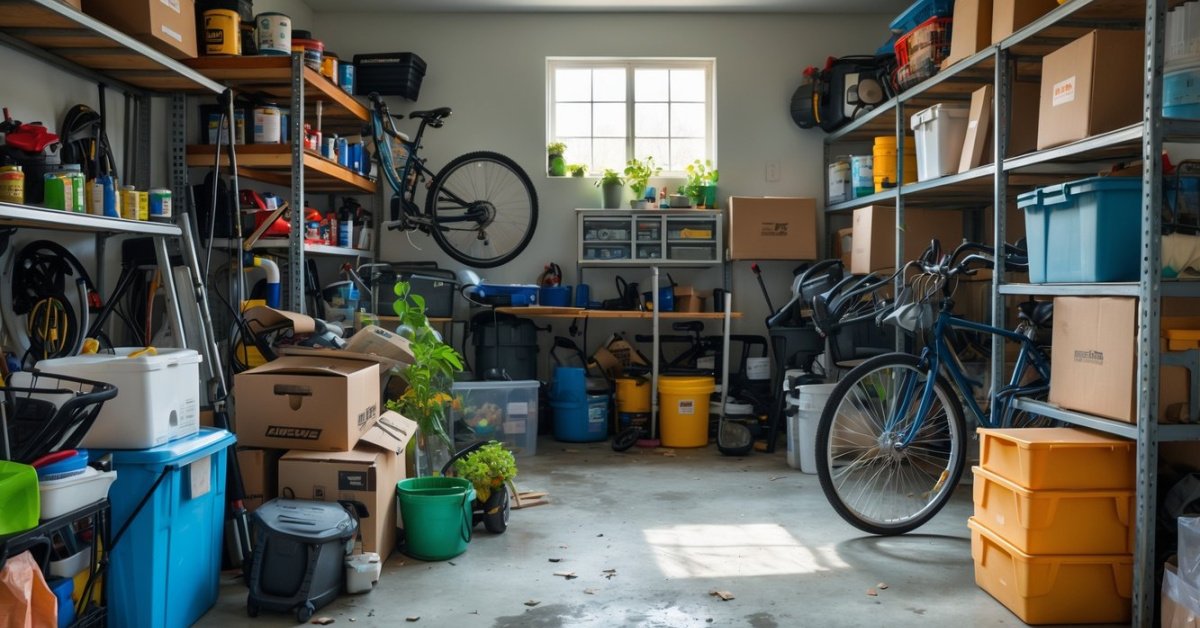
Cleaning my garage floor used to feel like an endless battle against dust, oil stains, and muddy footprints. I’d try different tools only to end up with streaks or leftover grime that just wouldn’t budge. If you’re like me, you know a regular mop just doesn’t cut it when it comes to garage messes.
That’s why I started searching for the best mops made specifically for tough garage floors. The right mop makes all the difference—it saves time, tackles stubborn dirt, and leaves the floor looking almost new. Let me share what I’ve learned so you can find a mop that actually gets the job done.
What to Look for in the Best Mops for Garage Floor Cleaning
Choosing the right mop makes a real difference in time, effort, and results when cleaning a garage. I focus on features that stand up to tough use and help my garage conversions stay cleaner, longer.
Durability and Build Quality
I prioritize durability in any mop I recommend for garage floors. Mops with stainless steel handles, reinforced pivot heads, or heavy-duty plastic joints handle the grit, gravel, and stubborn residue common in home garages. Brands like O-Cedar and Rubbermaid have lines with strong build quality that resist rust and warping through repeated cleanings.
Mop Head Material and Design
Mop head material impacts cleaning power and lifespan in garages. Microfiber heads capture dust and fine debris, which addresses common dust buildup after woodworking or car repair. Sponge or synthetic fiber heads lift oil or greasy stains—vital after vehicle maintenance. Flat, wide mop heads maximize surface coverage and get into corners, while replaceable pads ensure quick swaps after tackling heavy grime.
Handle Length and Comfort
Handle length matters for maneuverability and ergonomic comfort in larger garage spaces. Extendable handles ranging from 48 to 60 inches allow me to clean without bending, saving strain during regular cleanups. I look for padded grips or non-slip designs, which maintain control while scrubbing heavy dirt and sweeping under storage shelves.
Water and Chemical Compatibility
Water and chemical compatibility affects the mop’s longevity and versatility. Mop heads that withstand degreasers, diluted bleach, and standard floor soaps last longer on concrete, epoxy, or sealed garage floors. Brands specifying compatibility reduce risk of pad deterioration or odor retention after soaking up motor oil or paint spills. I always check use instructions from manufacturers to confirm chemical tolerance for garage-specific messes.
Top Types of Mops for Garage Floors
Using the right mop for garage floors supports space optimization by making maintenance smoother and faster. I focus on tools that manage common garage messes efficiently and help owners preserve a clean, adaptable workspace.
Traditional String Mops
Traditional string mops with cotton or synthetic yarn strands handle heavy dirt and liquid spills. I use these for garages with concrete or epoxy floors when I need to soak up spilled water and clean mud tracks. Quick drying becomes critical after use since these mop heads can harbor odors in damp spaces.
Sponge and Roller Mops
Sponge and roller mops with built-in wringer mechanisms remove oil splatters and work well on smooth sealed garage floors. I rely on sponge mops for spaces where I need to soak up spills and control water, limiting excess moisture that can cause surface stains or warping of garage organization systems.
Microfiber Flat Mops
Microfiber flat mops excel at trapping fine dust, pollen, and automotive grime. I clean garages with plenty of high-traffic dust and storage activity using these mops. Low-profile heads glide under cabinets and shelving, helping me keep corners and edges, where dust always gathers, consistently clean.
Steam Mops
Steam mops sanitize garage floors and break up ingrained oil, tire marks, and stuck-on stains without extra chemicals. I use steam mops in attached garages where chemical fumes could encroach on living spaces or where owners want a residue-free shine on sealed floors for multi-use areas like home gyms.
Spin Mops
Spin mops with bucket wringers let me control moisture precisely and speed up drying. I recommend these for garages that double as entryways or hobby spaces, since they handle constant foot traffic and clean up residues from gardening or home improvement projects quickly. Easy wringing makes them a top choice for regular upkeep with minimal hassle.
Our Picks: Best Mops for Garage Floor Cleaning
I’ve tested dozens of garage mops over the years, focusing on efficiency and durability in real garage environments. These picks help maintain an organized, functional garage space with less hassle. Each mop serves a distinct role based on garage use and space optimization needs.
Best Overall Mop
O-Cedar EasyWring Microfiber Spin Mop brings balance to daily messes. Its foot pedal wringer offers hands-free moisture control, freeing up space from bulky wringing setups. The triangular microfiber head reaches corners and traps dust. Machine-washable refills support sustainability and save storage space with compact design.
Best Budget Option
Libman Nitty Gritty Roller Mop cleans efficiently without overspending. The built-in scrubber handles dried-on oil spots and muddy shoe prints common in working garages. The sponge head absorbs liquids quickly and rinses clean in standard buckets. Replacement heads cost less than $10, keeping operational costs down.
Best for Heavy-Duty Cleaning
Rubbermaid Commercial HYGEN Microfiber Mop stands up to abrasive debris and oil. Its industrial-grade microfiber pad lifts heavy dirt and withstands repeated machine washes without deteriorating, aligning with multi-use garages needing consistent tough cleanup. The stainless steel handle resists corrosion, even with regular chemical cleaners.
Best for Large Garages
Bissell BigGreen Commercial Cotton Mop sweeps and soaks up big spills across expansive floors. The wide, looped-end cotton head covers up to 20% more area in each pass, which optimizes time when prepping garages for storage upgrades or workshops. A telescoping handle offers ergonomic reach for all garage layouts.
Best Electric Mop
Bissell SpinWave Electric Mop speeds up deep cleaning for homeowners with hobby gear or pets. Dual spinning pads scrub dried mud and oil with little manual effort, leaving floors ready for storage or new surface installations. The on-demand spray controls water use, important for protecting adjacent items or work zones.
Tips for Effective Garage Floor Cleaning
Keeping my garage floor spotless maximizes its utility and cleanliness. I rely on efficient methods and the right care routine to keep surfaces ready for storage, hobbies, or vehicle parking.
Proper Mop Maintenance
Regular mop care dramatically extends tool life and sustains cleaning results. I rinse mop heads after every use to prevent grit or chemical buildup and hang them to dry fully before storing. For microfiber or cotton models, I machine wash them every two to three weeks if I handle heavy grime, always avoiding fabric softener, which reduces absorbency. I inspect spin and roller mop wringers monthly, tightening loose bolts and clearing out residue that can hamper performance. Well-maintained mops keep my garage workflow smooth and efficient.
Recommended Cleaning Solutions
Selecting cleaning products based on floor material preserves the garage surface and enhances results. I use degreasers with neutral pH—like Zep Commercial or Simple Green—for concrete floors with frequent oil stains, following manufacturer dilution ratios. For epoxy-coated or painted concrete, I prefer a mild detergent such as Dawn mixed with warm water to prevent lifting the finish. Hard water spots respond well to a vinegar-water mix, applied sparingly. I avoid chlorine-based products, since they’re too harsh for most floor types and can degrade integrated floor finishes or seals.
Techniques for Tough Stains
Removing stubborn stains takes targeted action and a methodical approach. I pre-treat oil spots with a baking soda paste or specialized garage degreaser, scrubbing with the sponge head of my mop or a nylon brush. For old paint splatters, I dampen the area, apply isopropyl alcohol, and gently agitate using a microfiber mop for precise lifting. Rust patches respond well to lemon juice, allowed to sit for ten minutes and then scrubbed with a roller mop. Persistent mud or soil tracks lift fastest when I let warm detergent solution soak for five minutes before mopping aggressively. These focused treatments help me maintain a pristine, versatile garage workspace.
Conclusion
Finding the right mop for your garage floor can make a world of difference in how you maintain your space. With the right tool in hand cleaning becomes less of a chore and more of a quick refresh.
I’ve enjoyed sharing my experiences and tips because a clean garage really does set the tone for the rest of your home. Whether you’re dealing with stubborn oil stains or just everyday dust there’s a mop out there that fits your needs. Happy cleaning!


