
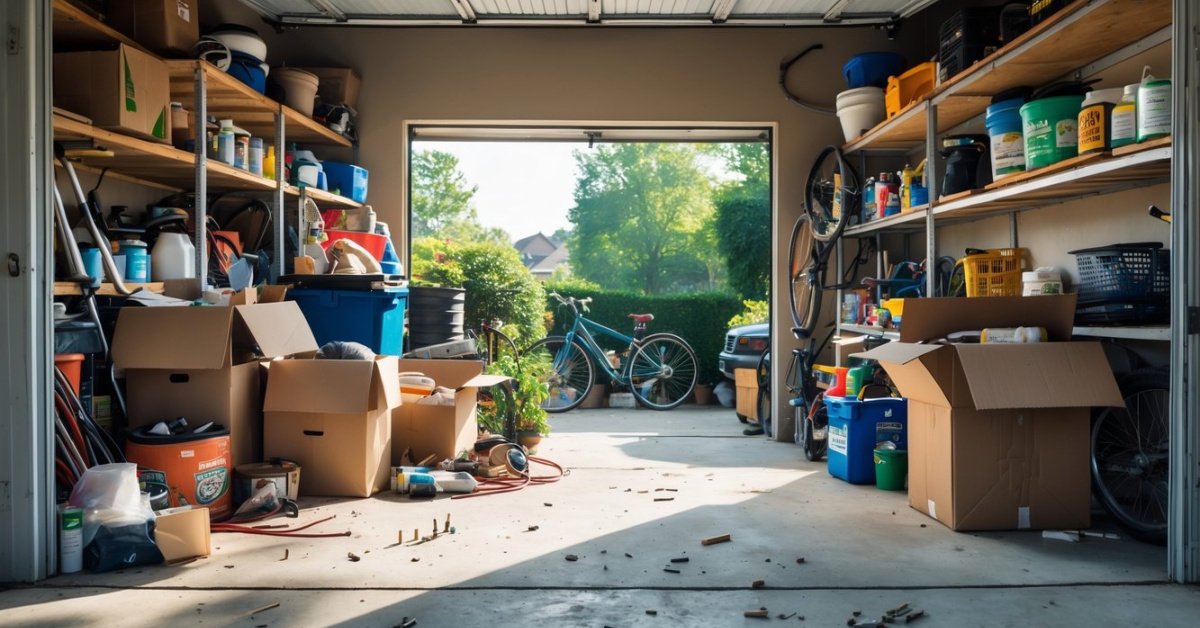
When I step into my garage ready to tackle a new woodworking project I want to find every tool right where I left it. But if you’re anything like me tools can quickly pile up and turn your workspace into a cluttered mess. That’s when having the right storage solutions makes all the difference.
I’ve learned that the best garage storage for woodworking tools isn’t just about shelves or bins—it’s about creating a system that keeps everything organized and easy to reach. Whether you’re a weekend hobbyist or a seasoned woodworker having a tidy garage means you can spend more time building and less time searching. Let’s dive into some of the smartest ways to keep your tools in order and your creativity flowing.
Why Proper Garage Storage Matters for Woodworking Tools
Protected tools last longer and work better, so I always recommend dedicated storage for all woodworking tools—hand saws, chisels, drills, and sanders for example. Isolated shelves, locked cabinets, or dedicated pegboards prevent dust buildup and accidental damage. Preventing rust and corrosion for metal tools becomes simple when they’re off the floor and away from moisture.
Efficient layouts cut down wasted time, so I configure wall racks and drawer organizers based on tool size and frequency of use. Quick access boosts productivity for owners who want their router, clamps, or measuring tapes within arm’s reach. Clutter-free spaces also reduce tripping hazards, which keeps DIYers and families safer while working or walking through the garage.
Clear organization methods like labeling bins or outlining tool shapes on a board make inventory checks and cleanup effortless. I design flexible storage so it adapts as my clients acquire new gear or switch projects. Properly stored equipment means projects get finished on schedule, and the garage remains a versatile space for cars, hobbies, or storage.
Key Features to Consider in Garage Storage Solutions
When I assess garages for woodworking tool storage, I focus on design elements that boost productivity, safety, and usability. Each solution I recommend aims to maximize every inch and keep tools protected for years.
Durability and Material
Durability tops my checklist for garage storage, especially when it comes to woodworking tools that see daily use. I choose stainless steel cabinets, powder-coated shelving, and heavy-duty resin bins for their resistance to rust, dents, and moisture. Solid wood workbenches or hardwood drawer inserts help absorb impact and withstand weight from power tools like table saws or sanders. Weather-resistant coatings further extend lifespan if your garage isn’t climate-controlled.
Space Efficiency and Customization
Space efficiency shapes how I create adaptable work zones for changing project needs. I install wall-mounted pegboards, fold-down tables, and custom shelving to free up floor real estate. Modular storage systems, like adjustable racks or stackable bins, let owners reconfigure layouts to hold anything from clamps to router bits. Vertical storage, such as slatwall panels, makes use of wall height for bulky items and seasonal gear.
Accessibility and Organization
Accessibility and organization define how quickly owners can reach and store essential tools. I recommend labeled drawers, clear plastic containers, and magnetic tool holders for quick identification. Pull-out trays, rolling carts, and swing-out panels bring frequently used tools within arm’s reach, eliminating wasted time searching. Shadow boards, with outlines for each tool, help owners spot missing items at a glance. These features support a clean workflow throughout each woodworking project.
Top Garage Storage Options for Woodworking Tools
I optimize garage spaces to maximize both utility and creativity. Homeowners often find that well-chosen storage unlocks more room for woodworking projects while making every tool easy to find.
Wall-Mounted Storage Systems
Wall-mounted storage clears floor clutter and keeps woodworking tools visible. I install heavy-duty racks and rail systems for long clamps, saws, and extension cords. Compact folding shelves suit smaller items like sanding blocks and glue bottles. Track-based panels adjust to growing tool collections. Vertical mounting uses less space, making these systems efficient for almost any garage.
Cabinets and Drawers
I recommend metal or plywood cabinets with lockable doors for valuable or sharp woodworking tools. Soft-close drawers help prevent tool damage and provide a clean look. Shallow drawers hold squares or chisels, while deep ones accommodate routers or circular saws. Built-in dividers and foam inserts improve organization for sets like drill bits and router bits.
Shelving Units
Open shelving allows quick access to larger woodworking gear, such as benchtop sanders, saws, or lumber offcuts. Adjustable steel or resin shelves offer better capacity than fixed options, especially for bulkier tools. Wall-mounted or freestanding units work well, depending on garage size and workflow patterns. Clear labeling on each shelf promotes tidiness.
Tool Chests and Carts
Mobile tool chests and carts make it easy to transport woodworking hand tools and accessories around the garage. I often use drawer units with ball-bearing slides and sturdy casters to ensure smooth movement. Shallow trays store marking tools or measuring tapes, while deeper drawers fit power tools. Lockable top compartments add security for expensive sets, such as router kits.
Pegboards and Track Systems
Pegboards remain one of my favorite flexible storage systems for woodworking tools. Custom layouts accommodate pliers, wrenches, mallets, or saws. Metal hooks and magnetic strips hold tools securely. Track systems enhance pegboards, supporting heavier items like power sanders and jigsaws. Outlining tools on the board lets homeowners see at a glance what’s missing, streamlining both use and cleanup.
Tips for Maximizing Your Garage Storage
Proper storage unlocks functional space and keeps woodworking projects moving forward. I use systematic grouping and ongoing upkeep to get the most from every garage.
Tool Grouping and Labeling
Strategic grouping puts similar woodworking tools together, improving efficiency during projects. I group hand tools, such as chisels and screwdrivers, in shallow drawers or on pegboards with shape outlines. I keep power tools, for example sanders or drills, together in deeper drawers or stackable bins close to outlets. Clear labeling, using both tags and outlined shadows, helps me and clients return every tool to its exact place. This dual system cuts down on lost time from misplaced equipment and enables quick inventory checks before buying or borrowing replacements.
Regular Maintenance and Cleaning
Consistent cleaning and routine checks gain maximum lifespan from woodworking tools. I schedule monthly inspections to wipe dust from open shelves, lubricate moving parts on carts, and clear floor areas of scrap wood and debris. I set up designated cleaning zones with containers for sawdust collection and bins for scrap sorting. I check fasteners and shelf mounts each season, since securing storage hardware keeps tools safe during daily access. Regular maintenance transforms garage spaces into clean, productive workshops where creative work faces fewer disruptions.
Conclusion
Finding the right garage storage for woodworking tools has made my projects smoother and more enjoyable. With a little planning and the right setup I spend less time hunting for tools and more time creating. A tidy garage not only protects my investments but also inspires me to take on new woodworking challenges.
No matter the size of your space or collection there’s always a solution that fits your needs. Keeping things organized and accessible has truly transformed the way I work and I hope it does the same for you.


