
Whenever I tackle a project in my garage, I always find myself reaching for a ladder. Whether I’m organizing storage bins or fixing a light, that extra height makes all the difference. But I’ve learned the hard way that ladders can be risky if I’m not careful.
A simple slip or wobble can turn a quick task into a painful accident. That’s why I make it a point to follow a few key safety tips every time I use a ladder in my garage. With the right approach, I can get the job done and stay safe at the same time.
Understanding Ladder Safety in the Garage
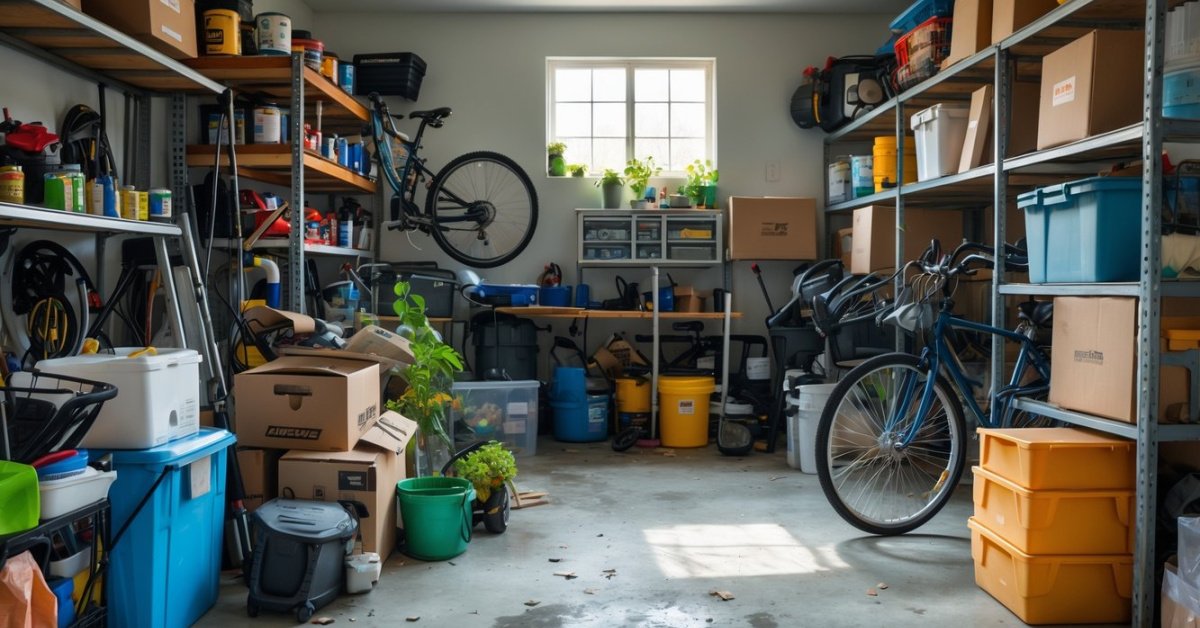
Garage ladder safety depends on recognizing unique hazards, like cluttered floors and overhead obstacles, that don’t exist in open areas. I keep pathways clear and ensure the ladder’s feet rest on a level surface, since unseen cords, boxes, or debris add wobble risk. Most garages include shelving, bikes, or stored items, so I double-check headspace before standing on any rung.
Every time I optimize a garage, I inspect for water spots or oil stains that create slips. I never place ladders too close to open garage doors, since sudden closures or shifting counterweights destabilize setups. For tall projects—like accessing attic storage or mounting overhead racks—I pick a ladder height that keeps me off the top two rungs, according to ANSI and OSHA guidelines.
I use ladders designed for garage jobs, such as fiberglass or aluminum step ladders, for stability around electrical panels. I also avoid using stools or makeshift platforms. Attention to ladder rating matters; garage improvements often involve carrying supplies, so I check both my weight and the weight of equipment. These habits minimize risk, making every garage project safer and more efficient.
Choosing the Right Ladder for Garage Tasks
Garage ladder selection matters when optimizing for both safety and utility. I evaluate ladder features based on task type, garage layout, and overhead storage plans.
Types of Ladders for Garages
Step ladders offer self-support and compact storage for common upgrades like wall-mounted racks or ceiling storage. Extension ladders handle higher reaches, such as accessing attic hatches or upper storage. Multi-position ladders provide flexibility for tight layouts and transforming unused corners into shelving or workspaces. I choose fiberglass for electrical safety near outlets or wiring, while aluminum works for general light maintenance.
Weight Capacity and Height Considerations
Ladder load ratings and reach impact task safety in garage spaces. I check ANSI Type ratings—Type I (250 lbs), Type IA (300 lbs), and Type IAA (375 lbs)—to match project needs, including storage lifts with bins or tools. Estimated ceiling heights and shelving placements, such as 8–12 feet in most garages, guide my choice for ladder length. I ensure total height supports standing comfort without overstretching, referencing ladder charts from manufacturers including Werner and Louisville.
Preparing for Safe Ladder Use
Every garage optimization project needs careful ladder prep. I check every detail, since even a minor safety skip can disrupt an entire conversion or storage install.
Inspecting Your Ladder Before Use
I inspect every ladder before setting it up in a garage workspace. I look for cracks, bent rails, missing feet, loose rungs, or faulty spreaders. I avoid using ladders with visible dents or missing labels listing load ratings. I make sure the locking mechanisms click and hold. This step cuts the risk of a project delay due to an unseen defect.
Clearing the Area and Setting Up Properly
I clear all clutter, tools, storage bins, and extension cords from the ladder’s base. I sweep for sawdust, oil, or debris that could cause slips. I position the ladder so both feet sit flat on level, dry concrete—never covering drains or seams. When optimizing wall storage above head height, I keep the ladder’s path free of open doors and overhead bikes or shelving. If I use an extension ladder to reach attic storage or rafter spaces, I make sure the ladder stands at a 4:1 ratio and extends three feet past the upper surface. I follow these steps to secure a stable, worry-free setup for every project.
Key Ladder Safety Tips for Garage Use
I always keep safety at the center of every garage optimization project. When I move shelving, install bike racks, or access overhead storage, I follow essential ladder safety steps to avoid injury and protect the workspace.
Maintaining Three Points of Contact
I maintain three points of contact—two hands and one foot or two feet and one hand—whenever I’m climbing, descending, or working from a ladder in the garage. This stable contact reduces fall risk compared to standing on tiptoe or leaning, especially around uneven garage floors or cluttered tool zones.
Positioning the Ladder Correctly
I ensure the ladder sits flat on dry, level concrete, checking for oil spots, debris, or cords that might cause shifting. If I use an extension ladder to install overhead racks or reach ceiling storage, I set the feet one foot away for every four feet of height. I avoid leaning the ladder near open garage doors, since wind or movement can destabilize the setup.
Avoiding Common Hazards in the Garage
I always scan for overhead obstructions like exposed beams, stored equipment, or automatic garage door tracks before setting up the ladder. I remove loose items and sweep the area to eliminate small hardware, oil drips, or packing materials that may cause slips. When painting, installing lighting, or handling large bins, I secure tools and materials within reach to minimize the need for risky stretching or overreaching.
Proper Storage and Maintenance of Ladders
Organizing ladder storage in my garage layouts maximizes usable space and prevents trip hazards. I always mount wall hooks or ceiling racks designed for ladders, keeping them off the floor and away from cars or shelving. Vertical wall storage works for step ladders up to 8 feet, while horizontal mounting on ceiling joists secures extension ladders over 10 feet. I ensure storage spots are dry, away from direct sunlight, and out of contact with corrosive chemicals.
Inspecting ladder condition is part of my routine before and after garage projects. I check steps, rails, and locks for cracks, bends, or warped areas. I tighten any loose screws or bolts and lubricate moving parts like hinges on multi-position ladders. I replace broken feet pads and check anti-slip treads for wear, as missing rubber pads or worn treads increase slip risk.
Cleaning ladders helps extend their life when they’re exposed to dust, paint residues, or chemical splashes from garage projects. I wipe down surfaces with a damp cloth, dry each section completely, and remove debris lodged in joints. Avoiding solvents or high-pressure washing preserves labels, weight ratings, and warning stickers essential for safe use.
I maintain a written ladder inventory, logging manufacturer, date of purchase, and inspection findings for each ladder stored in client garages. This record helps track age, warranty coverage, and scheduled maintenance, especially for aluminum and fiberglass ladders used in recurring garage renovation work.
Conclusion
Staying safe while working on garage projects really comes down to a mix of smart planning and good habits. I’ve found that taking just a few extra minutes to check my ladder and keep my workspace clear makes a huge difference.
With the right ladder for the job and a little attention to storage and maintenance, I can tackle any garage task with a lot more confidence. Safe climbing means more time spent enjoying the results—and a lot less time worrying about accidents.


