
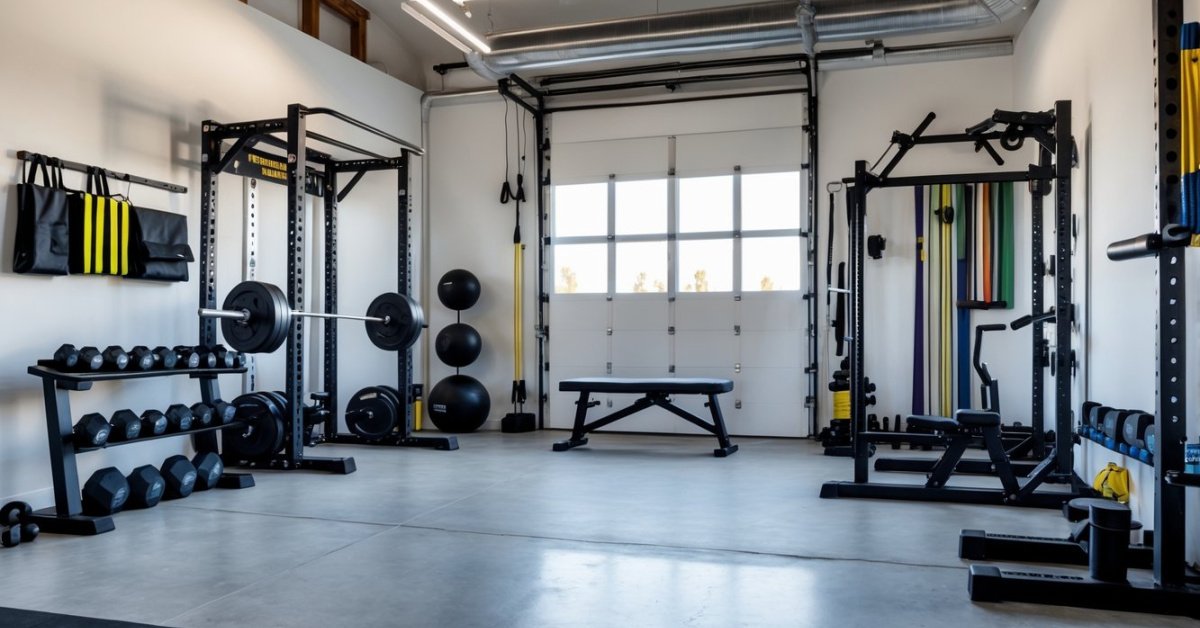
Whenever I walk into my garage, I want everything in its place so I can find what I need without tripping over clutter. Ladders, though essential for home projects, always seem to take up more space than they should. If they’re not stored right, they can quickly turn into a safety hazard or just get in the way.
I’ve learned that storing ladders safely isn’t just about saving space—it’s about keeping my garage organized and my family safe. With a few smart strategies, I can make sure my ladders are out of the way but still easy to grab when I need them. Let me share what’s worked best for me and how you can store your ladders safely in your own garage.
Why Safe Ladder Storage Matters
Safe ladder storage in a garage prevents common hazards like tripping and falling. I see garages every week where ladders block walkways or lean against walls, waiting to cause accidents. When ladders lie unsecured, they create obstacles and raise the risk of someone getting hurt, especially kids or pets moving through the space.
Proper ladder storage also protects ladders from damage. I find that ladders left on the ground develop bent rungs or warped rails, making them unsafe to use. Organizing ladders on racks or hooks keeps them off the floor, preserves their structure, and extends their life.
Maximizing garage space relies on keeping tools and equipment, including ladders, neatly stored. My clients consistently gain more floor area for cars, workbenches, or storage when we move large items like ladders up onto the walls or ceiling. This organization helps homeowners use their garage for multiple activities, from parking to projects, without clutter.
Efficient ladder storage supports quick, easy access to the right size ladder. When I’ve installed designated ladder zones, owners stop wasting time searching and reduce frustration, particularly during urgent tasks. This simple improvement contributes to a smoother workflow for any homeowner.
Assessing Your Garage Space
I start my space optimizations by evaluating the entire garage layout, focusing on walls, ceiling height, door swings, and traffic patterns. Identifying open wall sections, I visualize where tall or long objects like ladders (extension ladders, multipurpose ladders) can fit vertically or horizontally. Doors or windows that open inward affect usable wall space, so I measure around those areas.
Categorizing floor zones helps me keep ladders away from high-traffic walkways and commonly used tool storage. I measure ceiling heights and check for exposed beams, since ceiling-mounted racks or hoists work best when there’s at least 12 inches clearance above the tallest car. I factor in overhead obstructions like garage door rails to determine the exact mounting locations available for suspension systems, hooks, or pulley setups.
Inventorying current storage—shelving, cabinetry, bikes—guides my decisions on relocating items for optimal ladder placement. When garages double as workspaces or hobby zones, I map out zones to avoid blocking task areas. My focus stays on clearing enough wall or ceiling space to hold each ladder, with room for easy access and no blocked exits. This approach preserves family safety while maximizing every cubic foot for greater garage utility.
Choosing the Right Storage Method
Choosing the right storage method transforms garage ladders from clutter into efficient tools. My storage recommendations depend on garage size, ladder type, and how often they’re used.
Wall-Mounted Racks
Wall-mounted racks keep ladders off the floor and clear up valuable ground space. I install heavy-duty metal brackets or specialized ladder hooks directly into wall studs for stability. Double-sided hooks hold extension ladders and step ladders equally well. I recommend placing racks high enough so ladder ends don’t stick into walkways—at least 6 inches above head height in typical single-car garages. When storing multiple ladders, I stagger racks vertically or horizontally to prevent overlap.
Ceiling Hooks and Hoists
Ceiling hooks and hoists maximize overhead space, ideal for garages with tall ceilings and limited wall room. I use rubber-coated J-hooks or pulley-based hoist systems rated for the ladder’s total weight. A ceiling hoist lets me lift a ladder without straining my back, especially with longer extension ladders. I position hooks crosswise on ceiling joists to keep ladders parallel to the garage door, avoiding door tracks and lights. Quick-release hoists add the convenience of taking down or replacing ladders without using a step stool.
Freestanding Ladder Stands
Freestanding ladder stands fit garages where wall or ceiling mounting isn’t possible. I use powder-coated steel stands with wide bases so they won’t tip over when loaded. These stands come with slots or arms for different ladder sizes—step ladders, extension models, or folding ladders. Movable stands let me reconfigure the garage layout if storage needs change, which helps with multifamily homes or rental garages.
By matching the method to the garage’s structure and household needs, I create a safe, organized ladder storage setup that minimizes hazards and clears up space for other projects.
Step-by-Step Guide: Storing Ladders Safely
I focus on maximizing every inch of a garage and prioritize safe, practical ladder storage. Following these steps, homeowners get easy access to ladders and reclaim valuable floor space without sacrificing safety.
Preparing the Ladder
I always inspect ladders for dirt or damage before storage. Dust, mud, and debris attract moisture, which can cause metal to rust or wood to deteriorate. I clean ladder rungs and feet using a damp cloth, drying them thoroughly to prevent corrosion. I check for loose hardware or cracked parts since damaged ladders increase falling risks if left unattended.
Installing Storage Systems
I match the storage system to the garage layout and ladder style. For extension and sectional ladders, I mount heavy-duty wall racks rated for the ladder’s weight, using a stud finder to secure brackets directly into wall studs for maximum stability. I use screw-in ceiling hooks or pulley hoists in garages with high ceilings, making sure to space hooks wider than the ladder’s steps for even support. I anchor freestanding storage units with non-slip feet for step ladders or folding ladders in smaller garages. I avoid placing any system near garage door tracks, electrical panels, or vehicle pathways.
Proper Ladder Placement
I position ladders so nothing obstructs traffic flow or garage exits. I store long ladders horizontally along an unused wall or overhead, leaving at least 6 inches of clearance above and below to prevent contact with other storage items. I store step ladders vertically, with hinged joints locked and rungs facing outward for quick inspection. I mark designated ladder zones with tape or paint, which helps keep pathways clear and organizes the overall garage layout for every user.
Maintenance and Safety Tips
Inspecting Ladders Regularly
I check ladders for cracks, loose hardware, and worn feet before and after storage. Damaged ladders, such as those with bent rails or split rungs, go out of my garage immediately.
Cleaning for Longevity
I wipe ladders with a damp cloth and mild soap to prevent grime buildup. For extension ladders, especially aluminum ones, I look for oxidation or sticky residues on slide sections.
Securing Ladder Storage Systems
I tighten wall hooks, racks, or mounts every quarter. Lag screws and anchors must remain flush against wall studs to prevent sudden releases that could cause injury or dent vehicles.
Maintaining Clear Pathways
I mark ladder storage areas with floor tape or labels. When new tools or bins enter my garage, I double-check that nothing hangs into walkways or emergency exits.
Rotating Ladder Position
I rotate stored ladders every few months to prevent flat spots on rubber feet and corrosion on metal hinges, especially for those kept in humid garages.
Following Manufacturer Safety Labels
I keep ladder safety manuals taped to garage walls for quick reference. When users in my home borrow a ladder, I point them to these guidelines and remind them to use locking mechanisms every time.
Storing Accessories Properly
I hang ladder stabilizers, trays, and safety rails on adjacent racks, never stacked on top of ladders. Grouping these accessories keeps them accessible and prevents accidental drops while retrieving ladders.
Checking for Pests
I check behind and inside stored ladders for insects or rodent nests, particularly in rarely accessed areas. Foam gaps and sealed bins help deter infestations that could damage ladder material or compromise safety.
Common Mistakes to Avoid
Ignoring Garage Traffic Paths
Misplacing ladders disrupts movement. Blocking doorways, workbenches, or main walkways with ladders risks trips or workflow delays.
Storing Ladders on the Floor
Leaving ladders on the floor eats up valuable garage space and invites dust, moisture, or pest damage. Placing ladders on the ground near heavy traffic zones increases the risk of accidental injury.
Using Insufficient Supports
Securing ladders with flimsy hooks, light-duty wall brackets, or unstable shelves results in falls or equipment failure. Supporting heavy extension ladders with inadequate mounts or generic plastic brackets often leads to breakage or collapse.
Placing Ladders Over Vehicles or Shelving
Hanging or stacking ladders directly above cars, motorcycles, or loaded shelves increases damage risk if a ladder slips. Accessing these ladders can also be tough and makes routine retrieval dangerous.
Ignoring Ladder Weight and Length
Disregarding ladder specs when choosing a storage method strains mounts or racks. Hanging oversized ladders on racks designed for small step ladders stresses hardware and damages walls.
Forgetting to Separate Accessories
Storing paint cans, cords, or tools directly on or inside ladders invites spills, snags, and accidents. Keeping attachments and accessories in separate bins prevents falling objects and keeps the area neat.
Neglecting Regular Condition Checks
Skipping inspections for rust, cracks, or loose bolts shortens ladder life and increases hazard risk. Ignoring routine storage system checks can cause sudden ladder falls.
Blocking Emergency Exits
Placing ladders across garage doorways, window exits, or utility panels increases evacuation risks in emergencies. Checking clearance around exits prevents costly mistakes.
Conclusion
Creating a safe and organized garage really comes down to thoughtful storage choices and a bit of regular upkeep. When I take the time to store my ladders properly I notice how much smoother my projects go and how much safer my garage feels for everyone.
It’s always worth a little extra effort to keep ladders protected and out of the way. I find that a tidy garage not only saves me time but also gives me peace of mind knowing my family and tools are safe.


