
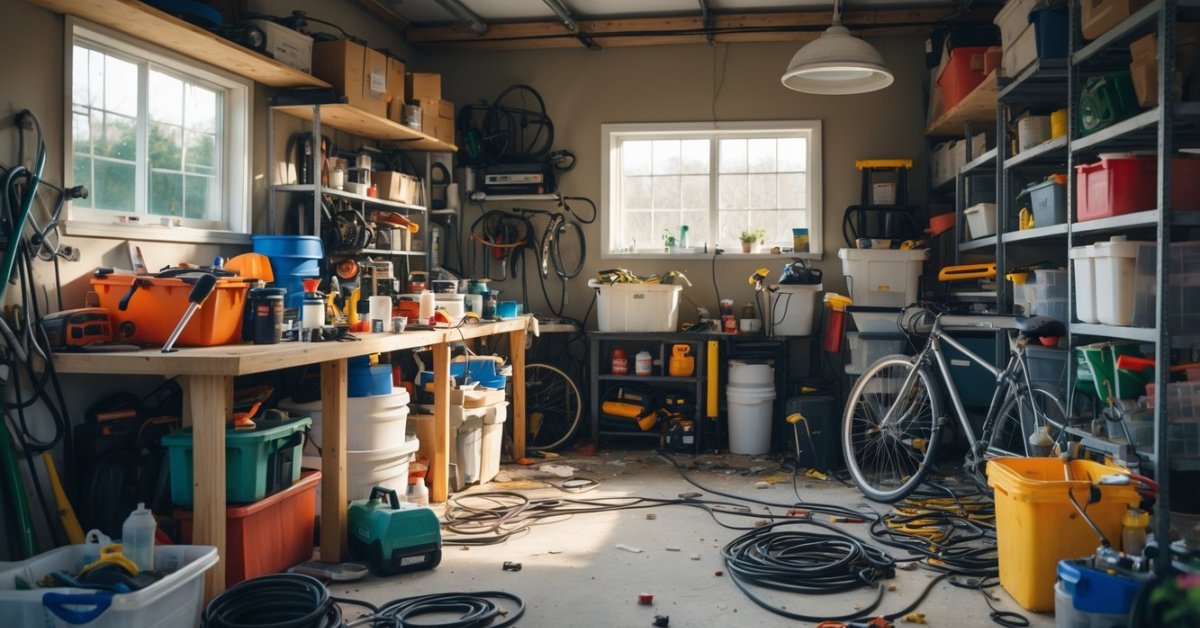
I’ve always dreamed of having a space where I can dive into projects without clearing off the kitchen table or searching for lost tools. Setting up a dedicated DIY station in the garage changed everything for me. Suddenly I had a spot where creativity and organization could go hand in hand.
A garage DIY station isn’t just about having a workbench and a few tools. It’s about carving out a corner that feels like my own personal workshop—where inspiration strikes and every project has its place. If you’ve ever wished for a spot to tinker, build or repair, you’re in the right place.
Benefits Of Creating A Dedicated DIY Station In Your Garage
Enhanced Garage Organization
I keep every tool and material in its own spot, from power drills to paintbrushes. This setup reduces clutter and saves time searching for supplies. Pegboards, labeled bins, and shelving keep everything visible and accessible.
Increased Project Efficiency
I work faster and more accurately with a dedicated workspace. Benches, task lighting, and clear work surfaces help me move smoothly from one step to the next on woodworking, repair, or crafting projects.
Improved Garage Safety
I ensure sharp tools, chemicals, and cords have their own proper storage. Dedicated zones minimize accidents and prevent tripping hazards in busy garages.
Better Space Utilization
I maximize garage potential by using vertical storage, fold-down tables, and mobile carts. Clients often discover they’ve doubled available room by reorganizing for their DIY station.
Boosted Creativity And Motivation
I notice inspiration strikes more in organized, functional spaces. When everything’s within reach and in order, it’s easier to start and finish new projects without frustration.
Increased Home Value
I add market appeal by customizing garages for purposeful DIY use. Listings with functional workspaces tend to attract buyers seeking flexible, well-planned homes (National Association of Realtors, 2022).
Planning Your DIY Station Space
A well-planned garage layout directs every DIY project toward success. I always map out space before bringing in tools or storage systems.
Assessing Your Garage Layout
I measure the entire garage first, marking core features like door swing areas, wall studs, outlets, and lighting fixtures. Doors, windows, and water heaters create natural boundaries—I mark those directly on a layout sketch. Empty wall sections give me prime real estate for wall-mounted tool racks, pegboards, or cabinets. Overhead space above the vehicle bay often goes unused—I recommend noting ceiling height to add sturdy shelving or hooks for lesser-used items. Traffic flow matters, so I note car parking paths, foot paths to inside doors, and obstacle areas like steps or pillars. Taking photos of each wall helps me visualize future upgrades.
Defining Your Project Goals
I tailor every DIY station to clients’ hobbies and needs. Power tool enthusiasts often need deep countertops, heavy-duty outlets, and dust extraction setups. Crafters or electronics tinkerers benefit from adjustable shelves, bright task lighting, and bins for small parts. Woodworkers require clamp zones, bench vises, and bulk lumber storage. I always ask about frequent projects—for instance, auto repair fans might need a rolling tool chest and oil-resistant flooring. Storage for paint, glues, or spray cans informs chemical-safe cabinetry recommendations. Setting these goals sharply steers every design choice and ensures long-term station satisfaction.
Essential Tools And Equipment
Outfitting a garage DIY station with the right tools and accessories maximizes efficiency and unlocks creative possibilities. I always start by recommending a core set of versatile power tools and modular organizing solutions.
Must-Have Power Tools
Equipping a DIY garage station with essential power tools streamlines nearly every project. I include a cordless drill/driver for building and repairs, a circular saw for making straight lumber cuts, and a jigsaw for intricate shapes. Orbital sanders help finish wood for painting or staining. A combination miter saw delivers accurate angled cuts, which projects like trim work or framing require. I add a shop vac for cleanup and dust collection to keep the station safe and tidy. Every tool gets mounted on a wall or bench to minimize clutter and shorten setup time.
| Power Tool | Example Uses |
|---|---|
| Cordless drill/driver | Shelves, assembling kits |
| Circular saw | Cutting plywood, framing |
| Jigsaw | Cutting curves, patterns |
| Orbital sander | Smoothing surfaces |
| Miter saw | Precision cuts, angles |
| Shop vac | Dust, debris cleanup |
Handy Organizing Accessories
Installing robust organizing accessories keeps every tool accessible and the garage uncluttered. I start with wall-mounted pegboards for hanging handheld tools like pliers, wrenches, and screwdrivers. Magnetic strips store metal tools such as chisels and utility knives above the workbench. Modular shelving holds bins with fasteners and frequently used supplies. Rolling tool chests let me move a full set of tools right to any work area, while stackable bins organize smaller components—bolts, washers, and nails—for quick visual inventory. I reserve labeled clear containers for specialty items, which clients find especially helpful when working on multiple projects at once.
By integrating these power tools and organizing solutions, I transform garage DIY stations into highly functional, sustainable workspaces tailored to every owner’s passion and workflow.
Storage Solutions For A Clutter-Free Station
Every DIY garage station I create stays organized and easy to use by focusing on storage that maximizes every inch. Strategic choices help owners avoid clutter so they can keep their creativity flowing.
Wall-Mounted Options
Wall-mounted storage clears floor space, making a garage station efficient and safe. I install heavy-duty pegboards for hand tools, hang bins for screws and nails, and add wall-mounted racks for longer items like levels or clamps. Magnetic strips on walls hold metal tools, reducing drawer clutter. Overhead shelves use the space above head height for infrequently used items, like seasonal supplies or project wood. By combining these solutions, I open up central workspace while keeping tools visible and handy.
Mobile Storage Units
Mobile storage units provide flexibility for dynamic DIY stations. I often use rolling tool chests with deep, divided drawers for power tools, and wheeled carts with adjustable shelves for bulkier items like paint cans or toolboxes. Modular drawer towers make organizing specialty hardware or fasteners simple. Lockable casters keep storage stable during use. When owners can easily move and rearrange storage based on the current project, their garage becomes far more versatile—ideal for families or anyone with multiple ongoing hobbies.
Safety Tips For Your DIY Garage Station
Prioritize clear walkways in your DIY garage station since tripping hazards limit productivity. Space between benches, carts, and storage racks simplifies movement when I plan layouts for clients.
Separate sharp and hazardous tools from general supplies behind latching cabinets or on high shelves. Chemical and paint cans stay in ventilated, childproof zones so I minimize exposure risks.
Install fire safety gear in every finished garage zone. Smoke alarms near the workbench, a multi-class fire extinguisher by the door, and a visible emergency exit map provide fast action in emergencies.
Check that every tool plug, extension cord, and outlet meets current electrical code. I ground benches and outlets in high-usage stations since overloaded circuits or exposed wires increase shock risks.
Add bright, focused task lighting to work areas, using shatterproof LED fixtures above benches and battery lanterns near storage. Shadows make detail work or sharp tools riskier, so I prioritize direct light.
Ventilation matters with paint, solvents, or wood dust. Box fans in windows, vented dust collectors, and open doors limit fumes and keep air quality healthy when multiple projects run at once.
Wear proper safety equipment for every task in the garage. I always keep ANSI-rated safety glasses, NIOSH dust masks, and hearing protection within reach of my busiest stations.
Share safety rules with everyone who uses the space. I post quick visual reminders about PPE, hazardous areas, and safe shut-downs since multiple users or visiting kids can forget best practices.
Personalizing Your DIY Workspace
Customizing the workspace in your garage helps align it with your daily workflow, tools, and design style. I recommend starting with a dedicated color palette and material selection that coordinates with your home’s overall look—examples include painted pegboards in accent colors, butcher block countertops, or stainless steel tool benches. Durable finishes like epoxy flooring and powder-coated shelves protect surfaces and add visual appeal.
Display inspiration boosts creativity, so I often install cork boards, whiteboards, or open shelving for project plans, reference books, and personal mementos. Labeling all storage and display zones using large, legible tags helps other garage users find gear quickly.
Lighting upgrades support DIY focus and safety. I mount targeted LED track fixtures, workbench lamps, and under-shelf lights to ensure every task area has clear, adjustable illumination. Integrated outlets and USB chargers built into workbenches ensure tools and devices stay powered without cluttering surfaces with loose wires.
Ergonomic tweaks prevent fatigue. I set benchtop heights to match each owner’s build and preferred posture. Comfortable, height-adjustable stools and antifatigue mats support longer working sessions.
Zone separation keeps projects organized. I designate distinct stations using tape floor markers or modular room screens for woodworking, painting, and repairs, if several activities compete for space.
Personal touches finalize the transformation. Owners often select custom tool racks, magnetic organizers with branded engraving, or display cases for past projects. Plants and framed art inject personality, making the zone welcoming and motivating.
Every garage I optimize reflects its owner’s unique habits and DIY ambitions while maximizing order and inspiration.
Conclusion
Building my own DIY station in the garage has truly changed the way I approach every project. I love having a space that reflects my workflow and style while keeping everything safe and organized. The best part is how much more motivated and creative I feel every time I step into my garage.
If you’re thinking about setting up your own DIY station don’t be afraid to make it your own. With a bit of planning and some thoughtful choices you can turn any garage into a space that inspires and supports every project you take on.


