
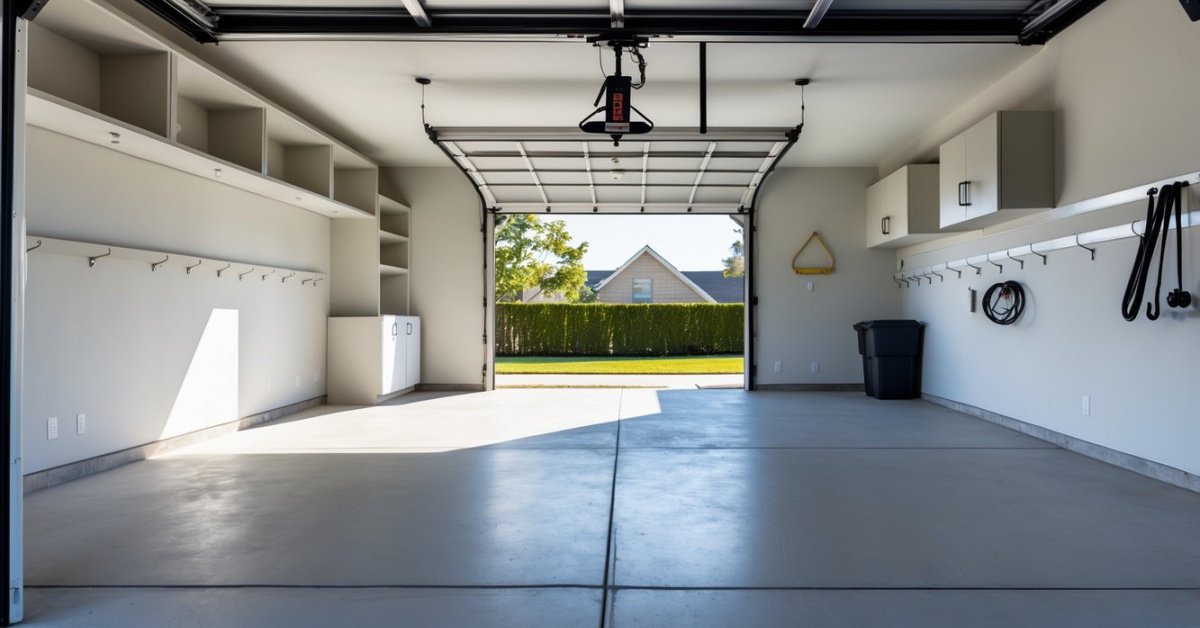
Every time I step into my garage I realize just how much difference a well-organized space can make. Sturdy shelves turn clutter into order and make it easy to find what I need when I need it. But getting those shelves up the right way is key—no one wants a wobbly setup or a shelf that gives out under pressure.
I’ve learned that a little planning goes a long way when it comes to garage shelf installation. Whether I’m storing heavy tools or just clearing floor space for the car the right approach keeps everything safe and tidy. Let me share some best practices that have made my garage both functional and stress-free.
Understanding Garage Shelf Installation
I approach every garage shelf installation by focusing on efficiency and safety. Knowing the different types of shelf systems matters because fixed wall-mounted shelves, freestanding units and ceiling racks each solve different storage needs. Examples include heavy-duty wall shelves for tools or adjustable metal racks for sporting gear.
Shelving strength depends on weight capacity and correct mounting technique. I always check manufacturer ratings—heavy-duty steel shelves hold up to 350 lbs per section, while lighter wire options top out at 100 lbs. Consistent wall stud anchoring supports these weight limits.
Choosing quality materials prevents future issues. I recommend powder-coated steel, solid wood or high-grade composite, since thinner particle board often sags under moderate weight. For humid garages, I install galvanized or stainless hardware to resist rusting.
Proper dimensions align shelves with garage space and item sizes. Shelf depths of 16 to 24 inches fit bins, boxes and household items. Keeping at least 16 inches of clearance above each shelf lets users access stored tools or seasonal gear without hassle.
Positioning shelves at strategic heights creates optimal storage flow. I mount commonly used items between waist and eye level, placing rarely used gear up high or down low. This lets owners reach what they use most while maximizing every vertical inch of their garage.
Accurate measurement and planning delivers tidy, functional results. I map out every project on graph paper or with 3D garage planning apps, marking outlet locations, switches, doors and windows to avoid installation conflicts. This systematic approach eliminates clutter and creates a better-organized, more useful garage.
Planning Your Garage Shelving Project
My garage shelving projects always start with a clear plan. I combine precision and creative problem-solving to get the most usable space from every garage, customizing for my clients’ specific needs.
Assessing Your Storage Needs
I first analyze the types and quantities of items my client wants to store, such as power tools, bins, sports gear, or seasonal decorations. I sort these items by weight and frequency of use. I measure available floor and wall space, noting any obstructions like water heaters or door swings. I document preferred access points so frequently used gear goes within easy reach. This step’s critical—a mismatched shelf plan wastes valuable garage square footage and creates frustration.
Choosing the Right Shelf Type and Materials
I select shelf systems based on the storage categories and space constraints from my assessment. For heavy items like toolboxes or car parts, I recommend powder-coated steel shelves or industrial-grade wire racks that support 200–800 lbs per shelf (Home Depot). For lighter items such as decor bins or camping gear, solid wood or heavy-duty plastic shelving holds up well. I use wall-mounted shelves for open floor areas and opt for freestanding units in flexible layouts. Overhead racks maximize vertical space for infrequently used items, keeping seasonal gear out of the way. I always factor in moisture resistance and easy cleaning—garages demand durable materials to stay tidy and efficient long-term.
Preparing the Space for Installation
I always start every garage shelf installation by setting up a clean and accurate workspace. A prepared area speeds up the process and guarantees safety and precision at every step.
Measuring and Marking for Accuracy
Precise measuring and marking form the foundation of shelf installation in any garage. I use a reliable tape measure and a level to measure both the length and height of each wall section reserved for shelves. I check for clearance above, below, and beside each marked area, considering door swings, electrical outlets, and windows. I mark the studs on the wall since attaching shelves directly to studs increases weight support—my stud finder makes this fast and accurate. I always double-check measurements and markings with a pencil before drilling, especially near corners and edges where errors are common.
Clearing and Cleaning the Installation Area
Clearing and cleaning the garage area ensures shelves mount safely and securely. I move all boxes, bins, and equipment away from the workspace to create an open path for tools and stable footing. I sweep or vacuum the zone to remove dust, debris, or loose fasteners, as these can cause instability during and after installation. I wipe down the wall surfaces to remove grease or spiderwebs, paying special attention to high-traffic areas where grime can prevent secure shelf mounting. A tidy work area lets me spot hidden issues like cracks, moisture, or mold before I begin drilling or anchoring shelves.
Step-By-Step Garage Shelf Installation Tips
Every garage transformation project benefits from secure, precisely installed shelves. For homeowners aiming to maximize utility and safety, correct technique and equipment matter at each step.
Securing Shelves to Studs
Attaching shelves directly to wall studs creates a stable foundation. I always use a stud finder to mark each stud along the intended shelf line, as drywall alone doesn’t support heavy weight. After marking, I pre-drill pilot holes into the studs before fastening brackets with 3-inch wood screws or heavy-duty lag bolts. For freestanding units, I anchor the uprights to studs using specialized brackets to prevent tipping. Securing into solid wood or engineered studs remains essential for supporting tools, bins, and bulky items such as power tool cases or storage totes.
Ensuring Level and Even Placement
Precise shelf alignment enables both function and aesthetics. I start by marking shelf heights on the wall, using a laser level or a long carpenter’s level for accuracy between support points. Level lines provide a reference when mounting each bracket or wall cleat. I double-check levelness before tightening any fasteners, since even slight tilts lead to sliding bins and uneven stacking. For units with multiple shelves, I measure vertical spacing with a tape measure to ensure consistent gaps, making it easier to store coolers, small appliances, or sporting gear in an orderly and accessible way.
Using the Appropriate Tools and Hardware
Using professional-grade tools and hardware guarantees safety and a long-lasting result. In installations, I rely on a cordless drill, impact driver, stud finder, laser level, and a quality tape measure. For wall-mounted shelves, I select powder-coated steel brackets rated by load (e.g., 250-lb capacity per bracket) and rust-resistant screws or lag bolts. When fastening into masonry, I use concrete anchors instead of standard wall plugs. For wood shelves, I pick hardwood plywood or solid planks, securing them with countersunk wood screws to avoid splitting. By recommending the correct tools—like hex drivers for lag bolts or masonry bits for brick walls—I make sure every step follows best practices for a customized, high-performance garage storage solution.
Safety Considerations for Shelf Installation
Safety shapes every successful garage shelf installation project I take on. Mistakes in safety can turn handy storage into a hazard, so I always address these principles upfront.
Weight Limits and Load Distribution
Weight capacity and even load distribution affect every garage shelf design I recommend. Every manufacturer rates shelves for specific static loads, like 200 lbs, 500 lbs, or more—so I always check these numbers in the product specs. I never stack heavier items above lighter ones and always spread toolboxes, paint cans, and bins out across the strongest points—usually brackets or where the shelf meets studs. Overloading causes sagging or collapse, especially with particleboard or wire shelves. For heavy-duty projects, I advise powder-coated steel or reinforced wood shelves anchored directly into wall studs to handle demanding loads safely.
Personal Protective Equipment
Personal protective equipment keeps every installation safe from minor and major hazards. I always wear durable work gloves when handling metal shelving or brackets to avoid cuts. Safety glasses protect me from splinters or flying debris during drilling, especially when using power tools. For overhead installations or when using strong adhesives or sealants, I use a dust mask or respirator to limit dust and fumes. Proper closed-toe shoes prevent injuries from dropped fasteners or tools, so I keep them on throughout the job. These simple steps reduce accidents and keep the installation process comfortable and secure.
Maintenance and Organization Tips
Smart maintenance and thoughtful organization extend the life of garage shelves and boost storage efficiency. When I check on garage projects I’ve completed, these habits help owners keep their spaces functional and clutter-free.
Regular Inspections and Adjustments
Frequent inspection ensures garage shelving remains sturdy and safe. Every 3-6 months, I check for loose fasteners, sagging shelves, and hardware corrosion. For example, powder-coated steel brackets sometimes show minor rust spots in damp climates, so wiping them and resealing helps. I tighten all bolts and relevel shelves using a laser level if I notice tilt or imbalance. If storage needs change, I adjust shelf height or spacing to accommodate larger bins or new items.
Maximizing Shelf Utility
Maximizing shelf utility optimizes every inch of garage space. I group items by category—power tools, sports equipment, and seasonal décor—placing the most frequently used bins at chest height for quick access. I add clear labels to the front of boxes or bins using waterproof label makers, which makes grabbing items fast. For small and loose items, I use clear stackable containers to keep nails, screws, or bike parts visible and contained. I recommend leaving at least 12 inches of space above the top shelf for bulky or odd-shaped storage, like camping gear. For clients who’ve outgrown their shelf system, I install additional vertical dividers or pull-out trays to customize sections. These tweaks help owners keep their garages neat and easy to navigate without needing major new installations.
Conclusion
Taking the time to plan and install garage shelves the right way makes a huge difference in how your space feels and functions. I’ve found that a little extra effort upfront pays off for years with easier access to tools and a clutter-free floor.
With the right approach and a focus on safety and durability your garage can become a space that actually works for you. I hope these best practices help you create a setup that’s both practical and easy to maintain. Happy organizing!


