
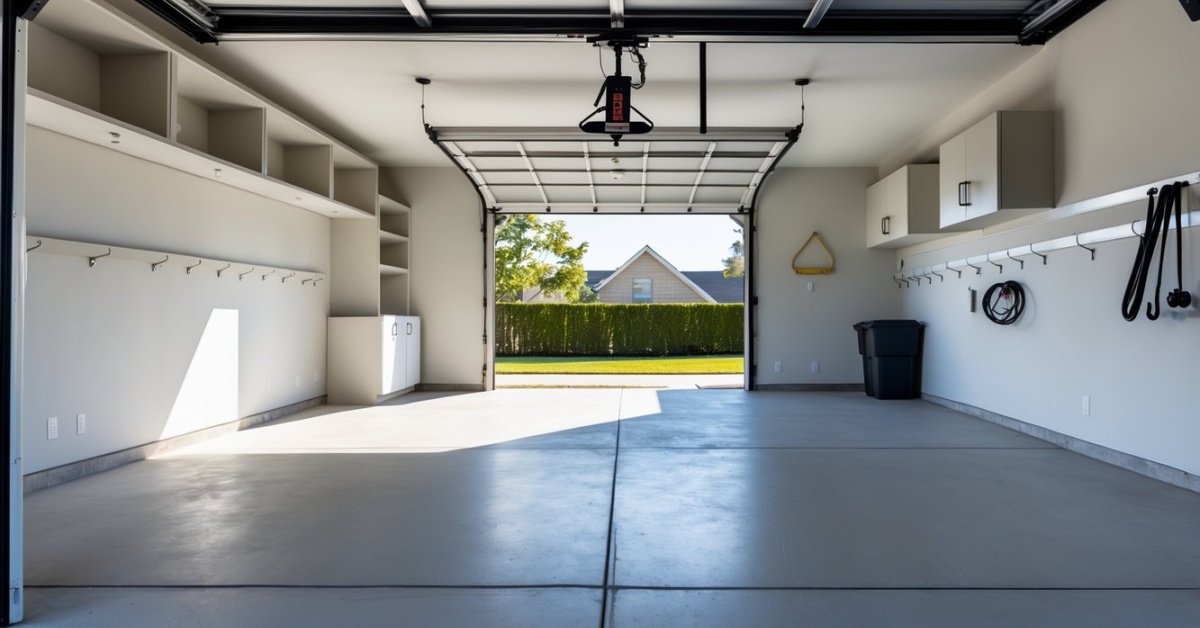
Every time I open my garage door I’m reminded how easy it is for things to pile up. Sports gear old tools and boxes of who-knows-what seem to multiply overnight. If you’re anything like me you know how quickly a garage can turn into a catch-all for stuff that doesn’t have a home.
Keeping a garage clutter-free isn’t just about having more space—it makes life easier and helps me find what I need in a pinch. I’ve learned that with a few simple habits it’s totally possible to keep chaos at bay and enjoy a garage that actually works for me.
Why a Clutter-Free Garage Matters
Maximizing garage space increases usable square footage for projects, vehicle storage, and household overflow. When I optimize a garage, I see that organized surfaces allow owners to reclaim space for workbenches, home gyms, or even compact living areas.
Reducing clutter cuts down safety risks. Clients with tidy garages experience fewer tripping hazards from scattered tools or boxes, which the U.S. Consumer Product Safety Commission links to thousands of annual injuries.
Protecting investments in tools and equipment matters. Dust and moisture build up on crowded floors, but organized shelves and cabinets shield items like power drills, bikes, and seasonal decorations.
Simplifying daily routines saves time. When I streamline storage with labeled bins or wall-mounted racks, owners locate and return items like extension cords, paint cans, and holiday lights in seconds.
Raising property value appeals to many homeowners. Real estate professionals note that homes with neat, functional garages typically attract more buyers and can command higher listing prices.
Essential Steps to Organize Your Garage
Efficient garage organization starts with practical steps, not just good intentions. My top strategies combine decluttering, focused storage, and clear activity zones to transform any garage into a streamlined space.
Decluttering and Sorting
Systematic decluttering unlocks usable garage space. I first clear everything out and group similar items—examples include gardening tools, sports equipment, and automotive supplies. I then assess each category, recycling, donating, or discarding duplicates or broken items based on condition and frequency of use. This approach helps me recognize which items deserve accessible placement, laying the groundwork for functional storage.
Efficient Storage Solutions
Custom storage maximizes vertical and horizontal areas. I install shelving for clear plastic bins, wall-mounted racks for tools, and overhead systems for seldom-used gear like holiday decorations or camping equipment. I use labeled containers and drawer organizers for parts, fasteners, and small hardware. Pegboards offer quick access to hand tools and flexible configurations if needs change. I include lockable cabinets for chemicals and valuable power tools, securing hazardous or high-value items.
Creating Zones for Functionality
Functional zoning tailors the garage to unique household needs. I map zones—for instance, separate workbenches, household overflow, sports gear, and vehicle storage—based on homeowner preferences. I keep high-demand items (like kids’ bikes or cleaning supplies) near the garage entrance for easy grab-and-go, while storing bulky or occasional-use items (like seasonal decorations) further back or overhead. Clear boundaries, defined through floor markings or modular dividers, minimize cross-contamination and help everyone maintain the system.
Tips for Maintaining a Clutter-Free Garage Long-Term
Consistent habits keep garages organized and easily usable for projects and storage. I’ve found that applying a few simple routines makes a long-term difference in maintaining a clutter-free space.
Regular Cleaning Routines
Scheduled cleanings are essential for preserving garage order throughout the year. I set aside 10–15 minutes every week to sweep floors, wipe surfaces, and remove debris from corners. Seasonal deep cleans in spring and fall let me check for damage, reorganize zones, and toss unneeded items. Targeted quarterly inspections for pests or moisture prevent issues that can cause clutter. Keeping a regular cleaning checklist on the back of the garage door reminds everyone to stick to the plan.
Smart Organization Habits
Purposeful organizing prevents clutter from returning. I return every item to its assigned spot after each use—this includes hanging bikes on wall racks and sliding bins onto shelves. Labeling bins and drawers with printed tags speeds up retrieval and keeps similar items grouped. I use a “one in, one out” rule for seasonal gear and tools, minimizing overflow. Quick monthly check-ins with household members help identify stray items and ensure zones remain functional. Consistent use of modular storage solutions—like adjustable shelving and pegboards—lets me adapt the space as my needs change.
Common Mistakes to Avoid
Ignoring Routine Sorting
I see garages fall into disorder when owners skip regular cleanouts. Items like old paint cans, broken tools, and unused gadgets often pile up if sorting isn’t scheduled every season.
Underestimating Vertical Space
Many clients forget to use vertical space for overhead racks, shelves, and hooks. Wall-mounted systems double storage options and keep floors clear for vehicles and project zones.
Relying on Random Containers
I notice trouble when homeowners use mismatched boxes and bins without labeling. Uniform, clear containers—each with a label—help everyone find what they need in seconds.
Storing Hazardous Items Improperly
Some garages contain chemicals, fuels, or sharp tools without secure cabinets or child-safe locks. Proper hazardous storage protects families while keeping the garage functional.
Neglecting Zone Design
Garages lose flexibility when tools, sports supplies, and household overflow aren’t separated into clear zones. Finished garages with defined work, storage, and recreation areas stay organized longer.
Overcrowding with Rarely Used Items
Garages regularly fill up with rarely touched seasonal décor, duplicate tools, or expired supplies. Purging these items creates space for everyday use and new projects.
Conclusion
Keeping my garage clutter-free has made a huge difference in how I use the space and how I feel about my home. It’s amazing how much easier it is to find what I need and keep things running smoothly when everything has its place.
I’ve found that staying consistent with small habits really pays off over time. A little effort each week goes a long way toward keeping chaos at bay. With the right systems in place my garage feels more like an extension of my home rather than a forgotten storage zone.


